If you notice more hair strands in your shower drain or on your pillow when autumn arrives, you are experiencing seasonal hair shedding. This natural phenomenon affects millions of people worldwide, particularly during the fall months of September and October.
Research published in dermatology journals confirms that women lose more hair during late summer through fall compared to other times of the year. The good news is that seasonal hair loss is usually temporary and follows your hair’s natural growth cycle.
Why Does Hair Fall Out More in Fall?
Your hair grows in four distinct phases, and seasonal hair shedding occurs when more follicles than usual enter the resting and shedding phases simultaneously. During summer, many hair follicles remain in the active growth phase to protect your scalp from intense sun exposure.
By late summer, these follicles transition into the telogen or resting phase. Approximately two to three months later, which coincides with fall, these hairs shed all at once. Additional factors contributing to seasonal hair shedding include cumulative sun damage from summer months, chlorine, and saltwater exposure. All these factors weaken hair strands, while reduced daylight hours affect hormonal balance and post-summer stress from returning to work or school routines.
Is Seasonal Hair Loss Normal or Should You Worry?
Some people who notice extra strands on their brush ask: is seasonal hair loss normal?
The answer is yes, seasonal hair shedding is completely normal and typically lasts two to three months. Most people shed between 50 and 100 hairs daily under normal circumstances, but this number increases during the fall.
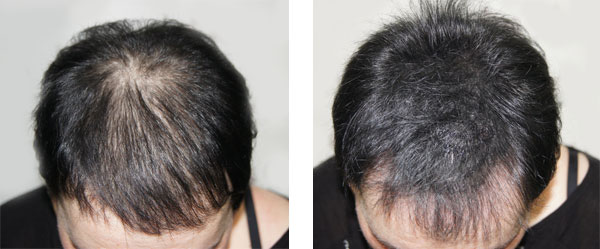
However, you should pay attention if the shedding continues beyond several months, you notice visible thinning or bald patches, or the hair loss pattern seems uneven. These signs may indicate something more serious than seasonal hair shedding, such as androgenetic alopecia or other medical conditions requiring professional evaluation.
How Long Does Seasonal Hair Shedding Last?
Seasonal hair shedding generally lasts from a few weeks to approximately three months. The timeline connects directly to your hair growth cycle, where follicles that entered the resting phase in July begin shedding by October or November.
Will my hair grow back after seasonal shedding is another common concern.
In most cases, your hair will regrow naturally as part of the normal cycle. New healthy strands replace the shed hairs by mid-winter or early spring, restoring your hair’s fullness.
Minimizing Seasonal Hair Shedding Through Care
While you cannot completely stop seasonal hair shedding, you can support your hair during this phase. Maintain a balanced diet rich in protein, iron, vitamins A and D, and zinc to nourish hair follicles. Avoid harsh heat styling, tight hairstyles, and chemical treatments that stress already vulnerable hair.
Keep your scalp clean, moisturized, and protected from environmental damage. Manage both physical and emotional stress, as stress pushes more hair into premature shedding phases. Use gentle hair care products designed for thinning or shedding scalps.
When Natural Remedies Are Not Enough
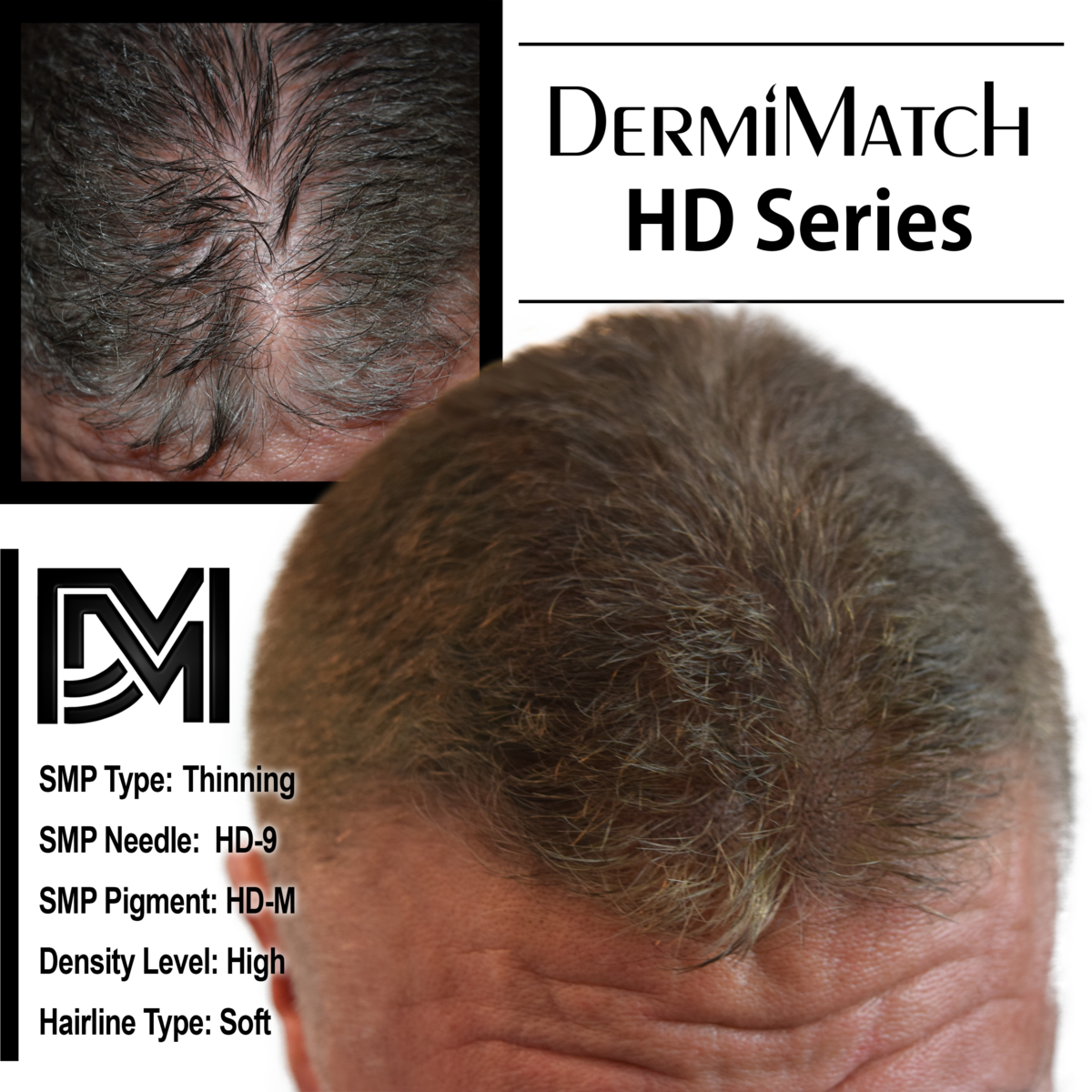
If your seasonal hair shedding fails to resolve or hair density remains noticeably reduced after several months, you may need to explore additional solutions. This is where scalp micropigmentation helps.
Scalp micropigmentation or SMP offers a proven cosmetic solution by depositing specialized pigment into the scalp to replicate the appearance of natural hair follicles. Unlike treatments that attempt to regrow hair, SMP creates immediate optical density and visual improvement while your natural hair cycle continues. The procedure works exceptionally well for people whose hair has not bounced back from seasonal shedding or those experiencing ongoing thinning.
Choosing the Right SMP Artist Matters
As scalp micropigmentation gains popularity, many practitioners now offer this service, including traditional tattoo artists branching into SMP work. However, scalp micropigmentation is fundamentally different from body tattooing.
The technique requires specialized training in hairline design, understanding of hair loss patterns, proper pigment selection, and correct application depth. When selecting an Arizona SMP provider, insist on viewing before-and-after portfolios from clients with similar hair loss patterns.
Verify that they use medical-grade pigments and maintain proper sanitation standards. Confirm they provide thorough consultations covering your hair history and realistic expectations. Never settle for someone who treats SMP as a side service. Your scalp deserves a dedicated specialist who understands that creating natural-looking hair density requires expertise that goes far beyond standard tattooing skills. With the right SMP Arizona artist, seasonal hair shedding anxiety transforms into confidence with a fuller-looking head of hair.
Book your Arizona scalp micropigmentation consultation with DermiMatch Clinic’s scalp experts.