
Is baldness hereditary? This question tops search engines when people notice thinning hair. Genetics does play a major role in hair loss, but it tells only a part of the story. Many assume they inherited baldness from family members, yet science reveals hair loss develops from multiple causes beyond DNA. Stress, hormonal shifts, nutritional deficiencies, medications, autoimmune disorders, and lifestyle choices impact when and how hair falls out.
The complexity makes determining exact causes difficult. People search “can baldness skip a generation” or “is hair loss reversible,” hoping for answers. Early awareness may slow progression, but awareness rarely stops the visible thinning that damages confidence. This reality makes long-term cosmetic solutions valuable for those affected.
Exploring Baldness Hereditary Connection
When baldness is genetic, doctors call it androgenetic alopecia. Men typically experience receding hairlines and thinning of the crown. Women notice diffuse thinning across the scalp. The genetic pathway involves DHT sensitivity, a hormone that shrinks hair follicles. Once follicles miniaturize past a threshold, they stop producing visible strands.
Is baldness inherited from the mother or the father? Both sides contribute.
Hair loss is polygenic, meaning multiple genes influence the trait.
Predictions become nearly impossible. Someone with a bald father may keep thick hair into their sixties. Another person with no family history might start thinning young. Genetics create susceptibility, but the environment determines progression speed.
Research shows 80% of baldness is linked to hereditary factors. The AR gene on the X chromosome shows the strongest association, accounting for up to 40% of genetic risk. Scientists have identified over 250 genetic markers potentially involved in pattern baldness. This explains why the condition varies so dramatically between individuals.
Non-Genetic Causes People Overlook
Is baldness hereditary in every case? No.
Many instances stem from unexpected factors. Chronic stress pushes follicles into prolonged shedding phases. Iron or protein deficiencies weaken follicle strength. Tight hairstyles, chemical treatments, and heat damage cause breakage that resembles thinning. Thyroid imbalances and alopecia areata contribute significantly. Sleep quality affects hair health, too.
Can hair grow back after stress-related loss? Usually, yes, once stressors reduce. Prolonged stress creates repeated shedding cycles that gradually thin the scalp. This leads many toward cosmetic options when natural regrowth fails to restore density.
Why Natural Remedies Disappoint?
Many try hair oils, vitamins, scalp massages, and home treatments after seeing social media claims. These methods support overall wellness but rarely reverse visible baldness. If follicles have miniaturized or stopped functioning, no oil or supplement restores full growth.
Wondering why hair loss remedies don’t work for me?
Well, you cannot revive what the body has already shut down.
At this point, individuals explore long-term solutions providing immediate visual improvement without surgery or extended recovery. Scalp micropigmentation becomes a high-value option.
What Scalp Micropigmentation Delivers?
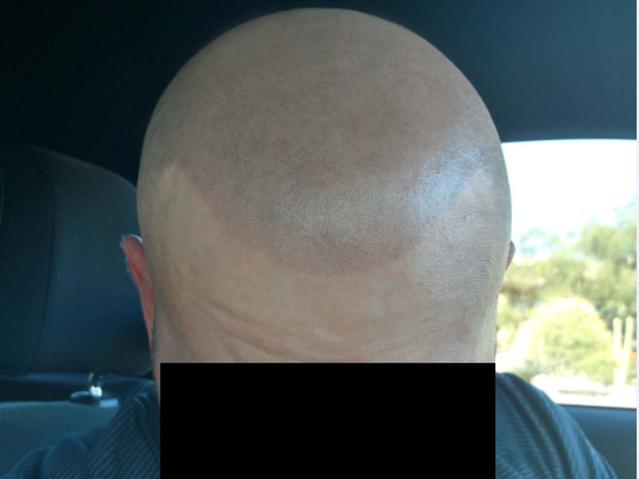
Is baldness hereditary or environmental? Scalp micropigmentation works regardless of cause. It creates a density illusion by depositing micro-dots of pigment across the scalp. These dots produce realistic hair follicle impressions, making thinning scalps appear full.
SMP suits men and women at every hair loss stage.
Unlike transplants, SMP does not require donor hair. Unlike medications, it delivers immediate results. It proves predictable, consistent, and adjustable across all skin tones and hair colors.
Choose your SMP artist carefully
When natural remedies fail and baldness affects confidence, SMP stands out as practical and reliable. However, rising demand attracts untrained tattoo artists claiming SMP expertise because techniques “look similar” to traditional tattooing. This creates a serious risk. Poor technique causes blowouts, discoloration, unnatural dots, and long-term damage.
Choosing the right SMP artist represents the most critical decision in the process. Seek professionals trained specifically in scalp micropigmentation, not general tattoo operators expanding services. True SMP experts understand follicle patterns, pigment dilution, needle depth, and scalp anatomy.
What matters most is selecting a skilled, reputable SMP professional who creates natural, confidence-boosting results safely and correctly.
Look for the best Arizona SMP professionals at DermiMatch Clinic. Their team of scalp micropigmentation Arizona artists specializes in SMP and can help you find the right solution despite the baldness hereditary connection.