
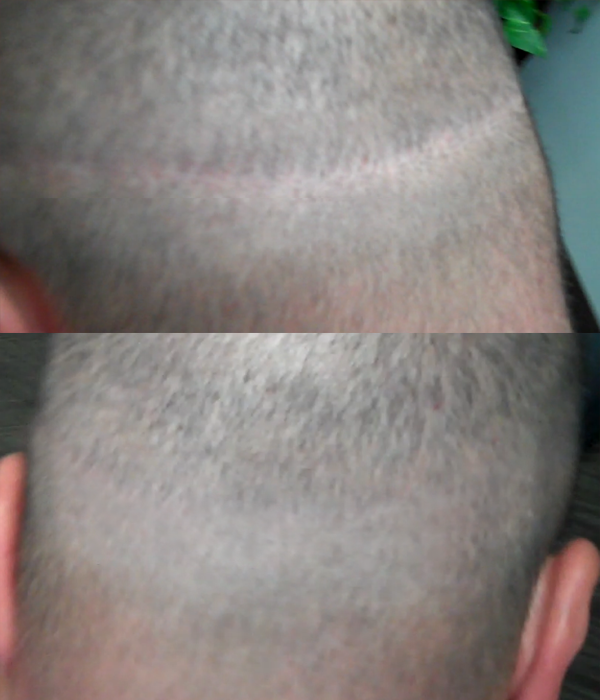
Many veterans with scarring or hair loss seek treatment options. These issues often remain long after their service ends. While many hair loss treatment solutions promise too much, without giving anything in return. That’s when SMP for veterans offers a non-surgical solution that restores natural appearance and rebuilds confidence.
Understanding Why SMP for Veterans Works
Veterans face unique challenges with hair loss. Head trauma creates permanent scalp scarring. Burns from explosions leave visible marks. Stress from deployment triggers conditions like alopecia that cause patchy baldness.
Scalp micropigmentation deposits tiny pigments into the scalp. These deposits look like natural hair follicles. The treatment works well for scar coverage because it doesn’t need existing hair to create results.
Does Scalp Micropigmentation Work on Military Scars?
Yes, SMP treats scars from various military causes. Battle wounds, surgical scars, and previous hair treatments all respond to micropigmentation. The procedure blends scar tissue with the surrounding areas by creating the appearance of hair follicles.
Skilled technicians assess each scar during consultation. Scar age, texture, and depth influence the treatment plan. Most practitioners recommend waiting six to twelve months after injury for complete healing.
How SMP Covers Scars Effectively?
Treatment starts with scalp evaluation. Artists examine hair patterns, skin tone, and scar characteristics. They select pigments matching natural hair color and skin tone for seamless blending.
The process uses micro-needles that penetrate only the upper skin layers. This shallow depth creates natural results. The technique produces the appearance of closely shaved hair rather than obvious cosmetic work.
Most veterans need multiple sessions spaced weeks apart. Each session builds pigment density gradually. Scars become less noticeable as pigment accumulates.
Why Veterans Choose SMP Over Surgery?
Scalp micropigmentation offers advantages over hair transplant surgery. The procedure requires no surgery, no donor hair harvesting, and no long recovery. Veterans return to normal activities immediately.
Hair transplants often fail on scar tissue because scarring rejects grafts. SMP succeeds where transplants cannot. The treatment creates instant improvement without surgical risks.
Maintenance remains minimal after healing. No special shampoos or daily treatments are needed. Results last for years with occasional touch-ups.
What Results To Expect?
Improvement appears after the first session. As treatment continues, results look like natural, closely-shaved hair. The illusion of fullness replaces the shine that makes scars obvious.
Scalp micropigmentation doesn’t grow actual hair. It creates the visual impression of hair coverage. Compared with surgery, SMP costs less and carries a lower risk.
Now you might ask: Can SMP treat scarring and baldness together? Yes, many veterans combine scar coverage with density treatment for thinning areas.
Will it look like a tattoo or natural hair? Professional artists create natural scalp shadows that mimic real follicles. Proper technique prevents an artificial appearance.
Is the procedure painful? Discomfort is minimal because micro-needles are fine, and numbing agents reduce sensation. Risks increase only with unlicensed practitioners.
Why SMP for Veterans Succeeds When Other Treatments Fail?
Many veterans try topical treatments or supplements, hoping to restore hair. These remedies rarely work because they cannot regenerate destroyed follicles or eliminate scars.
Scalp micropigmentation bypasses these limits. The treatment doesn’t attempt hair regrowth. It creates a convincing visual illusion immediately and permanently. Results appear quickly and last for years with minimal upkeep.
SMP restores a balanced appearance where natural regrowth proves impossible. Veterans with permanent damage gain realistic solutions.
If standard treatments haven’t worked, scalp micropigmentation provides realistic restoration of appearance and confidence. However, treatment quality depends on the artist’s expertise.
If you choose any tattoo artist for the scalp job, you might not get realistic results. Regular tattoo equipment and inks produce different results than specialized SMP methods.
Tattoo needles penetrate deeper than SMP micro-needles. Deeper penetration causes pigment spreading and poor appearance. Tattoo inks discolor on scalps, turning blue or gray. These mistakes become expensive to correct.
Work with certified Arizona SMP specialists at DermiMatch Clinic, who focus on scalp procedures. Verify your scalp artist has completed veteran scar treatments specifically. Schedule a consultation with top practitioners of scalp micropigmentation in Arizona for the best results.