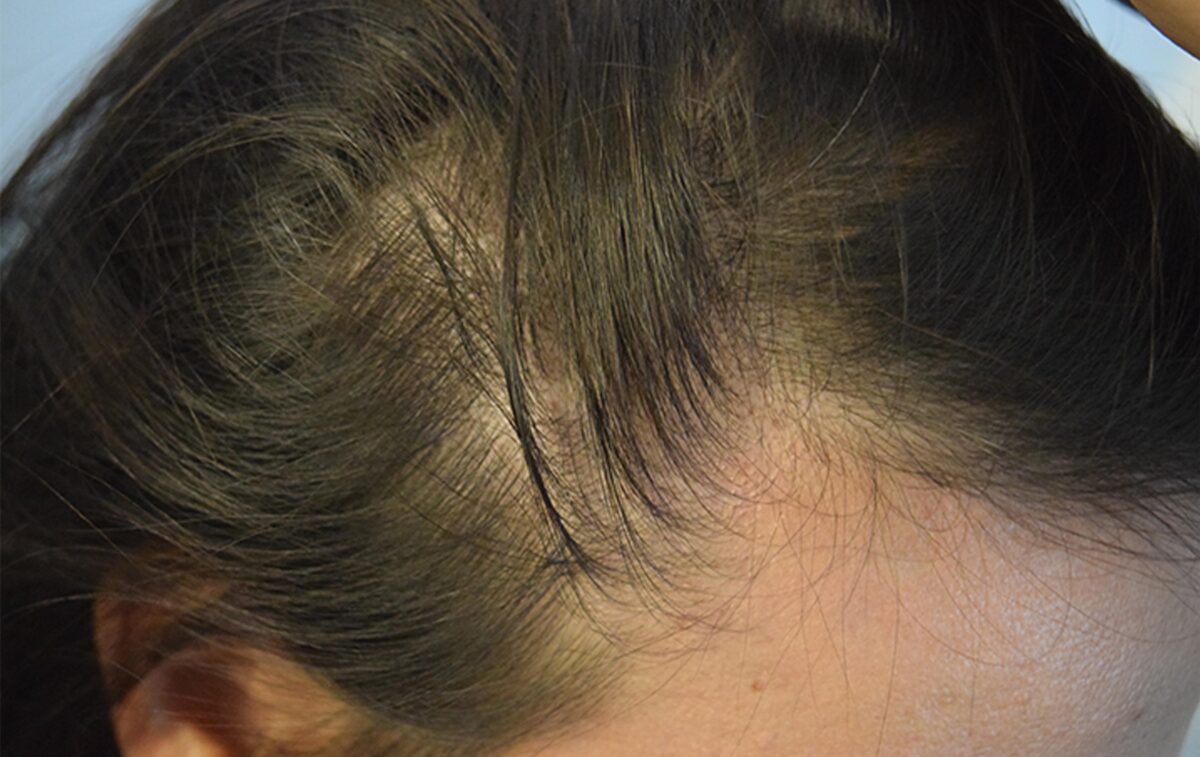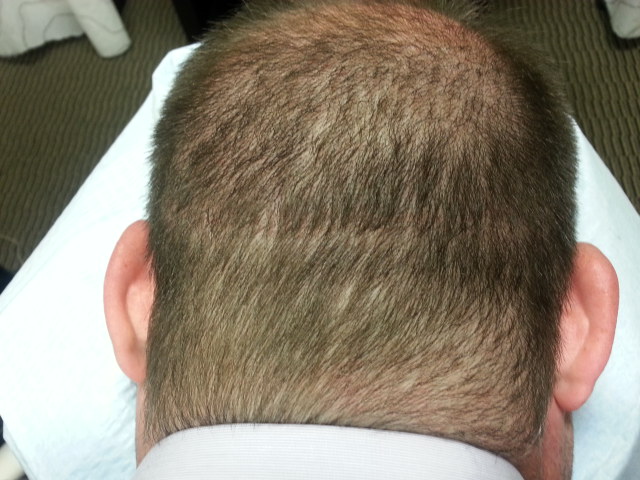
Scalp ringworm looks minor, yet it can thin your hair fast. Doctors call it tinea capitis, and a fungus drives it, not a worm. The fungus feeds on keratin, so it attacks your hair shafts and follicles directly. As a result, hairs snap near the skin and leave round, scaly patches. Many people also notice itching, redness, or tiny black dots where strands break off. Treatment always comes first, though. SMP should never hide an active infection or replace antifungal care. Instead, it becomes an option once the scalp heals.
Will Your Hair Grow Back After Ringworm?
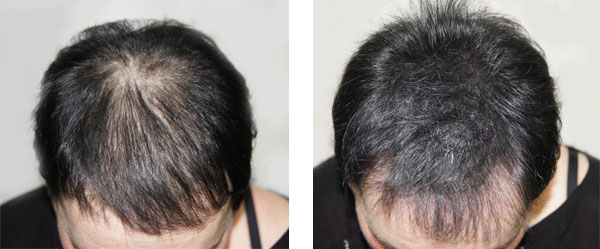
In most cases, ringworm hair loss reverses. Once oral antifungals clear the fungus, healthy follicles can push out new hair again. However, regrowth rarely happens overnight. Your scalp needs weeks, and often months, to rebuild normal density.
So a bare patch right after treatment does not mean the loss is forever. Keep following your doctor’s plan, and give those follicles time to recover.
Can Ringworm Leave A Permanent Bald Spot?
Sometimes, but not in most cases. Severe, inflamed ringworm can trigger painful swelling called a kerion. Intense inflammation like this may scar the scalp and destroy follicles. Once scar tissue replaces a follicle, that spot cannot grow hair again. Therefore, treating the infection early protects your long-term hair, not just your comfort.
How Long Until the Patch Fills In?
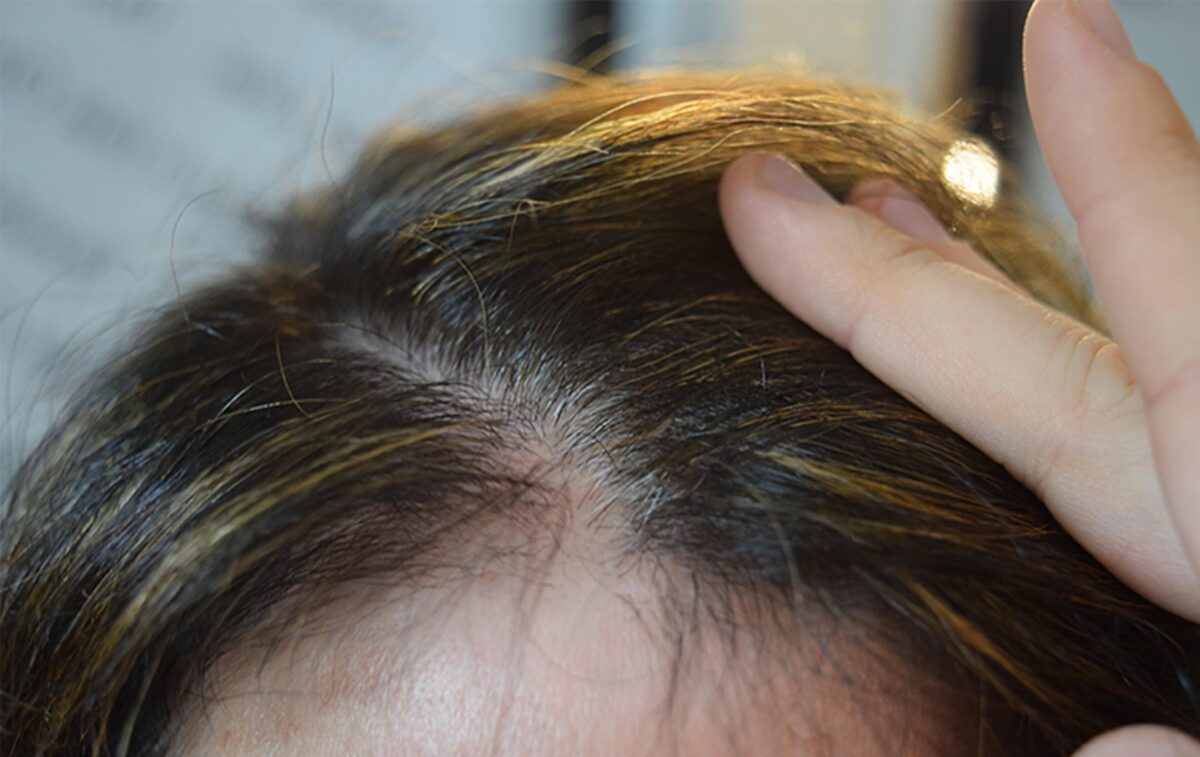
This varies from person to person. Mild cases often improve within a few months, while fuller density can take six to twelve months. Meanwhile, the thin patch stays visible under bright light. Wet hair, harsh mirrors, and travel photos in strong sun expose it even more. That wait wears on your confidence, especially when the patch sits near your hairline.
When Is Your Scalp Ready for SMP?
Wait until your scalp fully recovers. Never book SMP while scaling, sores, redness, tenderness, or any live infection remain. A dermatologist should first confirm the fungus is gone and the skin has settled. This matters because SMP uses fine needles to place pigment in the skin. Stable, healed skin gives your specialist a clean surface and a better final result.
How SMP Hides A Ringworm Bald Patch?
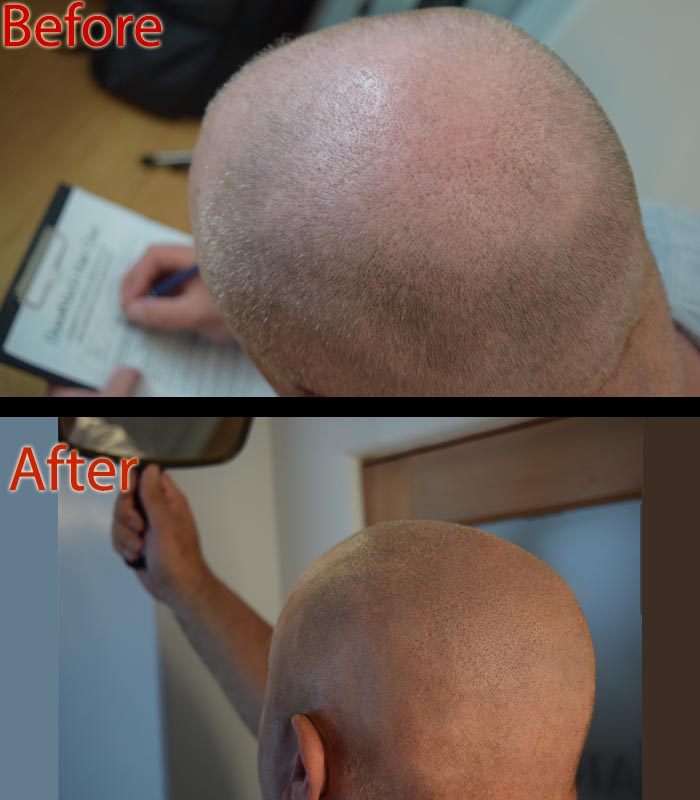
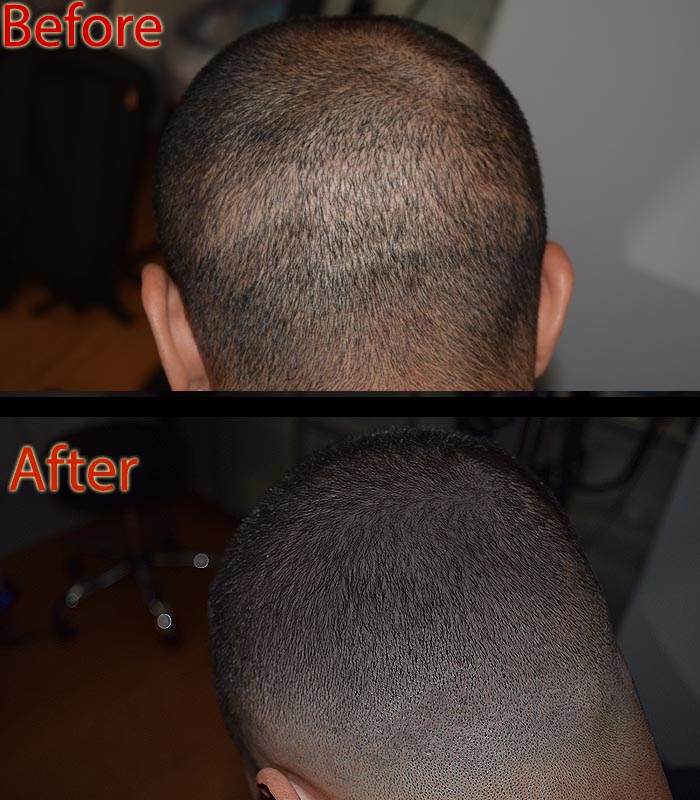
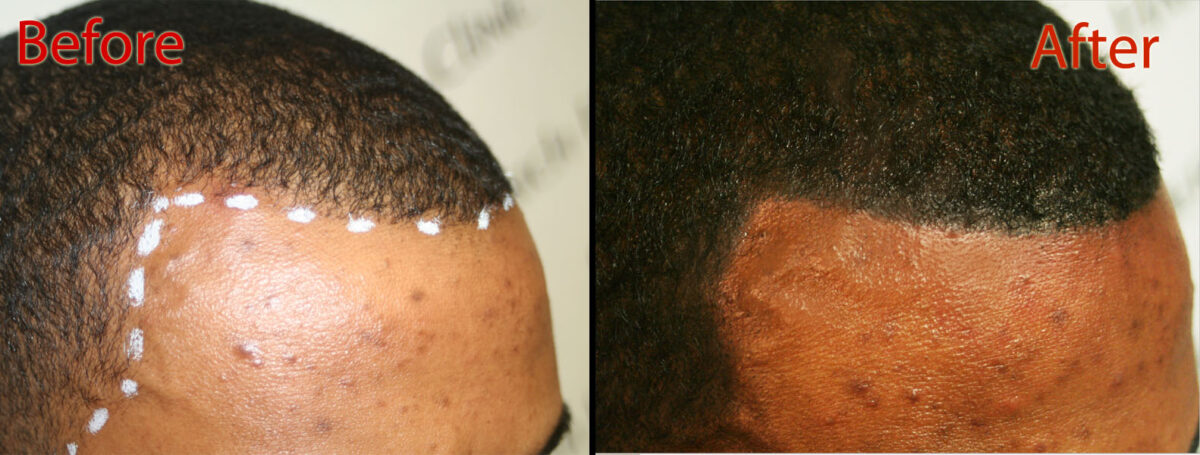
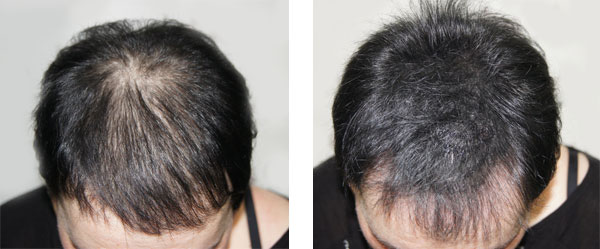
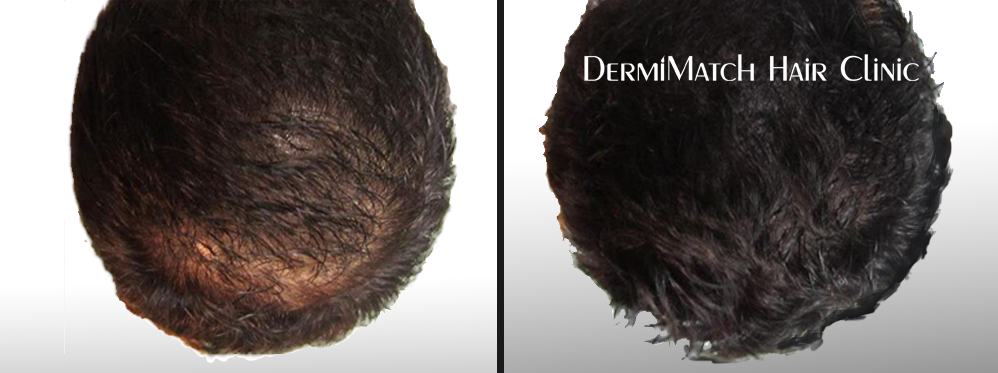
Scalp micropigmentation does not regrow hair. Instead, a trained artist deposits tiny pigment dots that mimic real follicles. On a small patch, those dots blend into the surrounding hair and shrink the contrast between bare scalp and strands.
As a result, the patch fades into the background. SMP can also soften stable scars, though scarred skin holds pigment differently, so your specialist adjusts depth and density accordingly.
Does SMP Work for Everyday Life and Travel?
Yes, and that is a big draw. After healing, SMP asks for little aftercare. You skip the daily fibers, sprays, and scalp concealers. So windy days, packed schedules, holidays, and business travel all get easier. You should still shield your scalp from strong sun, because UV light speeds up pigment fading over time.
When Regrowth Stalls, SMP Steps In
Most ringworm hair loss fills back in once the infection clears, so give your scalp real time. Still, stubborn scarring can leave a patch that serums and other regrowth options cannot fix. In that case, scalp micropigmentation offers dependable, natural-looking coverage without pretending to grow new follicles. It hands you a clean, even look while you move on from the infection.
Pick a Trained SMP Specialist, Not A Tattooist
Finally, choose your Arizona SMP artist carefully. SMP and body tattooing are not the same skill. They rely on different pigments, needles, depth, and a real grasp of hair patterns and scar tissue. Since scalp micropigmentation has become widely popular, many tattoo artists advertise SMP without proper training.
Look for a scalp expert who has a proven track record of delivering realistic results in scalp micropigmentation in Arizona. DermiMatch Clinic specializes in SMP, with its professional scalp experts helping clients find the right solutions in micropigmentation.