
Thousands of people search for answers about vitamin deficiency hair loss every single day. Many of them follow clean, plant-based diets and still watch more hair collect in the shower drain each week. They eat well, take care of their bodies, and yet the thinning continues. If that sounds familiar, here’s all the information you need to find what happens inside your body and what actually works when nutrition alone stops being enough.
Can a Vegan or Vegetarian Diet Cause Hair Loss?
Yes, it can — but the diet itself is rarely the direct villain. The real problem lies in the nutritional gaps that unplanned plant-based eating quietly creates over time. Vegan and vegetarian diets cut out entire food categories that traditionally supply the nutrients hair follicles depend on most.
When those gaps go unaddressed for months, the body makes a brutal priority decision: it directs whatever nutrients it has toward vital organs first. Hair follicles rank low on that survival list. They slow down, weaken, and eventually stop producing healthy strands.
What Vitamin Deficiency Causes Hair Loss in Plant-Based Eaters?
Several nutrient shortfalls trigger vitamin deficiency hair loss in people who follow plant-based diets. Vitamin B12 tops the list. B12 exists almost exclusively in animal products. The body needs it to produce red blood cells, which carry oxygen directly to the scalp and follicles. Without adequate B12, follicle cells struggle to divide and regenerate normally. Hair growth slows noticeably, and diffuse thinning spreads across the scalp rather than appearing in isolated patches.
Iron deficiency follows closely behind. The body absorbs iron from plant sources at a much lower rate than from meat. Low iron starves follicles of oxygen-carrying capacity, pushing them into a prolonged resting phase. Zinc deficiency matters too, since zinc drives the tissue repair that keeps follicles structurally sound. Vitamin D, which most people obtain through fortified dairy or fatty fish, supports the activation of new hair follicle cycles. Without it, existing follicles struggle to restart after each natural shedding phase.
Protein deficiency compounds all of these problems. Hair consists almost entirely of keratin, a tough structural protein. When total protein intake falls too low on a poorly planned vegan diet, the body lacks the raw material to build strong hair strands at all.
How Do You Fix Vitamin Deficiency Hair Loss?
The first step involves confirming the actual deficiency through blood work. A doctor can identify low ferritin, B12, zinc, or vitamin D levels and prescribe targeted supplementation. Dietary changes help too — adding lentils, tofu, pumpkin seeds, fortified plant milks, and leafy greens addresses several deficiencies at once. Many plant-based eaters also benefit from a quality B12 supplement taken consistently, since food sources alone rarely close that gap.
These steps genuinely help when someone catches the problem early, and the follicles still retain enough vitality to respond.
Will Hair Grow Back After Vitamin Hair Loss?
This question matters enormously, and the honest answer is: sometimes. When deficiencies are caught early and corrected quickly, follicles that have not yet fully miniaturized can recover and resume healthy production. Regrowth in those cases typically takes four to twelve months of consistent nutritional support.
However, when vitamin deficiency hair loss persists for years — particularly when combined with genetic predisposition — follicles shrink permanently. They stop producing visible hair regardless of how many supplements someone takes afterward. For those individuals, restoring nutrient levels improves overall health but does not bring the hairline back.
That reality leaves a significant number of plant-based dieters exactly where many other hair loss sufferers land: with healthy internal markers but a scalp that no longer reflects the care they put into their body. This is where scalp micropigmentation enters the conversation.
Why Scalp Micropigmentation Works When Nutrition Cannot?
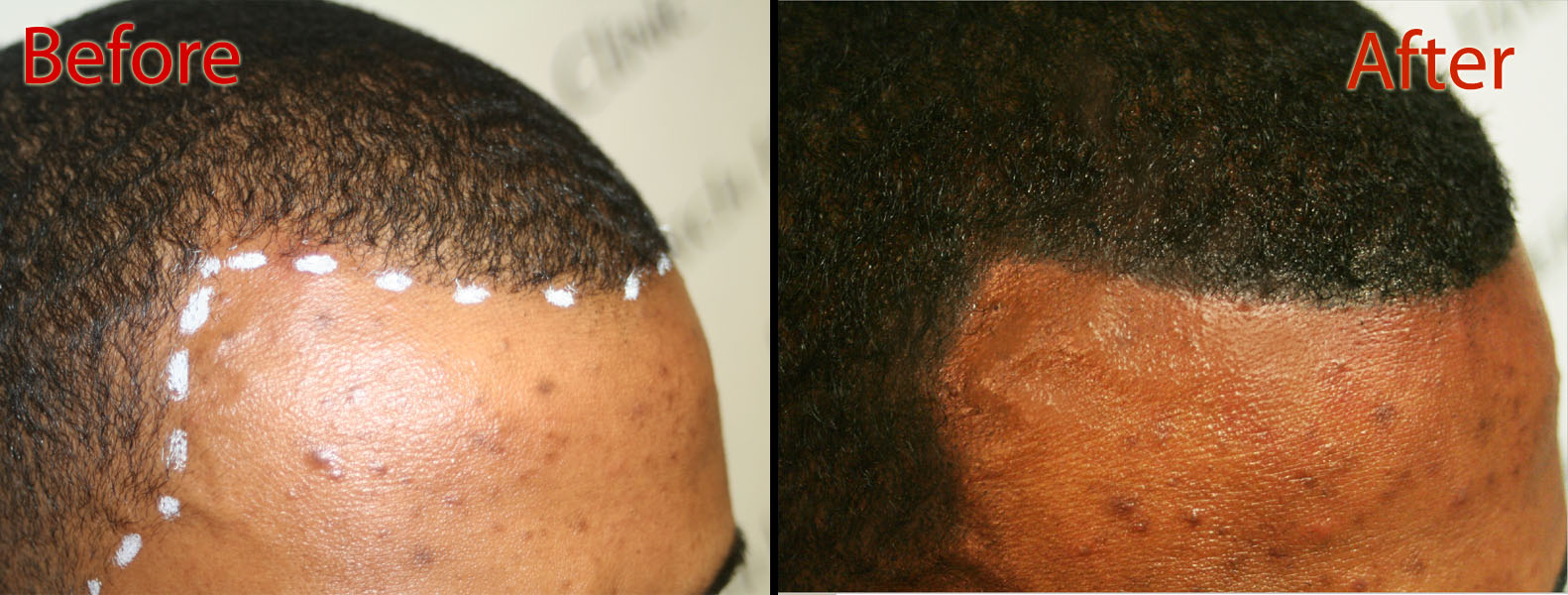
Scalp micropigmentation does not help restart dormant follicles. It solves the visual outcome of vitamin deficiency hair loss by creating the precise appearance of dense, healthy follicles on the scalp. A trained Arizona SMP specialist deposits tiny, carefully matched pigment impressions into the scalp using micro-fine needles. Each impression replicates the look of a real hair follicle at the skin level. Across two to three sessions, the cumulative result produces a hairline and scalp density that looks completely natural — even at close range.
SMP delivers a visible, immediate improvement that works regardless of how the hair loss started — whether through vitamin deficiency, genetics, stress, or any combination of causes.
Pick Your SMP Artist With Absolute Care
Here is where the journey can go seriously wrong. The growing demand for scalp micropigmentation has attracted a wave of traditional tattoo artists who now advertise SMP alongside their regular work. This trend creates real risk for anyone seeking genuine results.
Tattooing and scalp micropigmentation share almost nothing beyond the general concept of pigment and needles. Standard tattoo inks spread beneath the skin over time and frequently shift toward blue or green tones on the scalp. Tattoo needles penetrate at depths designed for body art, not scalp tissue — this causes pigment to bleed outward, creating blurry, oversized dots that look nothing like hair follicles. The result can appear unnatural, inconsistent, and extremely difficult to correct without costly laser removal.
A certified scalp micropigmentation Arizona specialist trains specifically in scalp anatomy, hairline architecture, pigment formulation for scalp skin, and follicle replication at a microscopic level. These are not skills that transfer from a background in body tattoos. Always review a practitioner’s dedicated SMP portfolio thoroughly. Look for natural results across different skin tones and varying stages of hair loss. Ask about their training credentials and the specific pigments they use.
Vitamin deficiency hair loss may have started as a nutrition story, but the best SMP artist at DermiMatch Clinic writes the confident ending.