
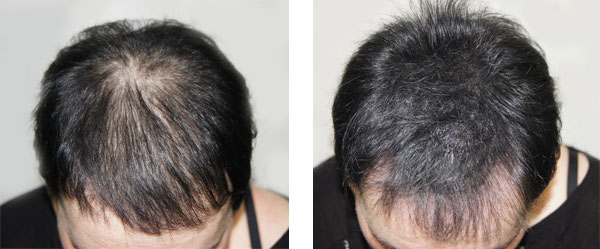
Your new heart pill steadies your pulse. Then, a few months later, your pillow starts collecting hair. Many people never connect the two. Yet blood pressure medication hair loss happens more often than most patients realize, and beta blockers sit near the top of the list.
Can Beta Blockers Cause Hair Loss?
Yes, although it stays fairly uncommon. Propranolol, metoprolol, atenolol, and carvedilol all appear in shedding reports. Even timolol eye drops for glaucoma can reach the bloodstream and thin the hair. Doctors also use these drugs for migraines, anxiety, and tremors, so the side effect touches far more people than heart patients alone.
Why Does the Shedding Happen?
Every hair follows a cycle of growth, transition, and rest. Beta blockers can nudge many follicles into the resting phase at once. Doctors call this telogen effluvium. Two or three months later, those resting hairs let go together. As a result, you notice diffuse thinning across the whole scalp instead of one bald spot.
Will Hair Grow Back After Stopping Beta Blockers?
In most cases, it does. Medication-related shedding usually reverses once your doctor adjusts the trigger. However, regrowth moves slowly. Fresh hairs need several months before they add real density. Never quit a beta blocker on your own, though. A sudden stop can spike your heart rate and blood pressure dangerously. Instead, ask your doctor whether another drug suits you better.
Which Blood Pressure Medication Does Not Cause Hair Loss?
No pill comes with a guarantee. Blood pressure medication hair loss may be triggered by ACE inhibitors, diuretics, and calcium channel blockers, although rarely.
Your doctor weighs your heart health first, and that priority should stand. Meanwhile, a dermatologist can rule out thyroid issues, low iron, or genetic thinning hiding behind the medication.
How Do You Stop Hair Loss From Medication?
Start with scalp health. Wash with a mild shampoo, skip tight ponytails and eat enough protein. Then talk to your doctor before trying minoxidil, since it also affects blood pressure. Serums and oils sell hope, but they rarely speed recovery. Some people still wait a year for visible change, and others keep losing ground to genetics.
Why SMP Outlasts the Side Effects
Scalp micropigmentation places tiny pigment dots that mimic short follicles. It adds no new hair. Instead, it softens the contrast between your hair and your scalp, so thin areas look fuller right away. Once healed, it survives showers, sweat, and swimming.
Frequent travelers love it because no powder or spray needs packing. You stop checking hotel mirrors or dreading humid beach air. A pigment touch-up every few years keeps it crisp.
Natural Results Start With Customization
Good SMP never looks stamped on. Your SMP specialist in Arizona matches the pigment to your skin tone and hair color. They also study your natural hairline, crown swirl, and density. Then they design around that pattern, so the dots blend with real hair as it regrows.
Choose a Professional Arizona Scalp Artist
When serums fail to fix blood pressure medication hair loss, SMP gives you a reliable, low-maintenance answer. Wait until your shedding settles, then book a consultation. Choose your Arizona scalp micropigmentation artist carefully, as many tattoo artists advertise SMP after a weekend course.
Tattoo needles and inks go too deep, so the dots can blur and turn blue. Ask for healed photos, specialist training, and hygiene standards. Your scalp deserves a true SMP expert.
Trust DermiMatch Clinic for the job and stop worrying about hair loss.