
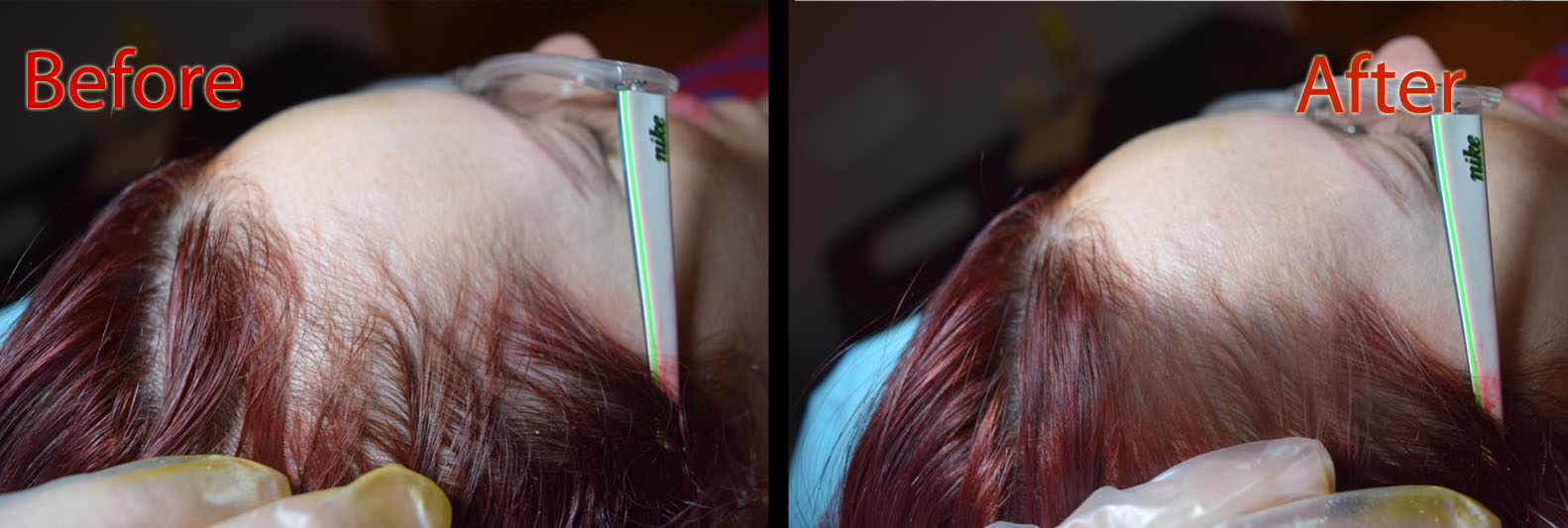
Many of you search for hair regrowth for women after noticing extra shedding in the shower, on the pillow, or in their brush. Unknowingly, birth control pills could be the root cause, as they change hormone levels. That hormone shift can affect the normal hair cycle. Hair grows, rests, sheds, and starts again. When hormones move suddenly, more hairs can enter the shedding phase at the same time.
This does not happen to every woman. Still, some women notice thinner-looking hair after starting, stopping, or switching birth control.
Can Birth Control Pills Cause Hair Thinning?
Yes, birth control pills can contribute to hair thinning in some women.
The risk often depends on the pill type, family history, hormone sensitivity, stress level, nutrition, and scalp health. Some pills may have more androgen-like activity. Androgens can shrink sensitive follicles over time. When that happens, the part line may look wider. The crown may look less dense. The scalp may show more under bright light.
However, not every case means permanent loss.
Some women experience temporary shedding called telogen effluvium. This often follows a sudden hormonal change. In that case, the follicles usually remain alive. Hair may improve once the body adjusts.
Will Hair Grow Back After Stopping Birth Control?
Many women want a clear answer. In some cases, yes, hair can improve.
However, the result depends on the cause. If the pill triggered temporary shedding, hair may slowly recover over several months. If the pill revealed female pattern hair thinning, the change may continue without support.
That is why a proper diagnosis matters.
A dermatologist can check for female pattern hair loss, thyroid issues, iron deficiency, vitamin D deficiency, PCOS, stress shedding, postpartum changes, and scalp inflammation. These conditions can overlap. So guessing often wastes time.
Where Hair Regrowth For Women Fits In
Hair regrowth for women usually starts with the cause.
Some women use topical minoxidil. Others try prescription options, hormone review, nutrition support, platelet-rich plasma, low-level laser therapy, or scalp care. These choices may help the follicle grow hair if it still has growth potential.
But hair growth takes patience. It can take months to see any visible change. Also, some women cannot use certain products. Others stop because of scalp irritation, texture issues, greasiness, or lack of results.
This adds to frustration.
Why Do Serums Not Always Solve the Confidence Problem?
Hair growth serums can support some women. Yet they do not create instant density.
They also cannot hide visible scalp contrast right away. That contrast often causes the biggest confidence issue. Dark hair against a light scalp can make thinning look more obvious, even when some hair remains.
This is where scalp micropigmentation can help.
SMP does not promise hair regrowth for women. Instead, it improves the look of density. A skilled SMP artist places tiny pigment impressions across thinning areas. These dots reduce the contrast between hair and scalp. As a result, the hair can look fuller from a normal viewing distance.
SMP as a Confidence Tool for Female Hair Thinning
Scalp micropigmentation can work well for diffuse thinning, a widening part, crown visibility, and low-density areas.
It also suits women who feel tired of powders, sprays, fibers, and daily cover-up routines. Those products can help, but sweat, rain, touch, and bright lighting can expose them.
Hair regrowth for women focuses on the follicle. SMP focuses on the visual result.
Together, they can support both appearance and confidence.
When to consider SMP?
SMP may make sense when birth-control-related hair thinning leaves a visible scalp behind.
A consultation with a top DermiMatch Clinic scalp artist can help you find out whether your thinning pattern suits SMP.
Scalp micropigmentation requires skill, judgment, and restraint.
This matters even more for women. Female thinning often needs soft density work, natural blending, and careful pigment placement. Heavy dots, wrong color, or poor spacing can make the scalp look unnatural.
Today, many tattoo artists claim they can do SMP. That does not mean they understand hairlines, follicle patterns, female density work, pigment behavior, or scalp-specific technique.
So choose an Arizona SMP specialist who has experience working with women’s hair. When hair regrowth for women does not give the coverage you hoped for, the right SMP artist can help restore the look of fullness and the confidence that comes with it.
Find the best SMP professional in Arizona at DermiMatch Clinic.