
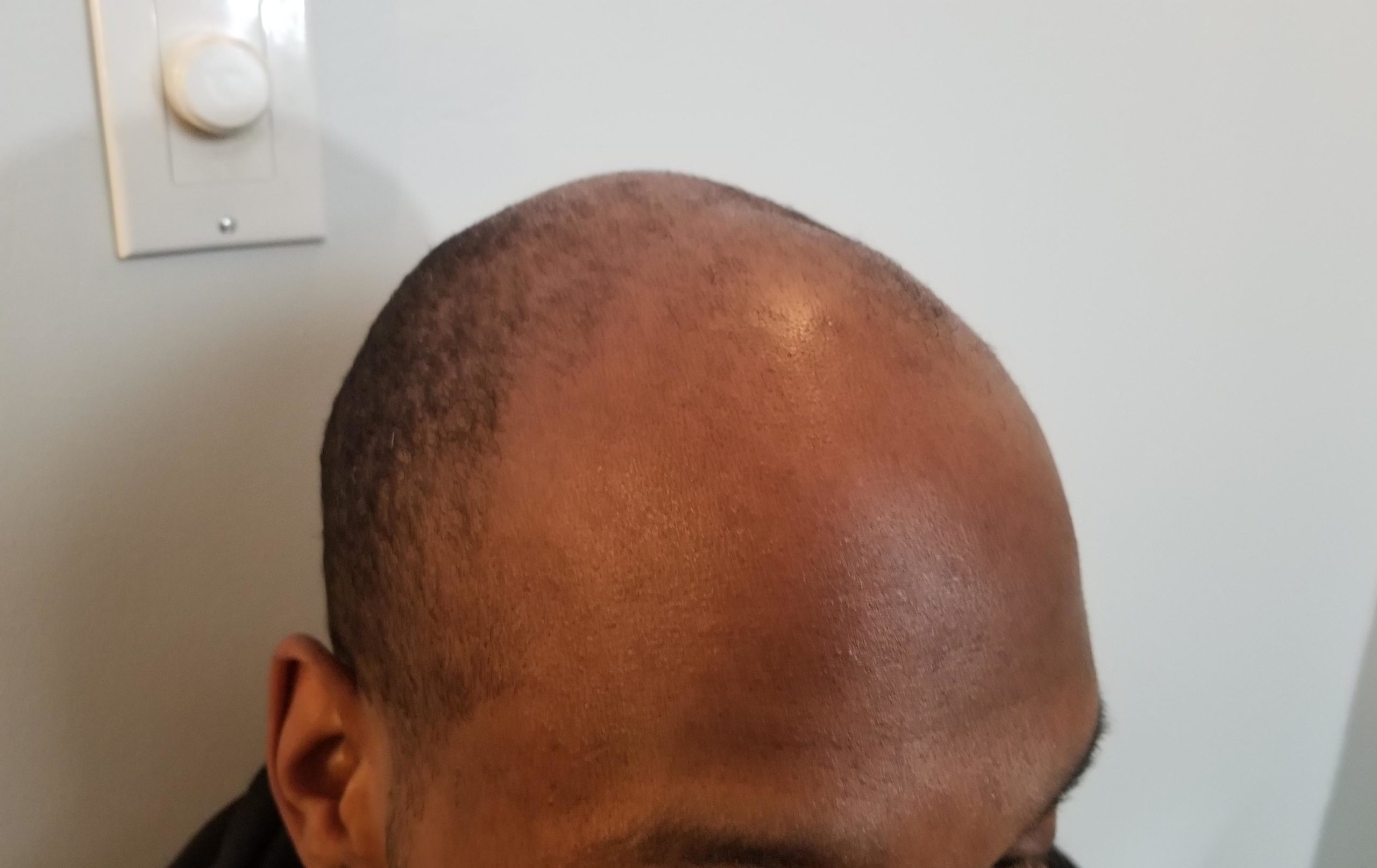
Thinning hair in seniors rarely shows up overnight, yet one morning, the part looks wider, and the scalp catches the light. Many older adults reach straight for a wig, though that wig soon turns into a daily chore. Fortunately, scalp micropigmentation, or SMP, offers a calmer, low-maintenance path to fuller-looking hair.
Why Does Hair Thin With Age?
Hair simply changes as the years add up. Growth slows, strands turn finer, and overall density quietly drops. On top of that, menopause, thyroid shifts, low iron, stress, and certain medications push the process further. Because gray and white hair reflects more light, the scalp underneath peeks through even faster. So thinning hair in seniors often looks more dramatic than the actual loss.
Why do wigs feel like hard work?
Wigs can look lovely, and they cover thin spots in seconds. However, that convenience fades fast for plenty of older adults. A wig traps heat in summer, slides during a brisk walk, and needs constant washing, styling, and storage. Some seniors also dread wind, rain, or a stranger’s second glance. Meanwhile, clips, tape, and glue press against delicate skin all day. In short, a wig hides the problem yet hands you a whole new routine.
How Does SMP Create Fuller-Looking Hair?
Scalp micropigmentation takes a smarter approach to thinning hair in seniors. Instead of growing hair, a trained artist layers tiny pigment dots that mimic real follicles across the scalp. Those dots shrink the contrast between pale skin and darker roots, so the eye stops jumping to bare patches. From normal talking distance, the hair reads fuller, softer, and far more even. Best of all, the finish stays put through sweat, wind, and weather.
Can Thinning Hair Grow Back For Older Adults?
Sometimes, yes. Serums, minoxidil, and richer nutrition help certain people reclaim a little density. Yet aging follicles often respond slowly, and results tend to stay modest. Many seniors wait months and still spot the same shine through the crown. When treatments stall like that, SMP fills the gap without leaning on new growth at all.
Is SMP Right for Gray or Aging Hair?
Absolutely, provided the work suits the person. A skilled artist matches pigment tone to gray, white, or salt-and-pepper hair for a believable finish. Men frequently want a crisp hairline or a clean, shaved-density look. Women usually need gentle blending across a widening part and a thinning crown. Careful, age-appropriate work should whisper, never shout.
A True Low-Maintenance Confidence Tool
Priorities shift with age, and comfort usually wins. Most seniors want a neat look without powders, sprays, or long sessions at the mirror. Once healed, SMP asks almost nothing of you from day to day. It never blows away, never runs with perspiration, and never demands a full hairpiece ritual. For anyone tired of hiding thin areas, that freedom feels genuinely liberating.
Choose the Right SMP Artist
Here, the entire result rests on one decision. Aging skin, gray hair, and fragile density need real experience, so the artist matters enormously. Lately, countless tattoo artists advertise SMP without proper scalp training. Ordinary tattoo ink fades into odd blue or green tones, while heavy needles leave harsh, obvious marks. A genuine SMP specialist understands pigment, depth, spacing, and healed results on mature scalps.
Before you book, request healed photos, study senior clients, and inspect the work under different lighting. Walk away from anyone who treats SMP like a regular tattoo, because that mistake wrecks scalps every week. When serums disappoint, and wigs feel exhausting, the right scalp micropigmentation professional in Arizona can make thinning hair in seniors look fuller, cleaner, and wonderfully easy to live with. Schedule a consultation with the best Arizona SMP professional at DermiMatch Clinic now!