
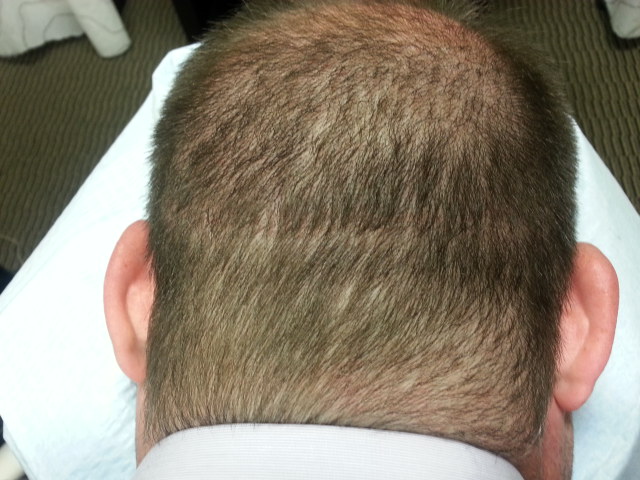
Trichotillomania, also called hair-pulling disorder, causes repeated urges to pull hair from the scalp. The pulling can create broken hairs, thin zones, irregular bald patches, and in some cases, lasting follicle damage. Unlike pattern baldness, the problem does not begin with hormones or genetics alone. Therefore, anyone chasing hair regrowth must first understand the behavior behind the loss.
Many people hide affected areas with hats, fibers, powders, wigs or hairstyles. Those options can help temporarily, yet concealment may become frustrating. Scalp micropigmentation offers another route when visible scalp remains the main cosmetic concern.
Can Hair Grow Back After Trichotillomania?
Hair regrowth often happens after pulling stops, especially when the follicles remain healthy. However, repeated trauma to the same area can eventually damage follicles and leave thinner or permanently sparse patches. A dermatologist can examine the scalp when regrowth stalls or the skin looks scarred.
That distinction matters because SMP does not make hair grow. Instead, a trained scalp micropigmentation artist places tiny pigment impressions that reduce the contrast between hair and exposed scalp. The effect can make patchy areas look denser without fibers or cover products. Clinical research describes SMP as a cosmetic camouflage technique that creates the illusion of greater hair density.
What is the Best Treatment for Trichotillomania?
Behavioral treatment targets the disorder itself. Habit reversal training and other cognitive behavioral approaches help people recognize triggers, interrupt pulling patterns and replace the behavior with a competing response.
Hair regrowth products address a different goal. Minoxidil may support growth in some hair-loss conditions, but no serum can stop the urge to pull. Likewise, SMP should never replace mental-health or medical care. It works as cosmetic camouflage after the scalp reaches a suitable condition.
When Does SMP Make Sense for Hair Regrowth Concerns?
SMP may suit someone who has controlled the pulling but still sees thin or uneven areas. It can also help when hair regrowth returns slowly, remains patchy, or never fully restores density.
However, the scalp needs careful assessment first. Fresh wounds, scabs, inflammation, or ongoing pulling can interfere with healing and the final appearance. An experienced SMP specialist should look at hair length, density, skin tone, pigment choice, and the pattern of loss before recommending treatment.
Can SMP Cover Bald Spots Naturally?
Yes, when the artist understands scalp-specific pigment behavior, dot size, spacing, and depth, they can cover bald spots. Remember, the goal is not to “color in” a bald patch. Instead, the practitioner must build a soft optical illusion that blends with surrounding follicles. Research on SMP shows that factors such as pigment placement, needle depth, and dot pattern directly affect the final result.
That precision becomes especially important with trichotillomania because loss often appears irregular rather than following a predictable pattern.
When Hair Growth Serums Stop Solving the Visible Problem
Hair regrowth can take time, and some damaged follicles may never recover fully. If serums, styling tricks, or concealers no longer give the appearance you want, SMP can provide a practical masking option without transplant surgery.
Still, the skills of the Arizona SMP artist matter as much as the procedure. The problem is that the growth of SMP has attracted tattoo artists who add scalp work to a general service menu. Tattooing skin and replicating believable hair follicles require different techniques, pigments, depths, and design judgment.
Choose an SMP artist who specializes in scalps, shows healed results, understands hair-loss patterns, and can explain a conservative treatment plan. For trichotillomania-related loss, experience with scarred, patchy, and uneven density matters even more. The right scalp micropigmentation Arizona specialist can turn SMP from obvious camouflage into something people read as hair.
Interested in getting the right scalp treatment for trichotillomania? Get in touch with scalp experts at DermiMatch Clinic.