
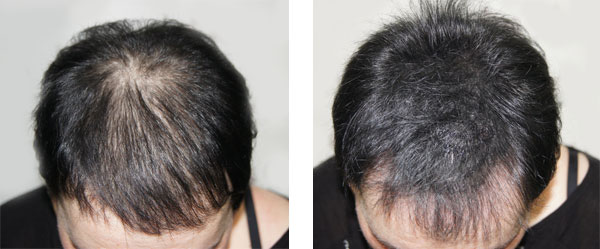
When doctors prescribe medication to protect your heart, hair loss is usually the last thing on anyone’s mind. Yet thousands of people taking blood pressure medication notice their hair thinning within months of starting treatment. This connection between blood pressure medication and hair loss is real, frustrating, and far more common than most medical professionals acknowledge upfront.
What’s the Blood Pressure Medication and Hair Loss Link?
The link between blood pressure medication and hair loss happens because certain drugs disrupt your hair’s natural growth cycle. Beta blockers like metoprolol and atenolol reduce blood flow throughout your body, including to your scalp.
When hair follicles receive less oxygen and nutrients, they shift into a resting phase earlier than normal. ACE inhibitors, such as lisinopril and enalapril, can deplete zinc and other minerals your body needs to produce strong hair. Diuretics may also trigger shedding in some people. The result is called telogen effluvium, a condition where follicles release hair prematurely.
Is hair loss from blood pressure medication reversible?
You might wonder if hair loss is reversible. The answer depends on several factors. If you catch the problem early and work with your doctor to switch medications, many people see their hair recover within six to twelve months.
Drugs like calcium channel blockers are less likely to cause shedding. However, if you have genetic hair loss, medication can speed up the process. Once follicles shrink significantly, regrowth becomes harder.
How Long Does Hair Take To Regrow?
Hair regrowth after you discontinue your blood pressure medication takes time. Most people see improvement between three and six months after switching or stopping the offending drug. Full density can take up to eighteen months or longer. In some cases, it might never happen.
The waiting period feels endless, especially when thinning affects your confidence daily.
During this time, many people try vitamins, scalp treatments, or supplements. These may support overall scalp health but rarely restore lost volume on their own.
When Natural Remedies Fall Short
People dealing with hair loss from blood pressure medication often turn to natural options first. Better nutrition, stress management, and topical oils may help, but they rarely fix significant thinning. Hair needs follicles that are alive and functioning.
If medication has pushed follicles into prolonged dormancy or genetic balding has taken hold, no amount of supplements will bring back what is gone.
Scalp Micropigmentation as a Permanent Fix
This is where scalp micropigmentation becomes the practical answer. SMP does not rely on regrowth. It creates the visual appearance of density by applying tiny pigment deposits that replicate natural hair follicles. For those experiencing hair loss, SMP delivers immediate results without interfering with ongoing medical treatment. It works equally well for both men and women and can restore hairlines, add density, and hide thinning areas seamlessly.
Choose your SMP Artist Carefully
SMP is not traditional tattooing. It requires specialized training, equipment, pigment knowledge, and an understanding of hair loss patterns. Poor work looks unnatural and is extremely difficult to correct.
When dealing with hair loss from blood pressure medication, you deserve an Arizona scalp artist who specializes exclusively in scalp micropigmentation.
Look for proven portfolios, medical hair loss experience, and proper credentials. In a crowded market, expertise separates confidence from regret.
DermiMatch SMP professionals are happy to help. Leverage their skills and expertise in scalp micropigmentation in Arizona to overcome hair loss woes.