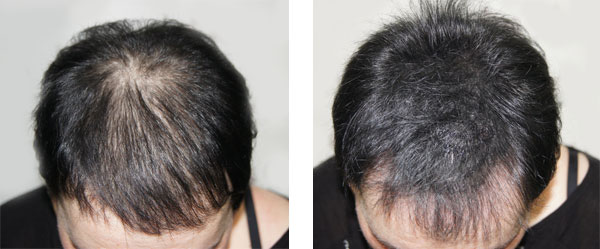
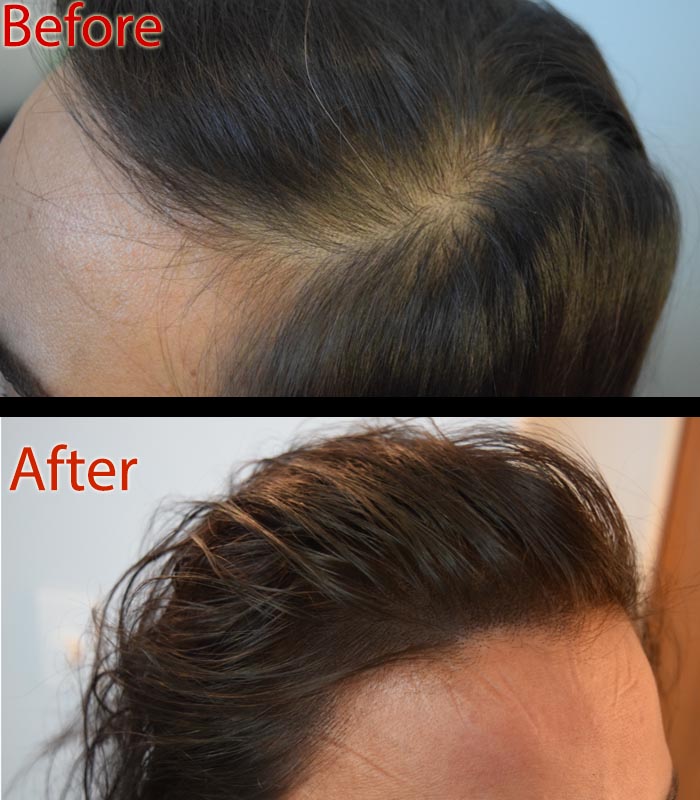
When hair starts thinning unexpectedly, most people never look at their digestive system. Yet gut and hair loss are deeply connected through what researchers call the gut-hair axis. So does poor gut health cause hair loss? Yes, your intestines do more than digest food. They absorb nutrients, regulate inflammation, and influence hormones that directly affect your scalp. When your gut struggles, your hair often shows the damage first.
Does A Poor Gut Health Cause Hair Loss Problems?
Yes, poor gut can cause hair loss. The gut microbiome contains trillions of bacteria that help produce vitamins like biotin, B12, and folate. These nutrients are essential for strong hair growth. When gut bacteria become imbalanced, nutrient absorption drops.
Hair follicles become starved. Studies show that people with conditions like irritable bowel syndrome and inflammatory bowel disease report significantly higher rates of hair thinning. The inflammation from these conditions spreads throughout the body and reaches the scalp, weakening follicles and pushing hair into early shedding phases.
How Does Gut Health Affect Hair Growth?
Gut health affects hair growth through multiple pathways. First, the gut must properly absorb iron, zinc, vitamin D, and protein from food. Without these building blocks, follicles cannot produce strong hair shafts.
Second, an unhealthy gut triggers systemic inflammation. This inflammation reduces blood flow to the scalp and damages follicle cells. Third, gut bacteria help regulate hormones that control hair growth cycles. When gut dysbiosis occurs, hormonal imbalances follow. Hair growth slows, and shedding increases.
Is Hair Loss From Gut Problems Reversible?
Hair problems linked to poor gut health can be reversed if caught early. Healing the gut through diet changes, probiotics, and medical treatment may restore nutrient absorption and reduce inflammation. Many people see improvement within six to twelve months of addressing digestive problems. However, it is not guaranteed.
If follicles have been damaged for extended periods or if genetic hair loss is also present, regrowth may be incomplete. The waiting period frustrates many people who are actively working to improve their health.
What Are Signs Your Gut is Causing Hair Loss?
If you notice hair thinning alongside digestive symptoms, your gut may be the culprit. When you experience bloating, irregular bowel movements, fatigue, food sensitivities, and unexplained weight changes, does poor gut health cause hair loss? Yes.
Blood tests showing low iron, vitamin D, B12, or zinc despite adequate diet intake also suggest poor gut absorption. Conditions like leaky gut allow toxins to enter the bloodstream, triggering immune responses that can attack hair follicles. The connection between gut health and hair loss becomes clearer when both systems show problems simultaneously.
When Natural Remedies Are Not Enough?
Improving gut health through probiotics, anti-inflammatory diets, and stress management supports overall wellness. These steps may slow hair loss or encourage some regrowth. However, they rarely restore lost density or recreate natural hairlines.
Once visible scalp exposure occurs, natural approaches often fall short. This is where scalp micropigmentation becomes the practical solution. SMP does not depend on follicle recovery or internal healing. It creates the visual appearance of fuller hair by replicating natural follicles at the scalp surface.
For people dealing with gut health and hair loss, SMP provides immediate cosmetic improvement while they continue addressing internal health.
Choose Your SMP Artist Carefully
The growing popularity of scalp micropigmentation in Arizona has attracted many tattoo artists claiming to offer the service. This is dangerous. Traditional tattooing and SMP require completely different techniques, equipment, and pigments.
Poor Arizona SMP work looks unnatural and is extremely difficult to correct. When choosing an artist, verify that they specialize exclusively in scalp micropigmentation. Look for proven portfolios showing medical hair loss cases, not just buzz cuts. Ask about their training, understanding of hair loss patterns, and experience with conditions like gut health and hair loss. In a crowded market flooded with unqualified providers, expertise separates confidence from permanent regret.
Trust the skills and expertise of scalp micropigmentation professionals at DermiMatch Clinic, Arizona.