
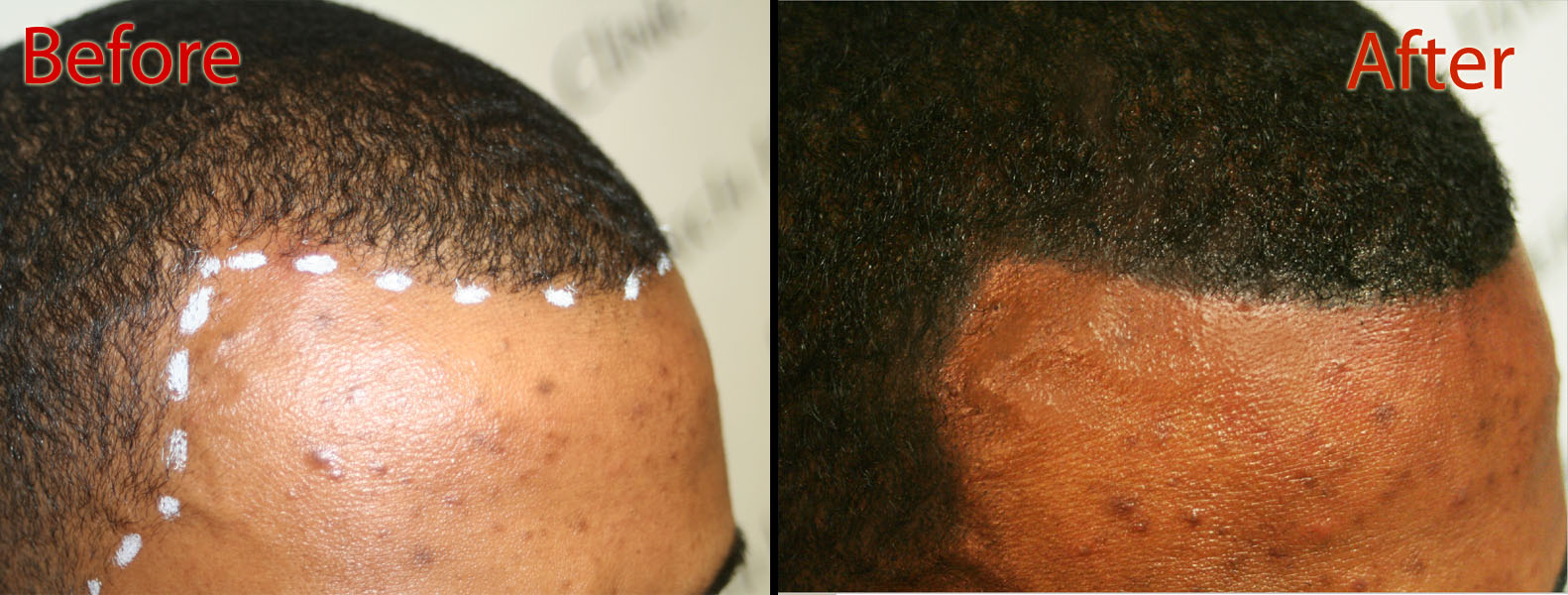
If you’re facing thinning hair or bald spots, you’ve probably heard of two very different treatments: natural-stimulation techniques like microneedling and cosmetic options like scalp micropigmentation (SMP). Understanding how microneedling for hair regrowth vs SMP stacks up can make your task easier to pick the right path.
What is Microneedling for Hair Regrowth?
Microneedling uses tiny needles to create controlled micro-injuries in the scalp. These micro-injuries trigger healing responses: increased collagen, better blood flow, and improved absorption of topical treatments.
Research shows it can improve hair count and thickness when the follicles still exist. It’s appealing because it focuses on regrowth, not just appearance.
What is SMP (scalp micropigmentation)?
SMP is a non-surgical cosmetic procedure that deposits pigment dots into the scalp to mimic shaved or very short hair. It doesn’t regrow hair—it creates the illusion of density by simulating follicles. SMP is an effective solution even in the case of advanced hair loss or when you want a reliable visual solution rather than waiting for regrowth.
Of course, it shows quick results too.
Key Difference: Regrowth Vs Visual Density
When comparing microneedling for hair regrowth to SMP, the difference is clear.
Microneedling aims to stimulate real hair growth, while SMP gives instant visual density without growing hair. If you still have active hair follicles and want to try to rejuvenate them, microneedling may be effective.
However, if your hair loss is significant or you need a quick visual fix, SMP may outperform because it bypasses the waiting and uncertainty.
How many sessions of microneedling are needed for hair regrowth?
Studies indicate multiple sessions over several months are needed for measurable results. Patience and consistency matter.
Now you might wonder: Does microneedling work for balding spots? Well, the answer is only when follicles remain. If the area is completely bald with no follicles, microneedling alone has limited benefit.
Pros and Cons of Microneedling for Hair Regrowth
Pros: It works with your body’s natural mechanisms, can improve hair thickness, and may boost other treatments.
Cons: Results vary widely, progress is slow, and it requires ongoing sessions. In some cases, it may not work when follicles are gone.
Pros and cons of SMP
Pros: Instant visual result, works even on bald areas where follicles are inactive. SMP is a low-maintenance procedure, so you don’t have to worry about repeating it frequently, though a few touch-ups may be needed after a few years.
Cons: It doesn’t grow hair. You may have to carry the same look every single day or until you decide to reverse SMP.
Which should you pick?
Microneedling for hair regrowth might be an option if you have just started experiencing hair loss, but have plenty of follicles. However, if you’re feeling the pressure of visible thinning, want a dependable result, or natural remedies have failed you, SMP might be the smarter choice.
If you feel frustrated by slow progress, inconsistent outcomes, or shrinking confidence, SMP offers control, visible change, and clarity.
But the results may vary, depending on the skills of the artist. You don’t want to get trapped in the hands of a tattoo artist for your SMP job.
Arizona SMP professionals use fine needles, the right SMP pigment suited for the scalp, an artistic eye for hairline and density, and a strict hygiene protocol. Choose someone with SMP expertise, like the skilled scalp micropigmentation practitioners in Arizona at DermiMatch Clinic.
Remember, the result depends on the SMP professional’s expertise and skills. Choosing the best hands for the job should be your first goal.