
Diabetes hair loss affects millions but remains one of the least discussed complications of managing blood sugar. When glucose levels stay elevated, small blood vessels narrow and restrict nutrient flow to hair follicles. Over time, follicles weaken and enter extended resting phases.
Hair becomes thinner across the scalp, eyebrows, and even legs. For people already managing the daily demands of diabetes, losing hair adds another visible burden that impacts self-image and confidence. Research shows that people with diabetes face a 68 percent increased risk of severe hair loss compared to those without the condition.
Can diabetes hair loss occur even with controlled blood sugar?
Many people wonder if diabetic hair loss continues after achieving better glucose control. The unfortunate answer is often yes. Long-term vascular damage from diabetes does not always reverse.
Damaged circulation patterns remain compromised even when blood sugar improves. Hormonal imbalances and chronic inflammation keep follicles in a dormant state. This explains why diabetes hair loss persists despite medication, diet changes, and disciplined management routines. The follicles simply cannot recover from years of reduced oxygen and nutrient delivery.
Does diabetes medication cause hair loss?
While medications like metformin can indirectly affect nutrient absorption and may cause vitamin B12 deficiency, they rarely cause hair loss alone. Stress plays a larger role in diabetes hair loss. Daily glucose monitoring, fear of complications, and lifestyle restrictions elevate cortisol levels. High cortisol disrupts normal hair cycles and accelerates shedding.
Nutrient deficiencies in iron, zinc, and biotin further worsen the condition. The physical and emotional stress of managing diabetes creates a perfect storm for hair loss.
Why do natural remedies disappoint people with diabetes hair loss?
Those searching for diabetes hair loss solutions often try oils, supplements, biotin, minoxidil, and herbal treatments. These methods may improve scalp health temporarily, but cannot revive follicles damaged by poor circulation. Once vascular damage reaches a certain threshold, regrowth becomes unlikely. This leads to frustration and self-doubt.
Many ask if hair will grow back after diabetes is controlled. Research shows some people experience regrowth with insulin therapy or improved glucose management. For many others, the answer is no. Dead follicles stay dead.
The emotional impact of diabetes hair loss
Hair loss changes how people see themselves. Thinning hair affects confidence in social settings, photos, and daily interactions. Diabetes hair loss feels especially unfair because it happens despite doing everything right with blood sugar management.
Social anxiety increases. People rely on hats, fibers, and concealing hairstyles daily. This emotional burden pushes many to seek reliable cosmetic solutions instead of endless regrowth promises that fail. Hair loss adds another layer of stress to an already demanding condition.
How SMP Helps?
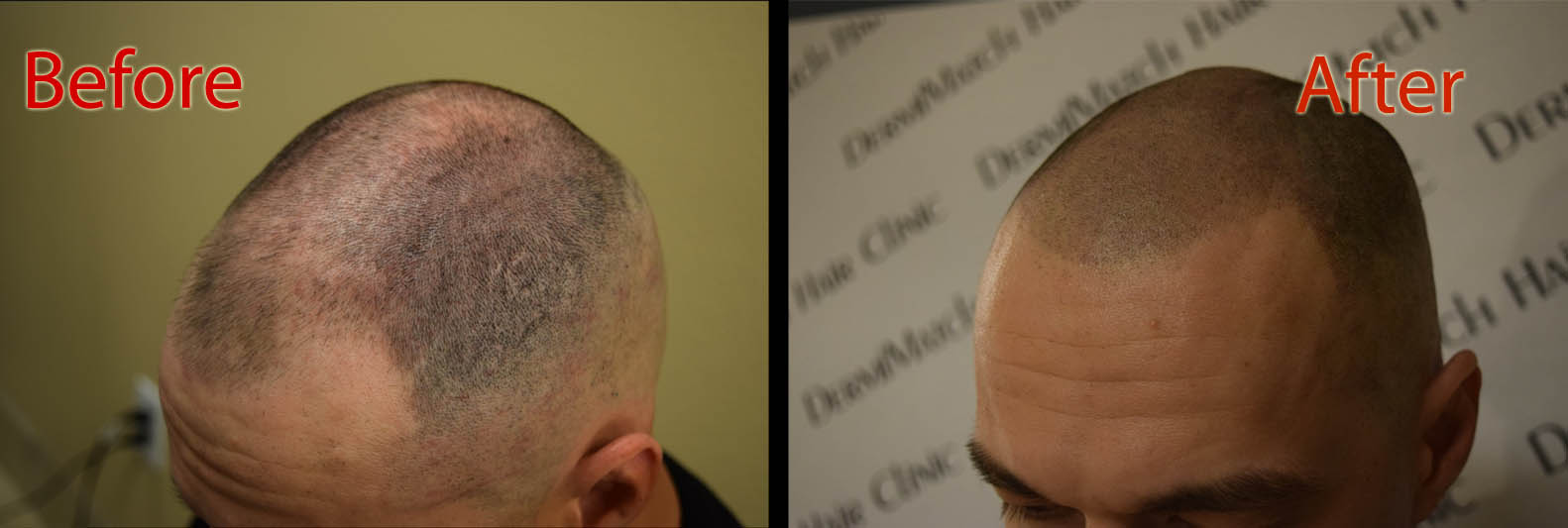
Scalp micropigmentation offers a realistic answer when regrowth fails. SMP does not depend on follicle recovery or improved circulation. It creates the visual appearance of natural hair density using precise pigment deposits in the upper dermal layer.
For people with diabetes hair loss, SMP bypasses all circulation issues entirely. Results appear immediately after treatment. Hairlines look intentional and natural. Density returns to thinning areas. SMP works for diffuse thinning, bald patches, receding temples, crown coverage, and full scalp applications.
Is SMP safe for people with diabetes?
When performed by trained SMP specialists using sterile protocols, the procedure is safe. Healing occurs at the skin surface without deep trauma that could complicate wound healing. Proper aftercare combined with stable glucose levels supports smooth recovery.
This makes SMP a viable option even when other cosmetic procedures carry higher risks for people managing diabetes. The superficial nature of SMP eliminates many concerns about infection and delayed healing.
Choosing the right Arizona SMP artist
The growing popularity of SMP has attracted tattoo artists claiming quick skill transfers. This creates serious risks. Tattooing and scalp micropigmentation require completely different techniques. Tattoo artists often work too deeply, use incorrect pigments, and ignore natural hair growth patterns.
Poor SMP turns blue, blurry, or artificial over time. For people with diabetes hair loss and already compromised skin health from vascular damage, mistakes become harder and more expensive to fix. Choosing a dedicated Arizona SMP specialist protects both appearance and skin integrity.
DermiMatch Clinic has scalp micropigmentation professionals in Arizona to help you out. Schedule your first consultation now.