
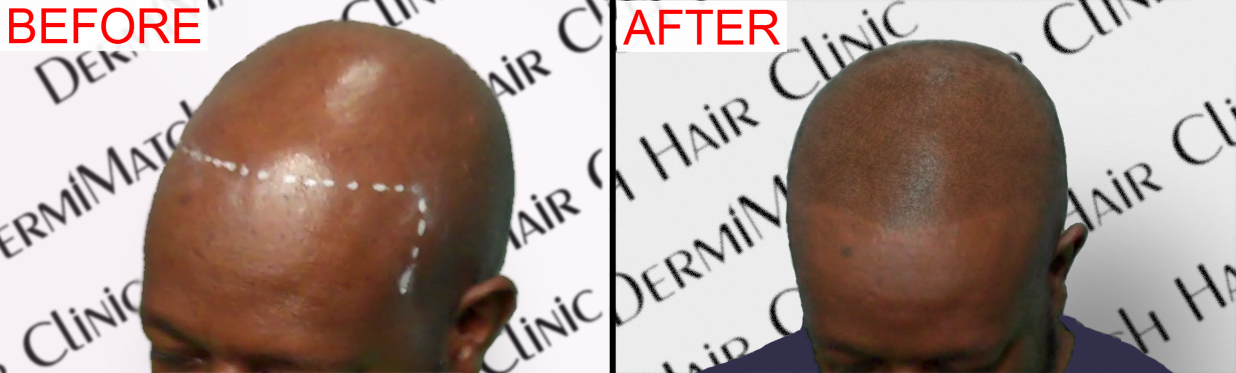
Hair loss after surgery is a reality that many people have to deal with. It’s one of those side effects nobody warns you about that starts during your healing phase. Suddenly, you notice clumps of hair falling out. The sight is scary for those who love their hair. Of course, it hurts too.
Why Does Hair Loss After Surgery Happen?
Your body treats surgery as trauma. As a result, it goes into survival mode, redirecting nutrients and energy to your vital organs, that is, your heart, lungs, and brain.
Now the body doesn’t focus on hair growth -it drops way down the priority list. The result is a condition called telogen effluvium. Your hair follicles get pushed into a resting phase too early. Then they start to fall out. Usually, two to three months after your surgery. The timing catches people off guard. You’re finally feeling better from the operation, and suddenly your hair starts shedding everywhere.
Stress hormones like cortisol spike during and after surgery. These hormones disrupt your normal hair growth cycle. They force follicles to shut down temporarily. Hair loss from stress is another reality, and add in medication side effects, nutritional deficiencies from limited eating, and reduced blood flow during long procedures, you’ve got a perfect storm for hair loss after surgery.
Does Anesthesia Cause Hair Loss?
This is one of the most common questions people ask. The answer isn’t straightforward. Anesthesia itself doesn’t directly attack your hair follicles. But it contributes to the problem. Long surgeries with extended anesthesia time can slow down cell division. Hair follicles rely on fast cell division to grow. When that slows, they enter their resting phase.
There’s also something called positional alopecia. If your head stays in one position for hours during surgery, blood flow to your scalp gets restricted. That can cause localized hair loss in specific spots. It’s rare, but it happens with lengthy cardiac surgeries or extensive reconstructive procedures.
Will My Hair Grow Back After Surgery?
Here’s what you want to hear. In most cases, yes. Hair loss after surgery is usually temporary. Your follicles aren’t dead. They’re just resting. Once your body recovers and stress levels normalize, hair growth typically resumes. Most people see improvement within six to eight months. Some take up to a year.
But here’s the hard truth. Not everyone gets their hair back the way it was. Some people have underlying genetic thinning that surgery reveals or accelerates. Others deal with prolonged nutritional deficiencies, especially after bariatric surgery. Weight loss surgery actually causes hair loss in 57% of patients. For these people, natural regrowth can be slow, patchy, or incomplete.
How Long Does Hair Loss Last?
The shedding phase typically lasts three to six months. That’s the window where you’ll see the most hair fall. After that, you should start seeing baby hairs and regrowth. Full recovery can take anywhere from six months to a year or longer.
Natural remedies work for some people. But they don’t work for everyone. And when they don’t, you’re left feeling stuck and self-conscious.
How Scalp Micropigmentation Helps Hair Loss?
This is where SMP changes everything. It’s a cosmetic treatment that creates the look of fuller hair by depositing tiny pigments into your scalp. Think of it as creating thousands of tiny hair follicle impressions.
For people dealing with hair loss after surgery, scalp micropigmentation offers something natural remedies can’t. You don’t have to wait another six months hoping your hair comes back. You don’t have to keep covering thin spots with hats or creative styling.
Scalp micropigmentation camouflages thinning areas, adds density to sparse regions, and restores the appearance of a fuller scalp. It works for both men and women. And it doesn’t interfere with any natural regrowth that might still happen.
Choose Your SMP Artist Wisely
Scalp micropigmentation isn’t tattooing. It requires specialized equipment, pigments, and an understanding of scalp anatomy and hair growth patterns. A tattoo artist might give you results that look too dark, too blue, unnaturally uniform, or just plain fake.
Before you choose anyone, look at their dedicated SMP portfolio.
Don’t settle for someone who does SMP as a side service. You need a professional scalp artist in Arizona who understands how to replicate natural follicles. Someone who can blend the pigmentation with your existing hair and skin tone.
You’ve already been through surgery. You’ve already dealt with recovery. Your confidence deserves better than a poorly executed cosmetic treatment. Choose the right SMP artist in Arizona, and you’ll finally see the fuller hair you’ve been waiting for.
Schedule your consultation with scalp micropigmentation Arizona professionals at DermiMatch Clinic now.