
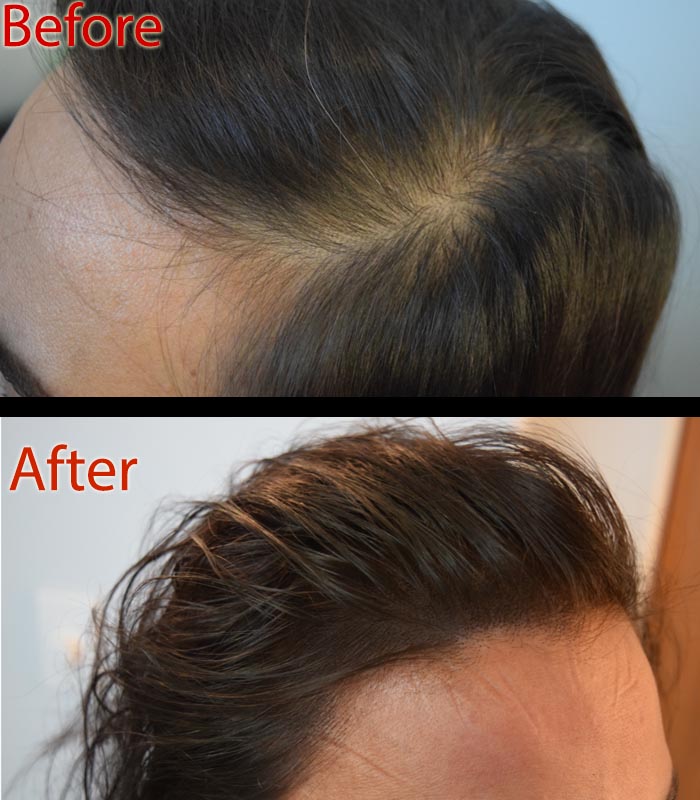
Seborrheic dermatitis rarely stays quiet. It brings flakes, redness, and a stubborn itch that returns after every wash. For some people, though, a bigger worry arrives later: thinner patches and extra strands in the sink. That shift can make seborrheic dermatitis hair thinning feel far more personal than a few flakes on a collar.
Why the Scalp Reacts This Way?
The condition itself rarely destroys follicles. However, ongoing inflammation stresses the scalp, and constant scratching can loosen or snap hairs. Heavy scaling also makes normal shedding look dramatic. On top of that, an overgrowth of Malassezia yeast can feed the irritation and keep flares going. As a result, the hair growth cycle wobbles, and thinning becomes easier to notice.
Can Seborrheic Dermatitis Cause Hair Loss?
Yes, but usually only temporarily. The inflammation and scratching push more hairs into the resting phase, a pattern called telogen effluvium. Those hairs then shed together several weeks later. Fortunately, this loss rarely means permanent damage. Still, if thinning lingers, another cause like genetic pattern loss may be hiding underneath.
Does the Hair Grow Back?
In most cases, it does. Once you calm the inflammation and stop scratching, follicles usually recover. Regrowth takes patience, though, since hair returns slowly across several months. Even so, density may not fully bounce back when genetic thinning overlaps. Therefore, a dermatologist should check any shedding that outlasts the flakes and redness.
Spotting the Difference From Genetic Thinning
The two can look alike, yet small clues help. Seborrheic dermatitis usually arrives with flakes, itch, and redness, and the shedding eases once the scalp settles. Genetic thinning, by contrast, creeps along quietly with no irritation at all. So track your symptoms closely. If hair keeps falling after the itch fades, ask a professional to dig deeper.
Scalp Health Must Come Before Any Camouflage
Here is the step many people rush. An active flare is no place for cosmetic work. Redness, crusting, broken skin, and raw patches make the scalp unsuitable for scalp micropigmentation. SMP needs a calm, healthy surface to hold pigment evenly. So control the condition first, then consider camouflage. Skipping ahead only risks patchy, unpredictable results.
Travel and Weather Can Stir Things Up
Seborrheic dermatitis reacts badly to sudden change. Cold, dry air can trigger a flare, while stress and poor sleep add fuel. Travel stacks these problems together. Long flights, unfamiliar shampoos, heat, and sweat can all upset the scalp. Meanwhile, bright hotel lights and wet hair after swimming can make seborrheic dermatitis hair thinning look worse than it truly is.
How SMP Camouflages What Remains?
SMP does not cure the condition, and it does not regrow hair. Instead, a specialist places tiny, color-matched pigment dots between your existing strands. This shading shrinks the gap between hair and bare scalp. For thinning around the crown or part, that subtle depth reads as fuller density. Better yet, it stays put through sweat, weather, and travel, unlike powders and fibers that wash away.
Choose an Arizona SMP Specialist, Not Just A Tattoo Artist
If treatment settles the dermatitis but the scalp still shows through, SMP can be a smart cosmetic next step. It also helps when hair growth serums promise density yet never quite deliver. However, choose your scalp practitioner in Arizona with care.
Lately, many tattoo artists advertise SMP without proper training, and a sensitive, flare-prone scalp raises the stakes. A true SMP specialist in Arizona understands scalp health, pigment placement, and the right time to begin. First, control the condition. Then, if there are visible signs of thinning, a skilled SMP professional can gently camouflage what seborrheic dermatitis left behind.
You can trust professional scalp artists at DermiMatch Clinic for the job. They have hands-on experience in handling such cases and helping you find if scalp micropigmentation is the right choice for your condition.