CALL TODAY! 480-788-2432
CALL TODAY! Service: 480-788-2432 | Products: 833-436-4247
Categories
scalp micropigmentation

Depression and Thinning Hair: Why SMP Brings Real Hope?

Low days seldom stay inside your head. Depression can drain your energy, disturb your sleep, and change how your body works. For many people, those changes eventually show up on the scalp. That’s why it is not wrong to say that depression and thinning hair are connected.

If you face thinning hair during a hard season, you have probably wondered whether anything can change what you see in the mirror right now. There is an answer, and most people have never heard of it.

How Depression and Thinning Hair Work Together?

Depression often travels with chronic stress, which keeps your cortisol levels high. That stress signal can push healthy follicles out of their growing phase too early. Doctors call this telogen effluvium. Two to three months later, those resting hairs shed. As a result, you notice diffuse shedding across the whole scalp.

Meanwhile, depression quietly erodes the habits that feed your hair. Skipped meals lower your iron and protein intake. Broken sleep interrupts cell repair. Even basic scalp care slips when getting out of bed feels hard.

Travel, Stress, and Scalp Health

Jet lag scrambles your sleep, while airport food and dry cabin air weaken your routine. So pack a gentle shampoo, drink water on long flights, and skip tight ponytails that tug on fragile strands. These small steps protect scalp health while your body recovers.

Can Depression Cause Thinning Hair Directly?

Researchers describe the link as indirect, yet real. Depression itself does not attack follicles. Instead, the stress, poor nutrition, and sleep loss around it do the damage. The relationship also runs both ways. Visible hair loss can deepen low mood and anxiety, so each problem feeds the other. That makes support for your mood just as important as scalp care.

Can Antidepressants Cause Hair Shedding?

Some can, although it remains uncommon. Research links certain medications, including bupropion, with a higher risk of shedding. Still, never stop a prescription on your own. Raise the concern with your doctor instead.

Does Hair Grow Back After Stress-Related Shedding?

Often, yes. Once stress eases, most follicles restart their normal cycle within six to nine months. However, depression can linger or return. Many people also carry genetic pattern baldness underneath, so the loss never fully reverses.

That leaves many people stuck in limbo. They wait, they hope, and they check the mirror every morning. But what if you did not have to wait for your follicles at all?

Can SMP Help Depression and Thinning Hair?

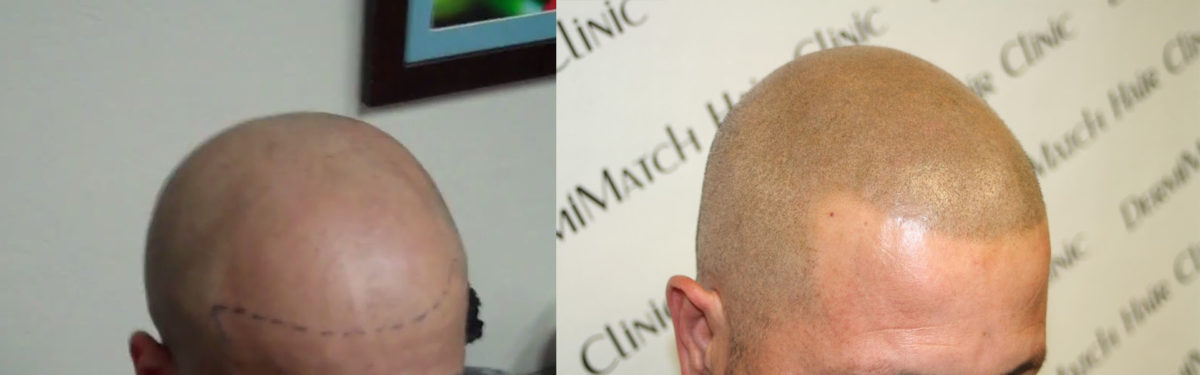
Yes, and it works on a different principle. Scalp micropigmentation places thousands of tiny pigment deposits into the upper skin. Each deposit mimics a natural follicle. For diffuse thinning, SMP fills the gaps between existing strands, so light no longer bounces off exposed skin. Your hair instantly looks thicker.

Does SMP Look Natural?

In skilled hands, it looks completely real. A trained practitioner matches pigment to your skin tone and varies dot size to copy genuine follicle patterns. Most clients reach their full result after two or three sessions.

Why SMP Offers Hope When Serums Fail

Hair growth serums depend on follicles that still respond. Many people apply them for months, only to see the same scalp staring back. SMP skips that waiting game. It delivers a reliable result that stress, travel, or a bad month cannot wash away.

However, choose your scalp artist in Arizona carefully. Today, many tattoo artists advertise SMP after a short weekend course. The wrong needle or deep placement can leave blurred dots and a blue-green fade. So look for a dedicated Arizona SMP specialist with healed-result photos and proper certification. Your scalp deserves an expert, not an experiment.

DermiMatch Clinic is the right place to find top scalp micropigmentation professionals even if you are suffering from depression and thinning hair.
Categories
scalp micropigmentation

Female Hair Loss: How SMP Eases the Emotional Weight?

When female hair loss begins, the mirror can feel like an enemy. You spot a wider part, more scalp under bright light, or a thinner ponytail. Suddenly, small daily moments carry weight. Many women start scanning their hair constantly. Some skip photos, dodge windy afternoons, or avoid the pool. This is where thoughtful female hair loss solutions truly matter, because the struggle rarely stays on the scalp alone.

Why Female Hair Loss Hits So Hard Emotionally

Hair ties closely to identity, femininity, and confidence. Therefore, when density fades, self-image often fades with it. Research links thinning hair in women to anxiety, low self-esteem, and social withdrawal.

On top of that, society still treats women’s hair loss as something to hide. As a result, many women grieve quietly and carry the stress alone. That silence makes the emotional toll feel heavier than the physical change itself.

Can Female Hair Loss Grow Back?

This question comes up constantly, and the honest answer is sometimes. Temporary shedding from stress, illness, pregnancy, or a nutrient gap can reverse once the trigger passes. However, female pattern hair loss works differently. Over time, follicles shrink and produce finer strands, so the thinning slowly progresses. Early advice from a dermatologist helps you learn the type of your hair loss.

Does Stress Make Female Hair Loss Worse?

Yes, and the cycle can feel cruel. Intense stress pushes more hairs into the resting phase, a condition called telogen effluvium. Then, weeks later, those hairs shed together. Naturally, seeing the extra fall creates more stress, which can fuel even more shedding. Managing that stress early gives your scalp the best chance to settle.

How Does Travel Expose the Problem?

Hair loss never takes a holiday. Humidity can flatten fine strands, while strong sun highlights the scalp. Swimming can wash away fibers and concealers, and hotel bathrooms often glare with harsh overhead lights. Consequently, a trip meant for rest becomes another round of checking and covering. Many women pack extra products just to feel secure.

Do Hair Growth Serums Actually Help?

Serums and minoxidil can support some women, especially with early or stress-related shedding. Still, results vary, and most options demand months of steady use. For diffuse thinning that already shows scalp, serums may never deliver the density you hoped for. That gap is exactly where women start hunting for a more reliable answer.

Where Scalp Micropigmentation Fits In?

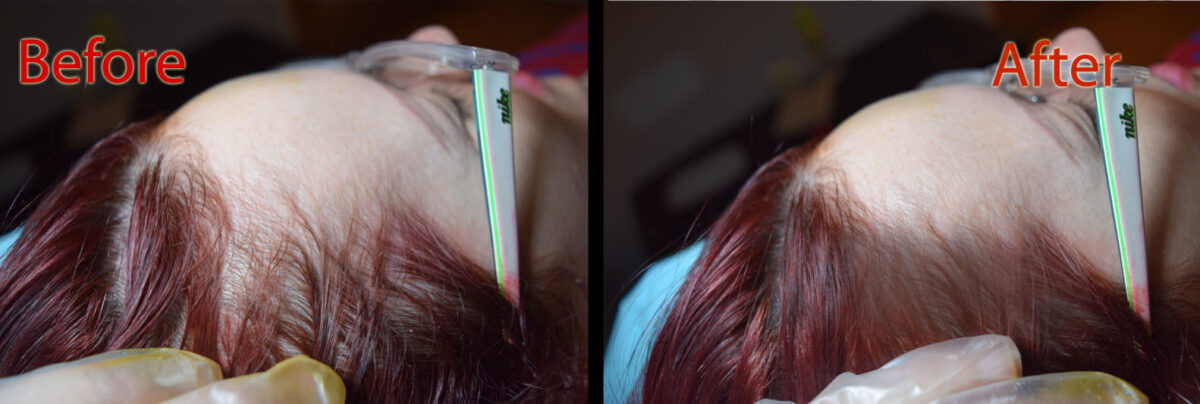
Scalp micropigmentation, or SMP, offers a fresh route. It does not regrow hair. Instead, a trained Arizona SMP specialist places tiny pigment impressions into the scalp to shrink the contrast between hair and skin. For women with diffuse thinning, that shift makes the scalp look fuller and the part far less obvious.

SMP also holds up through sweat, workouts, weather, and travel. You will not have to chase concealers each morning or fear the rain. Better still, healthy scalp skin and your existing hair blend with the pigment for a soft, natural finish.

Choosing SMP When Serums Fall Short

When medical care and hair growth serums fail to give you the density you want, SMP can bring cosmetic relief without the long wait for regrowth. In short, it helps you spend less time hiding and more time enjoying life.

Still, choose your provider with real care. SMP demands proper training, precise pigment matching, and a deep grasp of female thinning patterns. Lately, many tattoo artists advertise SMP without that expertise. A true SMP specialist builds believable density and never leaves the scalp looking tattooed. So, when you weigh female hair loss solutions, treat the Arizona scalp micropigmentation provider skill as your first filter. The right hands protect both your look and your confidence.

Looking for one now? Consult DermiMatch Clinic scalp experts for reliability, expertise, and professionalism.

Categories
scalp micropigmentation

How SMP Camouflages Seborrheic Dermatitis Hair Thinning?

Seborrheic dermatitis rarely stays quiet. It brings flakes, redness, and a stubborn itch that returns after every wash. For some people, though, a bigger worry arrives later: thinner patches and extra strands in the sink. That shift can make seborrheic dermatitis hair thinning feel far more personal than a few flakes on a collar.

Why the Scalp Reacts This Way?

The condition itself rarely destroys follicles. However, ongoing inflammation stresses the scalp, and constant scratching can loosen or snap hairs. Heavy scaling also makes normal shedding look dramatic. On top of that, an overgrowth of Malassezia yeast can feed the irritation and keep flares going. As a result, the hair growth cycle wobbles, and thinning becomes easier to notice.

Can Seborrheic Dermatitis Cause Hair Loss?

Yes, but usually only temporarily. The inflammation and scratching push more hairs into the resting phase, a pattern called telogen effluvium. Those hairs then shed together several weeks later. Fortunately, this loss rarely means permanent damage. Still, if thinning lingers, another cause like genetic pattern loss may be hiding underneath.

Does the Hair Grow Back?

In most cases, it does. Once you calm the inflammation and stop scratching, follicles usually recover. Regrowth takes patience, though, since hair returns slowly across several months. Even so, density may not fully bounce back when genetic thinning overlaps. Therefore, a dermatologist should check any shedding that outlasts the flakes and redness.

Spotting the Difference From Genetic Thinning

The two can look alike, yet small clues help. Seborrheic dermatitis usually arrives with flakes, itch, and redness, and the shedding eases once the scalp settles. Genetic thinning, by contrast, creeps along quietly with no irritation at all. So track your symptoms closely. If hair keeps falling after the itch fades, ask a professional to dig deeper.

Scalp Health Must Come Before Any Camouflage

Here is the step many people rush. An active flare is no place for cosmetic work. Redness, crusting, broken skin, and raw patches make the scalp unsuitable for scalp micropigmentation. SMP needs a calm, healthy surface to hold pigment evenly. So control the condition first, then consider camouflage. Skipping ahead only risks patchy, unpredictable results.

Travel and Weather Can Stir Things Up

Seborrheic dermatitis reacts badly to sudden change. Cold, dry air can trigger a flare, while stress and poor sleep add fuel. Travel stacks these problems together. Long flights, unfamiliar shampoos, heat, and sweat can all upset the scalp. Meanwhile, bright hotel lights and wet hair after swimming can make seborrheic dermatitis hair thinning look worse than it truly is.

How SMP Camouflages What Remains?

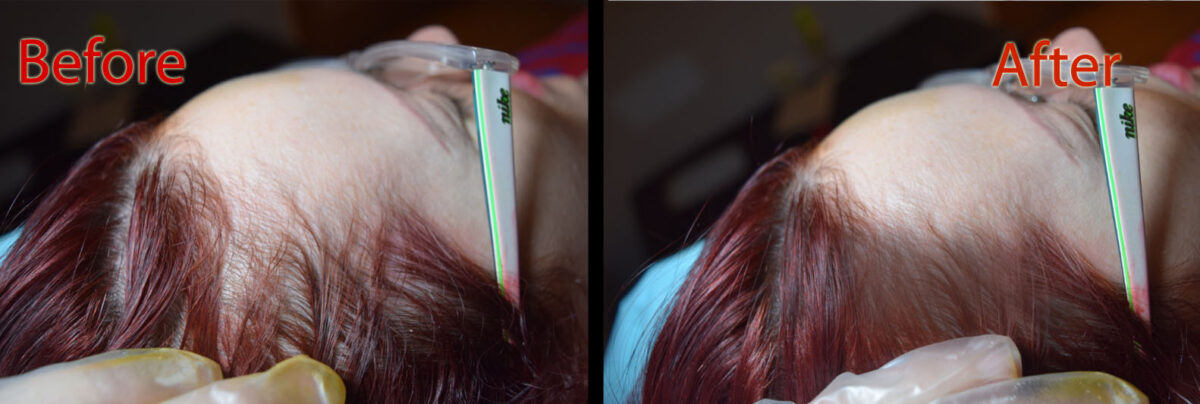
SMP does not cure the condition, and it does not regrow hair. Instead, a specialist places tiny, color-matched pigment dots between your existing strands. This shading shrinks the gap between hair and bare scalp. For thinning around the crown or part, that subtle depth reads as fuller density. Better yet, it stays put through sweat, weather, and travel, unlike powders and fibers that wash away.

Choose an Arizona SMP Specialist, Not Just A Tattoo Artist

If treatment settles the dermatitis but the scalp still shows through, SMP can be a smart cosmetic next step. It also helps when hair growth serums promise density yet never quite deliver. However, choose your scalp practitioner in Arizona with care.

Lately, many tattoo artists advertise SMP without proper training, and a sensitive, flare-prone scalp raises the stakes. A true SMP specialist in Arizona understands scalp health, pigment placement, and the right time to begin. First, control the condition. Then, if there are visible signs of thinning, a skilled SMP professional can gently camouflage what seborrheic dermatitis left behind.

You can trust professional scalp artists at DermiMatch Clinic for the job. They have hands-on experience in handling such cases and helping you find if scalp micropigmentation is the right choice for your condition.

Categories
scalp micropigmentation

Visible Scalp and Hair Thinning: A Reality Check

No doubt, visible scalp and hair thinning are a reality, and you are wary of those thinning locks. Of course, you want lustrous and healthy hair, right? But if you are struggling with thinning hair and visible scalps. There are several causes of hair shedding and thinning, from stress to environmental factors, hormonal changes, and dietary imbalance. Several medications and treatments may also result in scalp problems. Then there are some medical conditions, such as thyroid, that cause hair loss. irrespective of the cause of hair loss, you want to understand the hair growth cycle first.

Visible Scalp: A Miserable Reality

If you have thinning hair or are follically challenged, there is a likelihood that you are inching closer to the fate of a visible scalp soon. Of course, it is quite irksome and irritating. You know the frustration that comes along when you can see signs of a visible scalp through your locks. The reality is that there is no magic solution to restore your hair. Does that mean you have to live with this fate?

Well, luckily, no. You can minimize its impact on your appearance. Let’s talk about the hair restoration solution that can help you feel confident about your personality again!

Causes of Thin Hair

A hair follicle connects each strand of hair to the scalp. Imagine a situation when the follicle becomes weak, hair strands start to thin out. Hair thinning may also result from:

  • Alopecia areata is one of the major causes of hair thinning.
  • Over-treating Your Hair can weaken the roots and follicles.
  • Hormonal imbalance can cause thinning of hair strands.
  • Dietary choices or an unbalanced diet can weaken the whole body and cause hair shedding.
  • Chronic stress can result in hair shedding as the body enters fight or flight mode in stress. As a result, existing strands can weaken and become thin.

Do Natural Oils Help Thinning Hair?

Natural oils have therapeutic properties and can help nourish the follicles and stimulate hair growth. When you massage your scalp with natural oils, it can promote blood circulation and strengthen strands. No doubt, oil massage can induce hair growth but ‍it will not happen overnight. Massage can stimulate the growth of hair only in certain cases of hair loss. It is no one-stop solution for all.

Does Eating Healthy Foods Help?

Dietary intervention can help improve your overall health. This includes healthy hair too. But you ought to continue with this dietary change for a long time to see the transformation in your hair, that too if your hair loss is caused by poor food choices. Try including more omega-3, protein, folate, biotin, iron, and zinc in your diet to promote healthy hair growth.

Avoid Hair Styling Products

Hair styling tools that heat your hair can damage the strands. Heat can cause severe hair shedding and thinning hair.

Best Hair Treatments for Thinning Hair

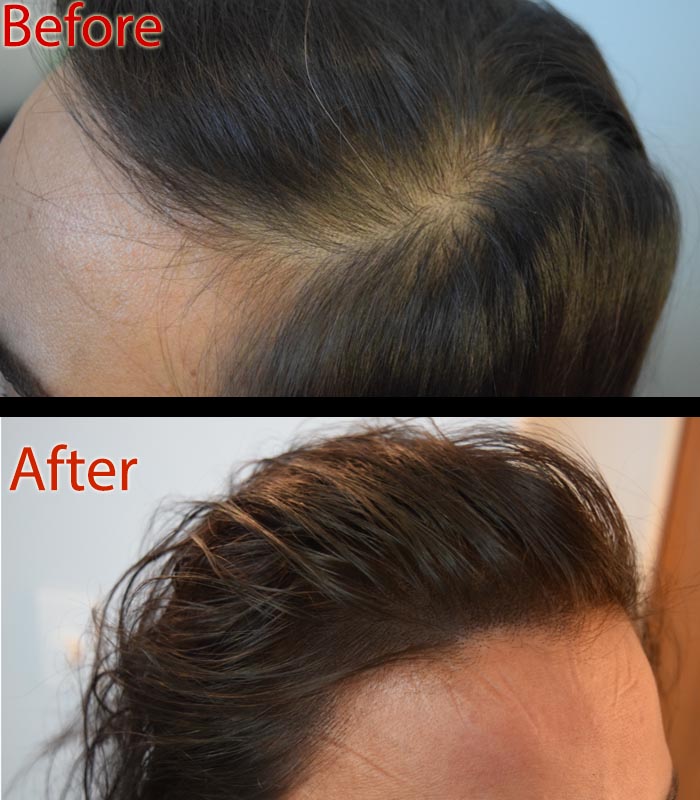
If you want to try out the best thinning hair treatment, then look no further than scalp micropigmentation. SMP for hair thinning can help restore your old charm, creating a look of hair density with pigmented dots. This diminishes the visibility of hair strands and creates a fuller hair look.

The best thing about SMP in Phoenix is that it is a non-surgical, permanent hair loss solution.

DermiMatch Clinic is a trusted name in the SMP industry. Their Phoenix SMP professionals are experts in hair density treatment and can help regain your confidence. Consult the team of scalp experts today to overcome the problem of thinning hair!

Categories
scalp micropigmentation

Does Biotin for Hair Loss Work

Hair loss is one sight that everyone hates. You, too, are not an exception either. Now you might be wondering if there is a solution to hair loss. Of course, you have heard a lot about biotin for hair loss. What is it? How does it help? Let’s explore if biotin is the solution for hair restoration and how SMP scalp micropigmentation in Arizona might help your cause.

What is Biotin for hair loss treatment?

Biotin or Vitamin H is known to help with hair growth. It is also believed to contribute to the health of skin and nails too. Vitamin H is a water-soluble vitamin that belongs to B-vitamin family. The body converts certain nutrients into energy with the help of biotin. Hair loss might be a result of a lack of biotin in the diet. You may experience a scaly red rash if you are deficient in biotin, though deficiency is rare as a normal diet has a sufficient amount of vitamin H.

Biotin plays a role in improving the keratin infrastructure that strengthens hair roots and boosts skin health. It might help with hair thinning and shedding. There is not too much evidence to suggest how increasing biotin supplementation might promote hair growth. Research is still underway to explore biotin for hair loss benefits.

Egg yolks, walnuts, almonds, peanuts, bananas, legumes, cauliflower, and whole grains are food sources of biotin.

Biotin may have adverse effects on some people, which may include nausea, cramping, and diarrhea. The research into biotin is still growing, but scientists have found that some patients experience cramping, nausea, and diarrhea after incorporating biotin into their routines.

The DermiMatch Solution to Hair Loss

It’s permanent and does not have any side effects. Yes, we are talking about SMP in Phoenix, Az. If you are experiencing hair loss, thinning, shedding, or a receding hairline, we understand it’s tough for you to overcome the situation. No doubt, you should focus on a healthy nutritious balanced diet to nourish your body for overall wellbeing and proper development. Hair loss is one area that might need something extra to stem. But when that does not happen, you can look up to scalp micropigmentation.

SMP offers a permanent solution for hair restoration for men and women suffering from hair loss, alopecia, pattern baldness. The procedure is non-invasive and can hide scars, thinning hair and receding hairline. It can give you a buzzed-cut look that can help restore your self-confidence and self-esteem. With scalp micropigmentation, you can add density to a thinning or receding hairline.

You can trust our scalp artists to do the job of scalp micropigmentation on your scalp. We pride ourselves on our SMP scalp micropigmentation in Arizona expertise and can help determine what will work best for you. Get in touch with us for a consultation today. What’s stopping you from getting a new look that you have always desired with the guarantee of 100% satisfaction?