
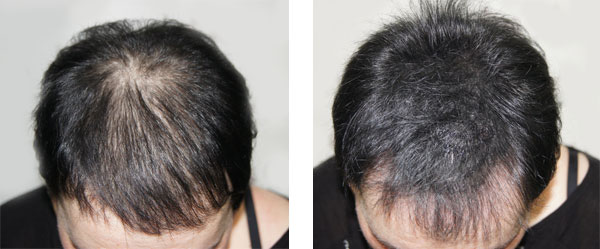
Losing hair is tough at any age. In your teens and early twenties, though, it can sting even harder. School, friendships, dating, and a nonstop scroll through social media all pile. So when a hairline creeps back or the scalp starts to show, a young person can suddenly feel out of step with everyone around them. Premature balding rarely stays a private worry — it shapes how confident someone feels every single day.
Is Premature Balding Normal in Teens?
A little daily shedding is completely normal. Bald patches, a widening part, or a hairline that shifts fast, however, deserve a proper look. Premature balding in young people has many possible triggers. Genetics can switch on pattern baldness soon after puberty.
Stress, illness, or rapid weight loss can spark telogen effluvium. Alopecia areata leaves round bald spots, while tight ponytails and man-buns tug hair out along the edges. Because the causes differ so much, a dermatologist should assess serious shedding before anyone reaches for a cosmetic fix.
Can Puberty Trigger Hair Loss?
Yes, sometimes. Puberty reshuffles hormones, and those swings can disturb the growth cycle. In some teens, genetic pattern baldness also begins right after this stage. Still, early shedding does not doom every young person to a bald crown. A doctor may spot a temporary or treatable cause, and prompt care can turn things around before the loss sets in.
Can Young Hair Loss Grow Back?
Often it can. Hair usually returns after stress, weak nutrition, illness, or traction — as long as the follicles stay healthy and the trigger fades. Other forms, sadly, keep advancing. Genetic premature balding, for instance, tends to progress no matter how clean the diet or how many supplements land in the cart. That is exactly why teens should not pin every hope on a serum or the latest viral hair hack.
How Does Hair Loss Dent Teen Confidence?
Hair often ties straight into identity during adolescence. When it thins without warning, a teenager may dodge photos, live in a beanie, or shrink back in social settings. Parents should treat those feelings as real, not vain. After all, appearance and peer acceptance carry huge weight at this stage, and premature balding can chip away at self-esteem fast.
When Does SMP Become an Option?
Scalp micropigmentation never regrows hair. Instead, a skilled specialist taps tiny pigment dots into the scalp to copy closely shaved follicles or soften the gap between hair and bare skin. For an eligible young adult with stable or permanent loss, SMP can firm up a hairline, add the look of density, or finish a clean shaved-head style.
However, it should never be the first move for a minor with unexplained shedding. Age limits vary, and many regions bar SMP under 18. A responsible artist will also insist on a clear diagnosis before designing a lifelong hairline.
When Serums Fall Short, Consider SMP
Hair growth serums and medical treatments help some causes, yet they promise nothing when premature balding stems from genetics. For young adults whose scalp still shows after proper care, SMP offers a steady alternative to daily fibers, sprays, and careful comb-overs.
Pick your provider with real caution, though. Younger clients need thoughtful planning, since both the face and the balding pattern keep shifting over time. Plenty of tattoo artists now market SMP, but scalp work demands different pigments, needle depth, and design skill than regular tattooing.
Choose an Arizona SMP specialist with dedicated training and a portfolio of healed results. When serums fail and a doctor confirms lasting loss, scalp micropigmentation can quietly reduce visible scalp — and hand a young person their confidence back.
Consult with the leading scalp artists in Arizona at DermiMatch Clinic now.