
Walk down any pharmacy and you’ll see the business of baldness up close. Biotin gummies, caffeine shampoos, laser caps, and thickening sprays all compete for your attention. Together, they feed a global industry worth billions of dollars every year.
Still, most buyers want something simple. They want a fuller look that holds up in daylight. That gap between promise and payoff explains why so many people now turn to scalp micropigmentation for hair restoration.
Where Does the Hair Loss Money Go?
Most spending lands in three buckets. First come topical and oral products that aim to slow shedding. Next come surgical procedures, such as follicle transplants. Finally, cover-ups like fibers, toppers, and wigs fill the gaps.
Each option carries a catch. Products need daily use for life, and stopping often brings the shedding back. Surgery depends on healthy donor hair and, of course, a hefty budget. Cover-ups smudge in the rain, slide off at the gym, and turn a beach holiday into a stressful one.
What Makes SMP Different?
Scalp micropigmentation works on appearance rather than biology. A trained practitioner places thousands of tiny pigment dots into the scalp’s upper layer. Each dot copies the look of a short hair follicle.
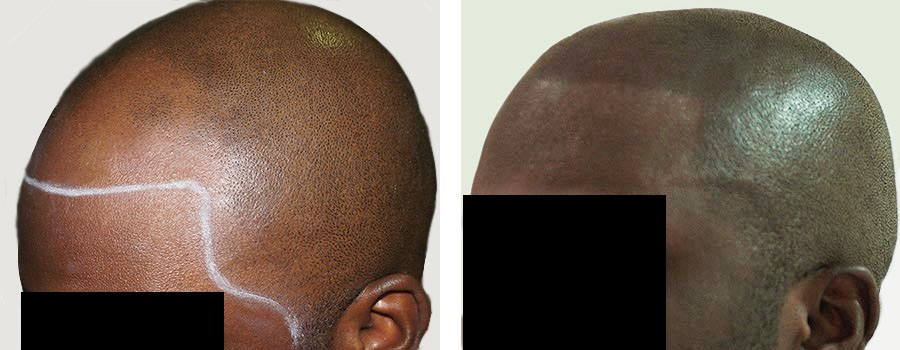
On a fully bald head, the result resembles a sharp buzz cut. Over thinning areas, the dots shrink the contrast between skin and hair, so the scalp looks denser. SMP also blends transplant scars and patchy spots from alopecia.
Is SMP Cheaper Than a Hair Transplant?
In most cases, yes. A full SMP treatment typically costs a fraction of a large transplant. Better yet, you skip surgery, stitches, and months of waiting for grafts to grow.
Price alone shouldn’t decide your choice, though. Ask for a full quote that covers every session and future touch-ups. Then weigh the total against years of buying serums and concealers.
How Long Does SMP Last?
Healed SMP usually stays crisp for four to six years. After that, the pigment softens gradually, and a quick refresh restores the original depth.
Sun exposure speeds fading, so wear a hat or scalp sunscreen on outdoor trips. Gentle cleansers and moisturizer also keep your scalp healthy and the dots sharp. Unlike fibers, SMP survives flights, swims, and humid cities without a second thought.
Great SMP Starts With Customization
Natural results never come from a template. A skilled SMP specialist first studies your skin tone, hair color, and undertone, then mixes pigment to match. Next, they design dot size, density, and placement around your natural hair pattern.
The hairline matters most. A good artist shapes it to suit your age and face, softening the edges so it never looks drawn on.
Does SMP Look Natural Up Close?
It does when a specialist handles the work. Varied dot sizes and careful spacing mimic real stubble, even in bright sunlight. Rushed work, however, shows quickly through heavy, uniform dots.
When serums, shampoos, and supplements stop delivering, SMP gives you visible density without surgery or daily upkeep. That reliability is why it now leads modern hair restoration.
Yet the boom has attracted tattoo artists who add SMP to their menu after minimal training. Their needles, inks, and depth often suit body art, not scalps. The results can blur, spread, or fade blue. So, review healed portfolios, ask about dedicated SMP certification, and check hygiene standards.
Book a consultation with an Arizona SMP specialist like those at DermiMatch Clinic and invest in a look that complements your style.