
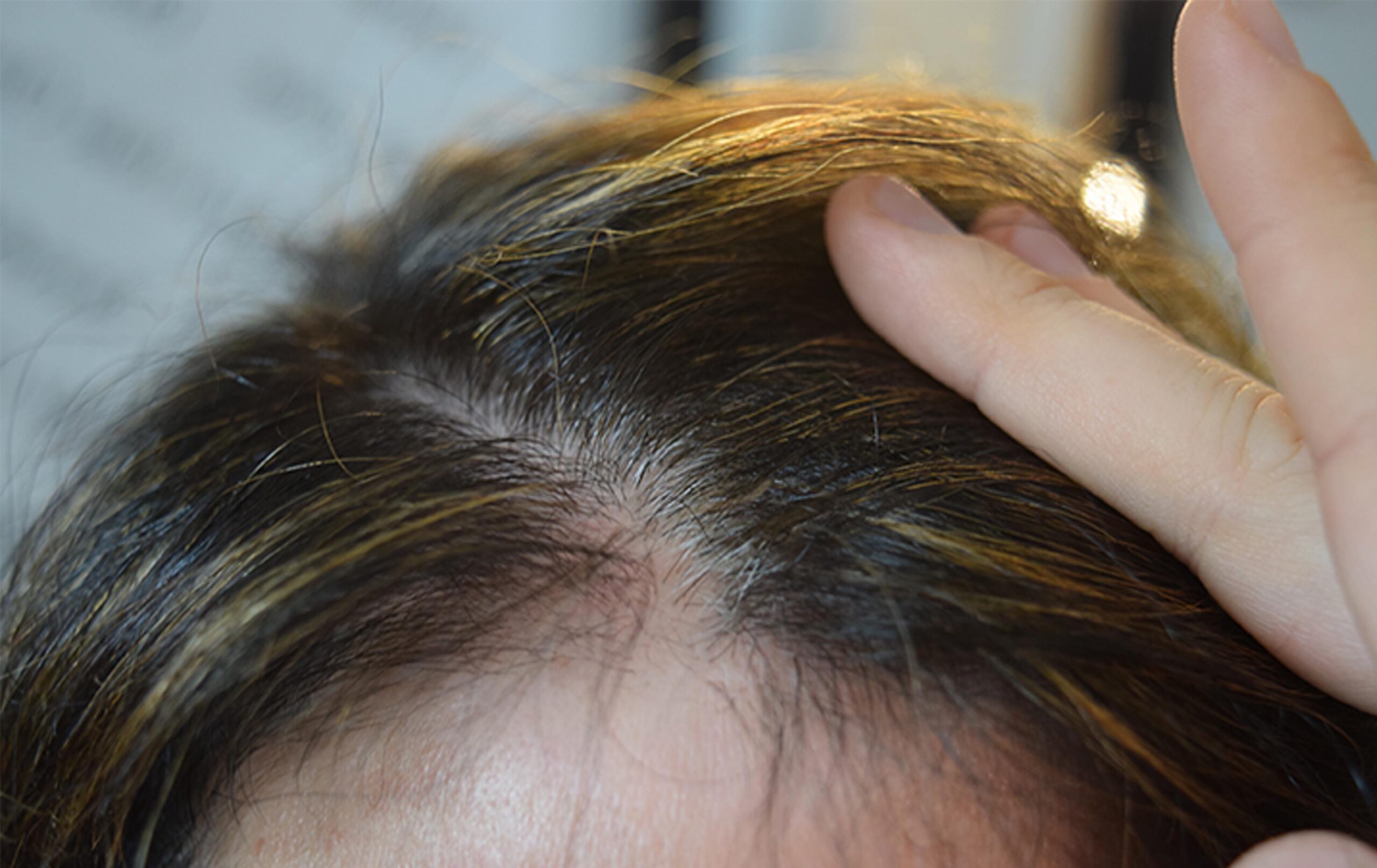
Ever notice more hair in your brush than usual? Hair loss from stress is a reality. When you’re stressed for too long, your body pumps out cortisol. That’s your main stress hormone.
A little cortisol is fine. It helps you handle everyday challenges. But when stress becomes chronic and cortisol stays high for weeks or months, your hair pays the price. You’ll see thinning, shedding, and your hair just won’t look as thick as it used to.
How Hair Loss From Stress Occurs?
Here’s what happens. Your hair naturally goes through growth, transition, and rest phases. When cortisol levels spike and stay elevated, it messes up this whole cycle. Your hair follicles get pushed out of their growth phase way too early. They skip ahead to the resting stage and eventually fall out.
This pattern has a name. It’s called telogen effluvium. The tricky part? You won’t see the shedding right away. It typically shows up two to three months after whatever stressed you out. That’s because your hair cycle has a built-in delay.
But there’s more going on. High cortisol actually slows down the stem cells in your follicles. These cells are supposed to create new hair, but they go dormant instead. Meanwhile, inflammation increases around your follicles. That cuts off blood flow and the nutrients your scalp desperately needs. And cortisol doesn’t work alone. It interferes with your thyroid and reproductive hormones, too. Those hormones are essential for healthy hair growth.
Can Stress Hair Loss Be Reversed?
Here’s the good news. Hair loss from stress and cortisol isn’t permanent. If you learn to deal with stress, cortisol comes back to normal, and follicles can wake up again. They’ll re-enter their growth phase and start making new hair.
But recovery isn’t quick. You might wait three to six months before you see new growth. Full restoration can take up to a year.
You’ll need patience. And you’ll need to make real lifestyle changes to keep stress under control.
Common Signs of Cortisol-Related Hair Loss
How do you know if stress is causing your hair loss? Look for these signs.
Hair falls out across your whole scalp. It’s not just your temples or one specific spot. You’ll notice way more hair on your pillow, in the shower drain. Your hairbrush should have its share of shed hair.
Your ponytail feels thinner. The part in your hair looks wider. Some people also get scalp inflammation, itchiness, or weird dryness alongside the thinning.
How Long Does Stress Hair Loss Last?
Stress-induced hair loss typically continues for three to six months after the stressful event. Sometimes chronic stress extends the shedding beyond six months. It really depends on how quickly you can lower your cortisol and deal with what’s stressing you out.
Natural regrowth happens slowly. Even after the shedding stops, you’ll only get about half an inch of new hair growth per month.
But your hair still looks thin. These approaches definitely help manage stress and support your overall health. But they don’t always deliver the visible hair restoration you’re hoping for.
If you’ve committed months to stress reduction without seeing real improvement, your hair might not bounce back through natural methods alone. This is especially true if your thinning has been severe or lasted a really long time.
How Scalp Micropigmentation Offers a Solution?
This is where scalp micropigmentation comes in. It’s a cosmetic treatment that creates the look of fuller hair. The technician deposits tiny pigments into your scalp. These pigments mimic real hair follicles.
Will it cure your hair loss? No. But it does something else. It camouflages the thinning incredibly well. For men and women whose hair still looks sparse even after managing stress, scalp micropigmentation delivers something natural remedies can’t. Immediate visual results are guaranteed.
Choosing Your SMP Artist Carefully
Now, even a tattoo artist claims to do scalp micropigmentation.
However, remember, scalp micropigmentation is not the same as tattooing. It requires specialized training and an understanding of scalp anatomy. Arizona SMP professionals are skilled in creating natural-looking hair patterns.
A poorly done SMP treatment looks too dark, uneven, and fake.
Don’t settle for someone who learned SMP as a side gig. You need a true Arizona scalp micropigmentation specialist. Someone who understands how to replicate real follicles. Someone who can deliver results that look authentically natural.
When you deserve nothing less than the best, trust DermiMatch Clinic professionals for the job.