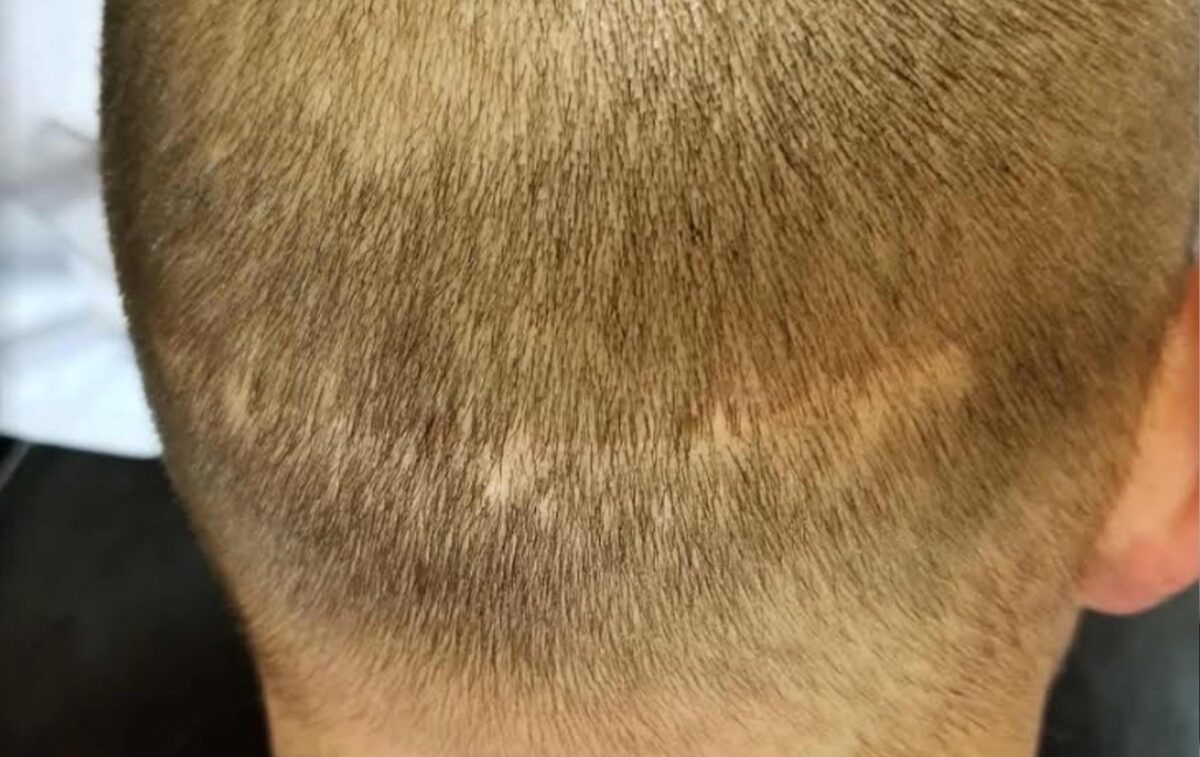
Scarring alopecia treatment begins with understanding that this condition destroys hair follicles permanently. Unlike temporary hair loss, where follicles remain intact, scarring alopecia replaces healthy follicles with fibrous scar tissue. Once it happens, no current scarring alopecia treatment can stimulate new follicle growth. The goal shifts from regrowth to stopping further damage and managing the cosmetic appearance of bald patches. This reality frustrates many who search desperately for scarring alopecia treatment options that promise restoration.
Types of Scarring Alopecia Treatment Options
There are different types of alopecia. One type is, central centrifugal cicatricial alopecia affects primarily Black women, often starting at the crown and spreading outward.
Another type of scarring alopecia includes lichen planopilaris, which causes itching, burning, and smooth bald patches.
Frontal fibrosing alopecia creates a receding hairline along the front and sides of the scalp. Folliculitis decalvans involves bacterial infection and pustules.
Each type requires different scarring alopecia treatment approaches, but all share one common feature: once follicles are destroyed, hair cannot regrow naturally.
Can Scarring Alopecia Be Reversed With Medical Treatments?
The honest answer is no, complete reversal is not possible. Current scarring alopecia treatment focuses on stopping inflammation and preventing further follicle destruction. Dermatologists prescribe topical or oral corticosteroids to reduce inflammation.
Some patients try platelet-rich plasma (PRP) therapy or low-level laser therapy as an adjunct to scarring alopecia treatment. However, research shows these interventions work best when started early, before extensive scarring develops. Even with aggressive scarring alopecia treatment, many patients continue to experience progressive hair loss.
Why Natural Remedies and Supplements Do Not Work For Scarring Conditions?
Many people search for natural scarring alopecia treatment options, hoping that diet changes, vitamins, or essential oils will restore their hair. Unfortunately, scarring alopecia involves permanent destruction of stem cells within hair follicles so no natural remedies seem to work.
No vitamin supplement can regenerate destroyed follicles. Neither can essential oil reverse fibrosis. No dietary change can bring back hair in areas where scar tissue has replaced healthy follicles. While maintaining overall scalp health through gentle cleansing and avoiding harsh chemicals is important, these measures alone cannot serve as effective scarring alopecia treatment for established disease.
When Should You Consider Cosmetic Solutions Instead of Medical Treatment?
You may want to consider cosmetic alternatives if:
- You have tried scarring alopecia treatment for six months to a year with minimal improvement.
- Your condition has progressed to end-stage disease with extensive scarring.
- Dermatologists confirm your follicles are permanently destroyed.
Hair transplants often fail in scarred tissue because the hostile environment prevents transplanted follicles from surviving. Wigs and hairpieces work but require maintenance and may feel unnatural. This is where scalp micropigmentation becomes the most practical scarring alopecia treatment alternative for permanent cosmetic improvement.
How SMP Works When Biological Treatments Fail?
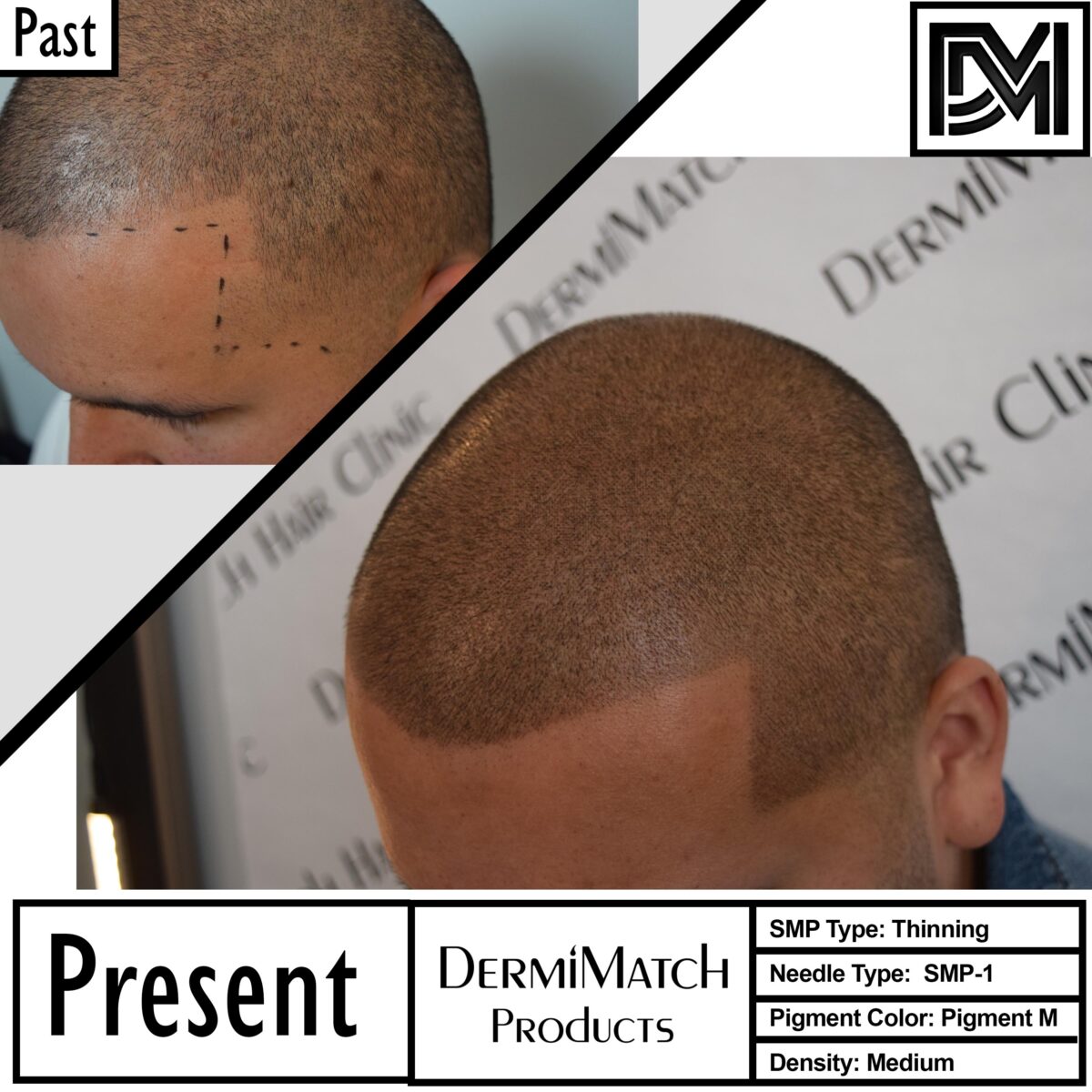
Scalp micropigmentation creates the visual appearance of hair density by depositing pigment into the scalp. For scarring alopecia treatment failures, SMP reduces the contrast between the bald scalp and existing hair. It simulates a fuller hairline and provides coverage in areas where follicles are gone forever.
SMP does not grow hair, but it restores confidence and delivers immediate visual results that medical scarring alopecia treatment cannot provide. The procedure works on all skin tones and can be customized to match your natural hair color and pattern.
Choosing the Right SMP Specialist for Scarring Alopecia
Not every SMP provider understands scarring alopecia treatment needs. Scarred tissue behaves differently from a healthy scalp.
Pigment retention can vary. Texture irregularities require specialized techniques. The influx of tattoo artists claiming to offer SMP has created a dangerous market where inexperienced practitioners damage already compromised scalp tissue. When seeking SMP as your scarring alopecia treatment alternative, demand to see portfolios specifically showing work on scarred scalps. Ask about their training in scar tissue pigmentation.
When looking for the best scalp micropigmentation hands, verify that they use medical-grade pigments designed for scalp tissue. Confirm they understand the unique challenges of working with inflammatory scalp conditions. Your scarred scalp deserves a specialist who knows the difference between cosmetic tattooing and medical-grade scalp micropigmentation for scarring alopecia treatment failures.
Luckily, you can trust Arizona scalp practitioners at the DermiMatch Clinic, who have helped thousands of people with scalp scarring issues camouflage the problem with scalp micropigmentation.
Choose wisely, because you deserve results that restore not just your appearance, but your confidence. Schedule a consultation with top scalp micropigmentation Arizona experts now.