
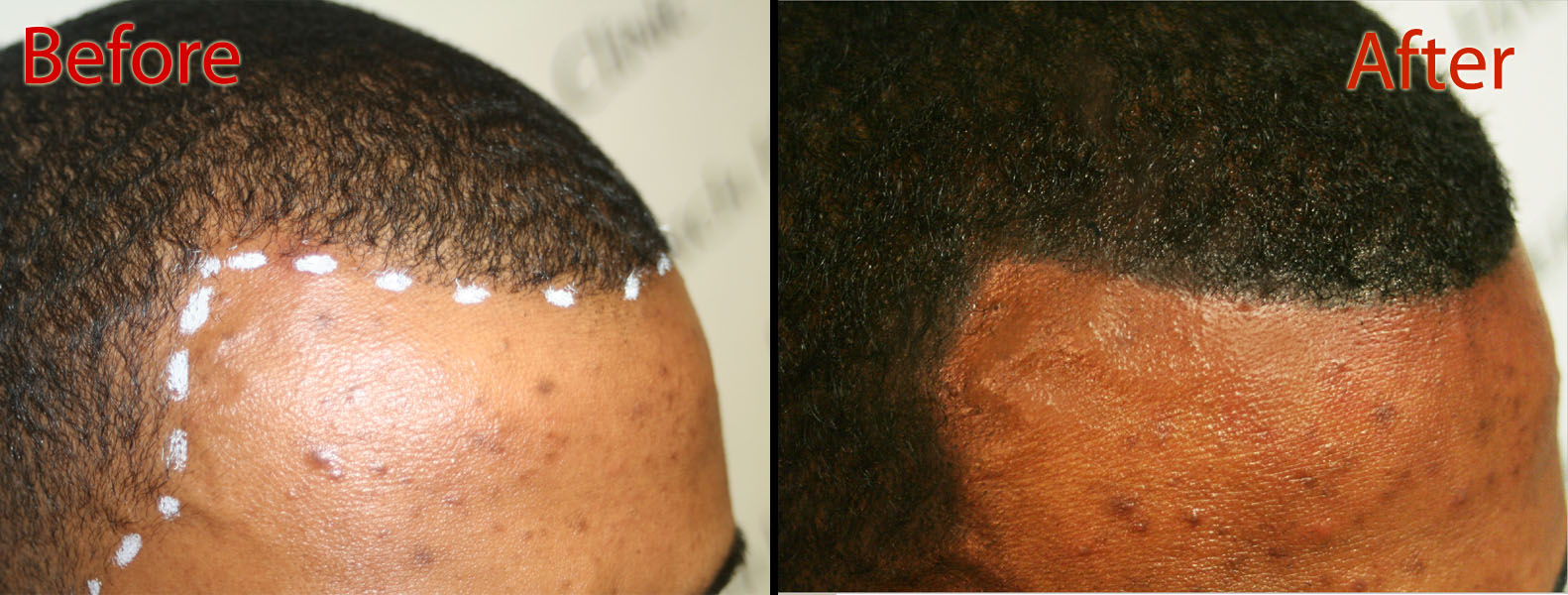
Hair rarely thins on its own. Often it arrives alongside a dry, flaky, or itchy scalp that makes every gap look wider. Dandruff highlights the skin between strands, while steady shedding slowly opens the part and exposes the crown. Understandably, that mix leaves people wondering whether treatment is even possible. In most cases, scalp micropigmentation for thinning hair still works well, as long as you get the sequence right rather than rushing in.
First, calm the scalp
Mild flaking will not stop you from booking a session. A red, sore, or heavily irritated scalp, however, needs care before any pigment goes in. Conditions like seborrheic dermatitis, psoriasis, eczema, or active breakouts can disturb both the work and the healing that follows.
So a good SMP practitioner studies your scalp first, and when the flaking looks stubborn and may not hesitate to send you to a dermatologist to find the cause. A calm, stable surface simply holds pigment better.
Does dry skin change how the pigment holds?
It can. Very dry skin sheds surface cells quickly, and that fast turnover may make retention less predictable and speed up fading. Because of this, preparation matters. Never scrub, pick, or peel the area to “clean” it beforehand. Once the scalp settles, the Arizona SMP artist lays down thousands of tiny impressions that mimic short follicles and shrink the contrast between hair and skin.
Can SMP help while you are still shedding?
Yes, though it helps to know what SMP actually does. It does not regrow hair or halt loss. Rather, it reduces the color gap between your scalp and the hair you keep, so density looks fuller. That distinction really matters with chronic shedding. Ongoing loss can stem from genetics, stress, illness, hormones, or poor nutrition, and heavy or sudden shedding deserves a proper check first. Armed with that answer, a skilled specialist plans the work around future change and rebalances the look later if the thinning shifts.
Will the treatment harm the hair you still have?
No, not when a trained specialist performs it correctly. Scalp micropigmentation for thinning hair implants the pigment in the upper scalp to create a cosmetic illusion, so it never replaces a follicle or relies on regrowth. That is exactly why it suits people who tried serums yet still watch their part widen or their crown show through. Your existing hair stays put while the pigment quietly fills the visible gaps around it.
Plan around travel, sweat, and sun
Timing extends beyond the treatment chair. Fresh SMP needs a few quiet days to settle, so schedule trips, workouts, and pool days with that window in mind. Your specialist may ask you to skip washing, heavy sweating, swimming, steam, and strong sun for a short stretch. This guidance counts double when your scalp already runs dry or reactive. Follow it closely, resist peeling any flakes, and shield the skin from harsh sun once it heals.
When serums stall, camouflage the thinning
Shampoos, supplements, and hair growth serums all promise thicker hair, yet many people still see scalp through their strands months later. When those bottles stop delivering, scalp micropigmentation for thinning hair offers a fast, realistic way to restore the look of density. Still, the result rides entirely on skill. Tattoo experience alone does not equal SMP training in follicle patterns, pigment depth, or shifting hair loss, and more tattoo artists now advertise scalp work without it. Choose a true SMP specialist who respects scalp health as much as the finished look. Done right, the result reads as hair, never ink.
DermiMatch scalp micropigmentation artists are experienced in SMP and have a track record of helping clients find realistic results for thinning hair.