
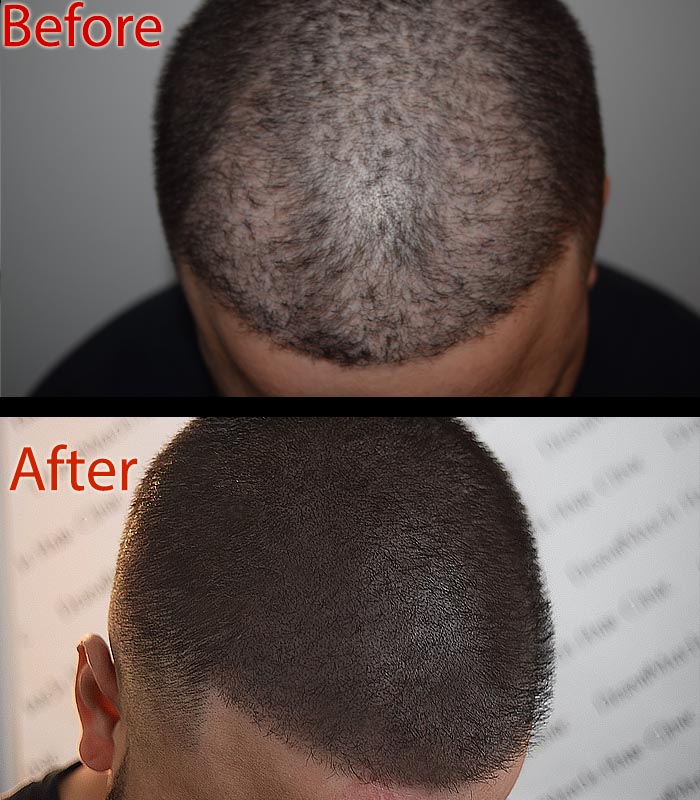
Most people expect hair loss to show up decades from now, not while they are still in school or just starting a career. Yet hair loss in teens and young adults is far more common than most people realize, and it carries a heavy emotional weight at an age when confidence and identity are still forming. If you notice a receding hairline, a wider part, or clumps of hair in the shower drain, you are not imagining things — and you are not alone.
Why Does Hair Loss Start So Early?
Several forces work against young hair. Genetics tops the list. Androgenic alopecia, the pattern hair loss that runs in families, can activate as early as mid-puberty. Hormonal surges during the teen years push some follicles into an early decline, especially in young men sensitive to DHT, a hormone that shrinks hair follicles over time.
Academic pressure, social anxiety, and the relentless pace of modern life trigger a stress-related shedding condition called telogen effluvium, where large numbers of follicles shut down simultaneously.
Poor diet plays a significant role too — deficiencies in iron, zinc, biotin, and protein starve the follicles of what they need to produce strong hair. Tight hairstyles, excessive heat styling, and chemical treatments cause traction alopecia, a preventable form of loss that starts along the hairline and temples. Autoimmune conditions like alopecia areata can also strike at any age, causing patchy loss that feels sudden and frightening.
Can Hair Loss in Teens and Young Adults Be Reversed?
The answer depends entirely on what caused it. Stress-related shedding and nutritional deficiency hair loss often reverse once you address the root problem. Autoimmune-related patchy loss responds well to medical treatment in many cases. Genetic pattern hair loss, however, progresses over time regardless of age. The earlier a young person seeks professional advice, the more options remain available.
What Treatments Actually Help?
Minoxidil, applied topically to the scalp, remains one of the most reliable tools for slowing genetic hair loss and encouraging some regrowth. Doctors supervise its use carefully in younger patients. Nutritional correction through blood-test-guided supplementation helps when deficiencies drive the thinning.
Stress management, better sleep, and a protein-rich diet all support the overall health of the hair growth cycle. Low-level laser therapy stimulates follicle activity with no downtime, making it popular among students and young professionals. Hair transplant is an option, but not meant for teens and young adults, since the hair loss pattern has not yet stabilized, and a second procedure almost always becomes necessary later.
When Hair Serums and Treatments Fail to Restore Visible Density
Many young people spend months trying topical serums, supplements, and scalp treatments, only to find that the thinning on their crown or hairline still shows clearly. Serums can support scalp health and reduce breakage, but they cannot rebuild visible density once follicles have miniaturized significantly. This is exactly where scalp micropigmentation steps in and changes the outcome entirely.
SMP places precise, ultra-fine pigment deposits between existing hairs, instantly reducing the contrast between scalp and hair. The hairline looks fuller after the very first session. The crown looks denser. Results appear immediately rather than after a year of uncertain waiting. SMP works alongside any medical treatment a young person chooses, and it suits any hair length or style.
Choosing a Scalp Artist in Arizona
SMP delivers remarkable results for hair loss in teens and young adults, but only in the right hands.
Tattooing and scalp micropigmentation are entirely different crafts. But some tattoo artists have started offering SMP services. Tattoo needles penetrate at the wrong depth for scalp work. Tattoo inks spread and blur beneath the skin over time.
The pigment dots end up looking unnatural, blotchy, and impossible to blend with real hair — and correcting that kind of mistake costs far more than doing it right the first time.
A qualified Arizona SMP specialist trained specifically in hairline design, follicle replication, and pigment behavior on the scalp. They understand how young hairlines look and how to create results that still appear natural years later. Before you book a scalp professional in Arizona, explore the services offered by DermiMatch SMP experts.