CALL TODAY! 480-788-2432
CALL TODAY! Service: 480-788-2432 | Products: 833-436-4247
Categories
scalp micropigmentation

Hair Loss After Hormone Replacement Therapy

Hormone replacement therapy gives millions of people real relief. It helps calm hot flashes and improve mood swings and sleep. Besides, it helps the body feel more balanced during menopause or other hormone transitions. For many, starting HRT feels like reclaiming control. But on the other hand, discovering that hair is thinning shortly after beginning treatment can feel like a cruel trade-off.

The thinning often begins quietly. The part looks slightly wider. The crown feels less dense. Bright light catches the scalp in a way it never used to. These changes may seem minor at first, but they compound quickly and affect confidence in ways that are hard to ignore.

Does HRT Actually Cause Hair Loss?

The relationship between HRT and hair is not straightforward. Hormones drive the entire hair growth cycle, so any shift in their levels can alter how follicles behave.

Estrogen generally supports the active growth phase of hair. When estrogen levels fluctuate or when certain synthetic progestins with androgen-like activity enter the picture, follicles sensitive to androgens can begin to miniaturize. Over time, this produces finer, shorter strands and a thinner-looking scalp.

Not everyone experiences this. Some people find their hair actually improves on HRT once hormonal chaos from menopause settles down. However, for those with a genetic predisposition to pattern thinning, a sudden hormone adjustment can accelerate what was already waiting in the background. A rapid dose change can also trigger telogen effluvium, pushing an unusually high number of hairs into the shedding phase at once.

Why Blood Work Still Matters?                     

Hair shedding on HRT does not always point directly at the hormones themselves. Many people in midlife also carry undetected deficiencies in iron, ferritin, vitamin D, B12, or zinc that silently weaken the follicle environment. Thyroid conditions, which occur more frequently in women during and after menopause, can also drive significant shedding.

Before drawing any conclusions, a thorough blood panel helps eliminate these overlapping causes. Addressing a ferritin deficiency or an underactive thyroid alongside HRT produces much better outcomes than treating hormones in isolation.

When Serums and Supplements Do Not Deliver

Hair growth serums get a lot of shelf space, but their results are inconsistent. Minoxidil works for some types of androgenic thinning with regular, long-term commitment. Biotin supplements make a difference only when a genuine deficiency exists. Specialty scalp oils and thickening shampoos improve texture at best but cannot create density the eye can actually see.

This is the wall many people hit. Months of consistent effort produce little visible change. The scalp still shows through under office lighting. The mirror still delivers disappointment. That gap between effort and result is exactly where non-surgical hair restoration enters the conversation.

How SMP Fills the Visual Gap?

Scalp micropigmentation works differently from any serum or supplement. Instead of targeting biology, it addresses visibility directly. A trained SMP specialist deposits precisely sized pigment impressions into the upper dermis of the scalp, each one replicating the look of a natural hair follicle. The cumulative effect reduces the contrast between sparse hair and exposed scalp, creating the appearance of real density.

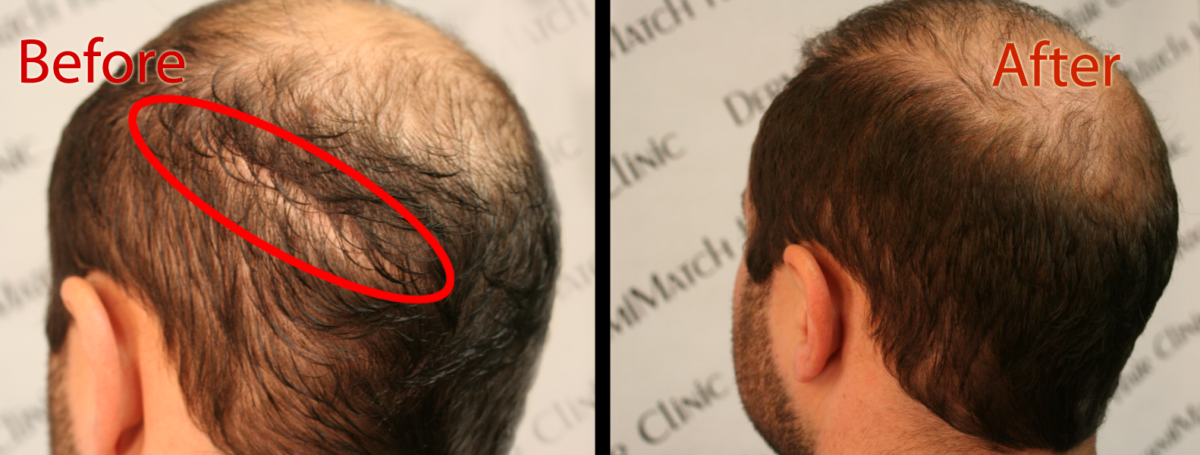
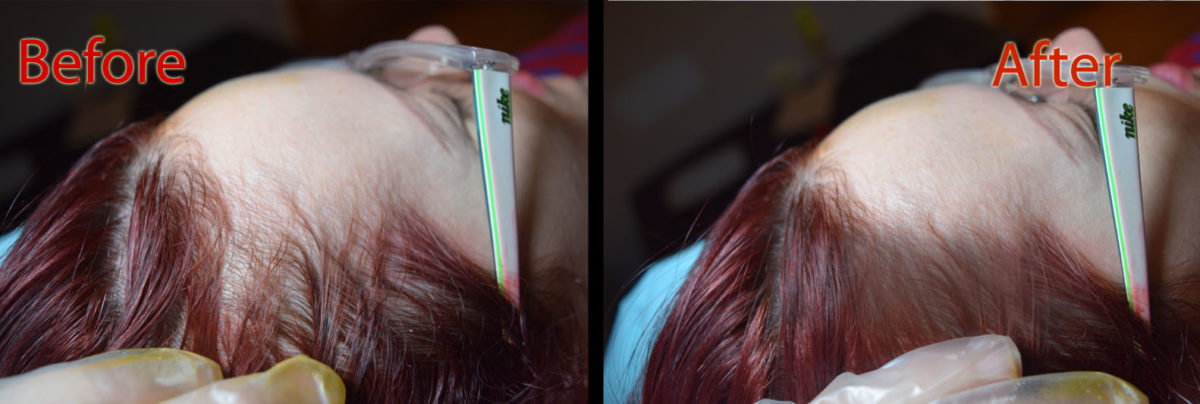
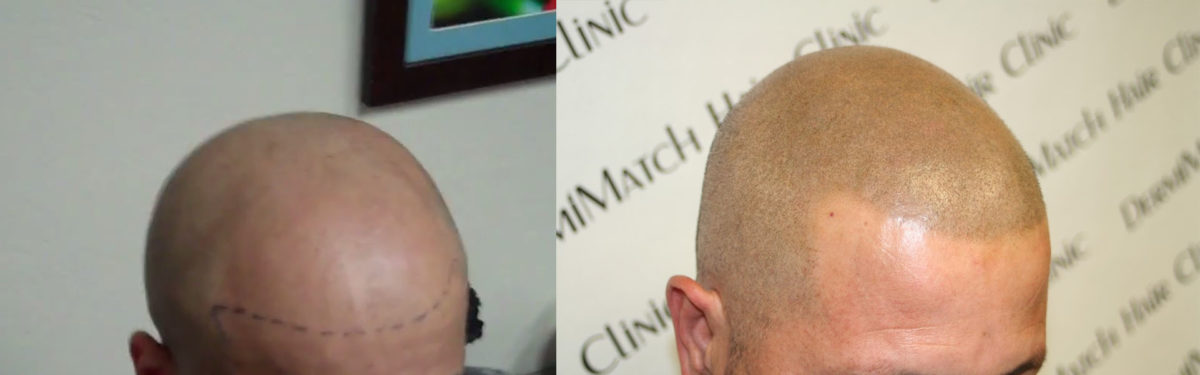
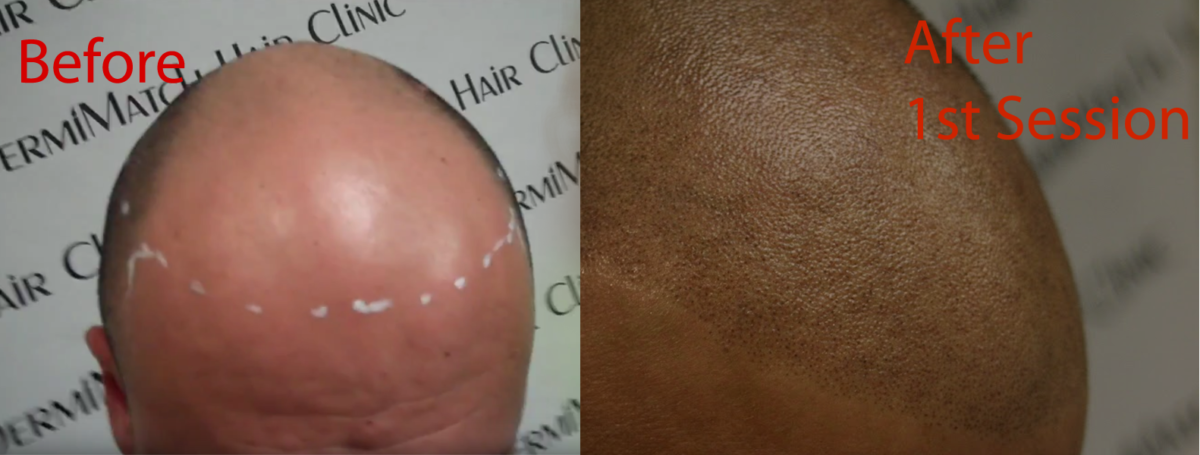
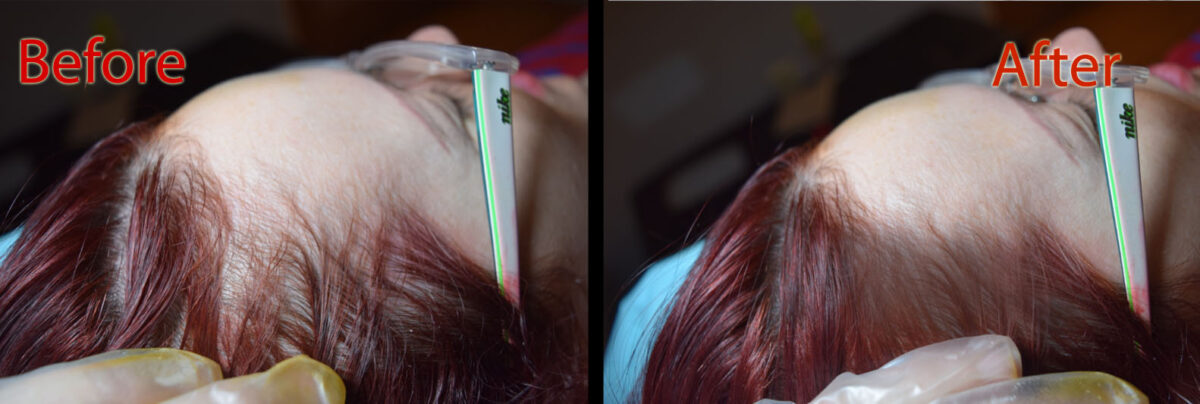
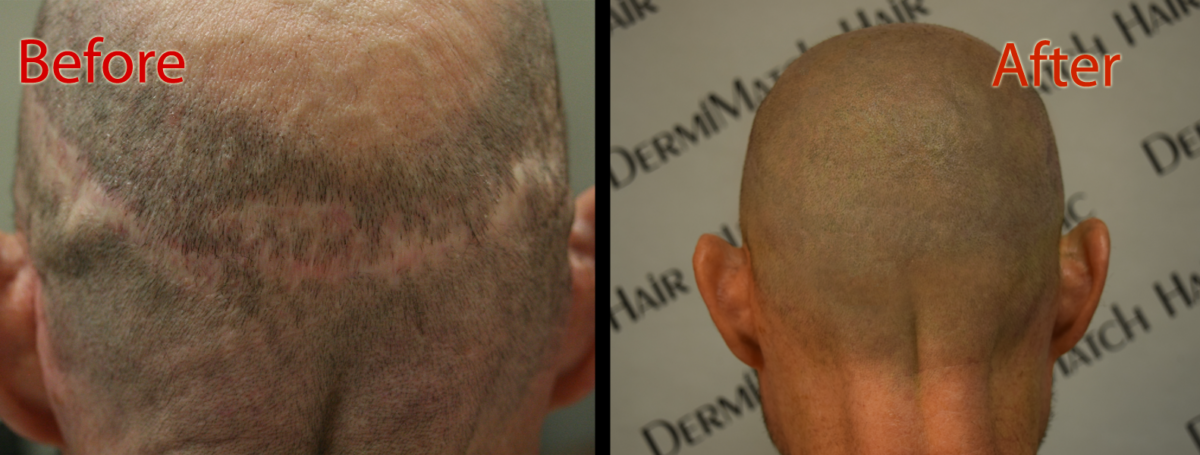
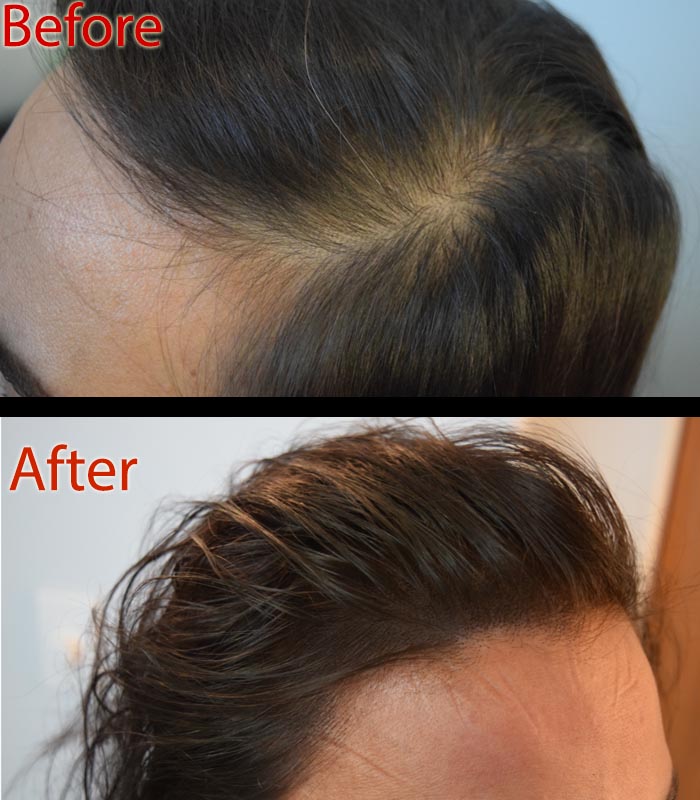
For women experiencing diffuse thinning after HRT, SMP can soften a widening part, restore the visual weight of the crown, and bring back a fuller-looking hairline without a single surgical incision. For men on hormone therapy noticing thinning zones, it can reconstruct the look of density or sharpen a closely shaved style. Results appear immediately, and with proper care they hold for several years before any touch-up is needed.

Non-surgical hair restoration through SMP also complements ongoing medical treatment. A person can continue working with their doctor on hormone optimization, iron supplementation, or minoxidil while simultaneously restoring a fuller look through SMP. Both efforts run in parallel.

But choosing scalp micropigmentation helps if you choose the right Arizona SMP professional for the job.

Traditional tattooing and scalp micropigmentation share almost nothing beyond a needle. Tattoo pigments penetrate too deeply into the dermis, migrate outward over time, and shift toward blue or green tones on the scalp. Tattoo dots are too large and too opaque to mimic a natural follicle. A scalp treated this way quickly looks artificial, patchy, or discolored.

Genuine SMP requires a different pigment chemistry, a different needle configuration, a different hand pressure, and a clinical understanding of scalp anatomy, skin undertones, and hair loss patterns.

A qualified SMP artist is skilled at working on different skin types. They are happy to discuss density mapping, hairline design, and how diffuse thinning in women requires a softer, less defined approach than the sharp edges used for complete baldness.

Hair loss after HRT can undermine confidence that hormone therapy was meant to restore. Non-surgical hair restoration with SMP experts at DermiMatch Clinic in Arizona offers a practical, proven path back to that confidence.
Categories
scalp micropigmentation

Celiac Disease and Hair Thinning: Why Gluten-Free Is Not Enough for Hair Restoration?

Living with celiac disease means managing far more than what ends up on your plate. One of the most overlooked and emotionally difficult effects of the condition is hair thinning. Many people notice it only after months of quietly watching their part widen, their temples thin out, or their scalp catch light in ways it never used to. Even more frustrating is the moment they realize a strict gluten-free diet did not bring their hair back the way they expected.

Why Celiac Disease Triggers Hair Thinning?

The problem starts deep in the gut. When the body reacts to gluten, it damages the lining of the small intestine, which then struggles to pull nutrients from food effectively. Hair follicles are among the first casualties of that nutritional breakdown. They depend on a steady supply of iron, zinc, vitamin D, biotin, protein, and B vitamins to stay in an active growth phase. Cut off that supply, and strands begin shedding faster than the scalp can replace them.

Some people also develop telogen effluvium, a stress-related shedding condition that pushes large numbers of hairs into the resting phase at once. Others face alopecia areata, a patchy autoimmune hair loss condition that shares immune system roots with celiac disease. Both can happen alongside each other, which makes getting a proper diagnosis so important.

Can a Gluten-Free Diet Restore Hair?

This is a question many newly diagnosed people search for urgently. The short answer is: sometimes yes, but rarely quickly. A gluten-free diet allows the gut to heal over time, which gradually restores nutrient absorption. Hair can return, but the process takes months. Some people wait a full year before they notice meaningful regrowth.

The bigger issue is that gluten-free eating does not automatically mean nutrient-dense eating. Many packaged gluten-free products contain little iron, protein, or fiber. So deficiencies can linger even when gluten itself is completely removed. A doctor should check iron stores, vitamin D, thyroid function, B12, and zinc before assuming diet alone is the answer.

When Supplements and Serums Fall Short

Plenty of people eventually try the full shelf of hair restoration products. Growth serums, thickening shampoos, biotin capsules, scalp oils — the list is long, and the results are often disappointing. Some supplements genuinely help when a confirmed deficiency exists. Yet no serum or capsule can close the visible gap between hair and scalp on its own.

That is exactly the moment when scalp micropigmentation becomes worth a serious look. SMP is a non-surgical hair restoration technique where a trained specialist deposits tiny pigment impressions into the scalp that closely mimic the look of natural hair follicles.

It does not regrow hair. Instead, it dramatically reduces the visual contrast between thin hair and the visible scalp underneath. For women, this can restore the appearance of a fuller crown or a less exposed hairline. For men, it can create a clean, defined look that reads as natural density.

SMP works well alongside ongoing medical care. It does not replace nutritional treatment or medical supervision — it fills the visual gap while those approaches work.

Does SMP Artist Matter?

Yes, it matters more as scalp micropigmentation is a specialized job. No ordinary tattoo artist is skilled enough to perform like professional scalp artists. They may offer SMP as an add-on service, but tattooing and scalp micropigmentation are entirely different disciplines. Regular tattoo ink sits too deeply, migrates over time, and turns blue or green on the scalp. Tattoo needle configurations create dots that are too large and too harsh to pass as natural follicles.

Genuine SMP requires specialist training in scalp anatomy, pigment chemistry, hairline design, skin tone matching, and diffuse thinning patterns. A skilled Arizona SMP artist shows healed results — not fresh-session photos — because that is where the real quality shows. Ask about their experience with medical hair loss, female thinning cases, and correction work on clients who went to the wrong practitioner first.

Your scalp deserves precision, not improvisation. If celiac-related thinning has left you searching for a real hair restoration solution, SMP in Arizona with a qualified specialist at DermiMatch Clinic is one of the most reliable, surgery-free paths available today.

Schedule a consultation today!

Categories
Uncategorized

Causes of Hair Loss after Pregnancy

Is hair loss after pregnancy real? Why does a woman lose hair during this period?  Well, pregnancy does not cause hair loss. Rather, hair growth is in full swing for an expectant woman as hormone levels are high. During pregnancy, a woman’s hair may transition from the growing to the resting phase. As a result, there is no hair shedding. In fact, a pregnant woman enjoys fuller and thicker hair during this time.

But hormone levels drop as soon as she delivers her baby, causing hair to suddenly transition to the shedding stage. When that happens, a new mother starts to experience incessant hair shedding because the hair in the resting phase starts to fall. This happens usually 12 weeks postpartum. A good diet can help, but not significantly at this stage.

Hair loss After Pregnancy Is Real

When you have brought your child into the real world, your body experiences many changes as it returns to its normal state. Your hormone levels that were in full swing during pregnancy start to return to normal within 3 months of delivery. Now is the time when you’ll start noticing increased hair shedding. But it is natural to lose excessive hair after delivery. This phase is only temporary but may last a few months before hair starts to grow back.

Unfortunately, some new moms may still not see any significant hair regrowth. For such moms, the causes could vary. They should see a physician to determine the cause.

Hormones and Hair Loss

Other factors that affect hormonal balance include:

  • Menopause
  • Going on/off contraceptives
  • Endocrine disorders
  • Women with PCOS
  • Hereditary

What’s the treatment for hair loss after pregnancy

If excessive hair shedding disturbs your peace of mind, you might look for treatment options.  But there aren’t any proven hair loss treatments that deliver permanent results. That means hair loss may still begin during or after the treatment. In some cases, hair shedding begins as soon as you stop the treatment. Does that serve you any purpose? Of course, not!

So what’s the best way out?

Luckily, many women have chosen scalp micropigmentation in Pheonix after pregnancy to overcome hair-shedding blues. These women cannot stand the sight of hair loss after delivery and seek a permanent solution.

Here, SMP comes to their rescue in hiding the scalp problems caused by excessive hair loss. As a result, they experience renewed self-esteem and self-confidence that seem to have been lost due to hair loss after pregnancy.

Why SMP?

Well, the best thing about this hair restoration procedure is that it is painless and non-invasive. You can walk into the SMP clinic and stay there for 3-4 hours for the procedure and then return home the same day. Recovery is quick, and the results are realistic.

During the procedure, SMP professional implants scalp micropigmentation ink into the scalp areas that require attention. This could be bald patches, thinning hair, or a receding hairline. The natural-looking results are not noticeable if the Pheonix SMP practitioner is experienced and skilled in scalp micropigmentation for women hair loss.

So what are you waiting for? If hair loss after pregnancy is causing you distress, consult with the best SMP artists in Phoenix at DermiMatch Clinic today. Now you can walk out with a smile and confidence after getting scalp micropigmentation to conceal your pregnancy hair loss.

Categories
scalp micropigmentation

Genetic Hair Loss: How Much is Hereditary?

Hereditary pattern baldness affects many men and women. It is identified by both the pattern of hair loss. Your family history of hair shedding of a similar type will also tell whether it is hereditary. However, genetic hair loss is often the result of hormonal disturbance, genetic predisposition, and natural aging.

What percentage of hair loss is genetic?

Research finds that 80 percent of people with baldness have a history of hair loss. In many cases, the father also lost hair. However, baldness genes may not affect all generations. In fact, they are random in terms of siblings they will affect. Some siblings may receive genetic baldness from their genes, while others may still remain immune to it. Genetic hair loss is known as androgenetic alopecia or male/female pattern baldness.

Male pattern baldness starts at the hairline. As a result, men start getting bald on the forehead and at the temples. This extends backward, causing baldness along the scalp sides and top. It may start in the late teens or early 20s. Pattern baldness in women rarely causes complete baldness. A woman may experience hair thinning on the top and along the sides of the head. Genetic hair loss in men and women is different, as men exhibit receding hairlines more than women.

Is hair loss inherited from mother or father?

Many people believe that men inherit hair loss from their mother’s side while women get it from their father’s side. The reality is that no one family side has a role in hair loss. In fact, hair loss genes are passed down from both sides.

Can we stop genetic hair loss?

Hereditary hair loss cannot be prevented, as your genes are involved in it. Hair loss is a 4-step cycle, from growth to the resting stage. Then there is the third stage, when hair falls out, which is followed by regeneration.

Genetics alone is not responsible for hair loss. Other factors contribute to the problem. Hormonal disturbance in women is a major cause of hair loss. Many women experience baldness during menopause. On the other hand, men start getting bald in early adulthood.

An autoimmune condition may also be responsible for hair loss. Such type of hair shedding is known as alopecia areata, which results in patchy hair loss.

Some people may suffer hair shedding apart from genetic hair loss due to a medical condition, such as traumatic alopecia or ringworm infection.

Tight hairstyles may also play spoilsport in hair growth. You may suffer hair loss if you tie your hair tightly. This type of hair loss is known as traction alopecia.

Certain medical conditions also put you at a high risk of hair loss. This includes all metabolic diseases, including thyroid, diabetes, and IBS. Additionally, chemotherapy-induced hair shedding is no secret.

Genetic hair loss treatment

Struggling with hair loss and looking for a solution? Well, scalp micropigmentation is a permanent solution to hair shedding. If yours is genetic hair loss, there are hardly any solutions to the problem. Here, SMP can come to your rescue and conceal the problem areas.

Get help from the top Arizona SMP practitioners at DermiMatch Clinic – your one-stop shop for all things scalp micropigmentation and hair loss.

Categories
scalp micropigmentation

How To Find the Best SMP Artist

With the rising popularity of scalp micropigmentation, a number of SMP artists have joined the industry. So it is certainly overwhelming to find the best scalp artist if you are looking for hair loss treatment. Of course, you don’t want yours to be a horror story, so there is an urgent need to find someone who can create the look you desire. Here are a few tips to help you feel confident in selecting the right scalp practitioner.

Tips to find the best SMP Artist

Research

There are before and after pictures on every scalp micropigmentation website. Now it is your job to determine if these are real or fake. Some tattoo artists also claim to do SMP and might use Photoshop to show awe-inspiring results to potential clients. Besides, customer reviews are another way to find the experience of SMP clients with the scalp artist. Explore Google, Facebook, and Yelp for customer reviews. Genuine reviews will do more than applaud the SMP practitioner. They will tell an emotional story that you can trust and relate to. Now it is time to save the profiles of those you would like to try.

Zero-down on the list

Once you have the list of the most favorable SMP artists handy, it’s time to pick the final three that impressed you the most. Next, you want to reach out to those scalp practitioners over the phone or by email. During the consultation, you should have some questions to ask the scalp artist. One who replies with confidence and gives you satisfactory answers is a good choice for your scalp micropigmentation project.

What Should I Ask?

Experience matters so do skills. You want to understand their level of expertise in the industry. Of course, their skills matter a lot. Do not hesitate to ask about their SMP experience. It’s okay to ask if they have the skills to create your desired hairline. Of course, you can always ask for proof. Do they have pictures of similar treatment? That’s where an experienced SMP artist will have tons of pictures to show. This sets them apart from the crowd.

Next, ask them about their SMP certification. Where did they get training? What type of SMP pigments do they use? Be prepared with the list of allergens to ensure they don’t use any product that could cause an allergic reaction. Undoubtedly, you do not want to fall into the trap of someone that uses cheap chemical products that create awful results.

Cost is another factor that you want to consider. Get an estimate of the cost of scalp micropigmentation. But do not fall for cheap SMP, as that does not guarantee great results.

Choosing Your New Artist

With your research and interview complete, you are all set to choose the one SMP artist that stands out. Of course, you need to finalize the one who can confidently deliver as per expectations, thanks to their unique skills and experience in the industry.

Finding the best SMP artist in Phoenix may be tough, but with the right information, you should be confident to make the right choice. If you are in Phoenix, you can trust DermiMatch Clinic for its wealth of expertise in scalp micropigmentation. DermiMatch SMP practitioners in Phoenix have helped hundreds of clients overcome their hair loss troubles. Get in touch today.

Categories
scalp micropigmentation

Can Dry Scalp Trigger Hair Loss?

If you have a dry scalp, you are at a high risk of hair loss. A dry, flaky scalp is prone to itching and fungal infections. Scratching a dry scalp repeatedly can cause extensive damage to the skin, resulting in hair fall, bleeding, and scabbing.

Dry Scalp Causes

Seborrheic Dermatitis

Dandruff is the result of too much oil in the skin. Due to increased oil production, the scalp is unable to shed dead skin cells. As a result, they become apparent as flakes.

Hair Products

Your hair styling products may be blamed for a dry scalp, which may result in itching and tiny flakes. Some styling products contain ingredients that may cause contact dermatitis rash if you are allergic to them. Chemicals in hair styling products can cause a lot of damage to the scalp and hair. Besides, if you shampoo frequently, you are more likely to have a dry scalp. On the other hand, if you delay shampooing, then the scalp produces more oil, resulting in a flaky scalp as it is unable to shed dead cells.

Diet

Your diet plays a crucial role in deciding your overall health, including skin and hair health. Carb-rich foods can cause yeast buildup on the skin, resulting in flakes. No doubt, flaky skin is prone to hair loss.

Dealing With A Dry And Itchy Scalp

Scalp Massage

Boost your hair health with scalp massage, which can improve blood circulation and stimulate the production of natural oils. As a result, hair follicles receive more nutrients to grow. This is one of the best ways to take care of your hair health. A warm oil massage session is therapeutic and anti-inflammatory too. Using a boar brush to run through your scalp, from scalp to hair tips can result in shiny, well-conditioned hair. Besides it helps remove any oil or hair product build-up.

Stay Hydrated

Hydration is crucial to health. Your hair is no exception either. Dehydration affects the skin on your face, resulting in a dry scalp. It is recommended to stay hydrated by drinking at least 6-8 glasses of water every day.

Shampooing and Hair Products

Using harsh chemicals can damage your hair health. Avoid shampooing too frequently with hot water. Do not use alcohol-containing hair products that can cause drying of the scalp. Avoid the use of heated products, chemicals, and hair dryers that only damage hair. Your goal is to help your skin nourish itself naturally.

Diet

Dietary intervention becomes essential in cases where you suffer from poor hair health. A well-balanced diet is crucial to supplying key nutrients to your hair follicles that stimulate hair growth. This includes zinc, Vitamin A, and Omega-3 fatty acids. Limit sugar intake to reduce the risk of dry scalp. Excessive intake of sugar can promote the growth of candida yeast and contribute to scalp problems.

Hair restoration treatment

If your scalp health does not improve despite lifestyle adjustments, you should look for a hair restoration solution that works. Scalp micropigmentation is one such treatment for hair loss and scalp problems. It is a permanent solution to hair loss, receding hairline, and thinning hair.

Top Scottsdale SMP practitioners are available at DermiMatch Clinic, who have been providing the best scalp solution for thinning hair, alopecia areata, and receding hairline. Schedule a consultation with the best Scottsdale SMP artist today.

Categories
scalp micropigmentation

Is SMP in Arizona the Solution for Pattern Baldness

How does SMP in Arizona work for pattern baldness? Some startling facts about male pattern baldness have come up as a shock to the men community. Statistics reveal that men start losing hair before the age of 21. Besides, 85% of men aged 50 years are prone to hair thinning. The story is not much different for women either. The report puts women’s hair thinning statistics at 50%, which means 50% of females are likely to experience thinning of hair

Sadly, 25% of men with male pattern baldness experience this state even before they turn 21. This has a huge impact on their self-esteem. When other hair restoration solutions make tall claims, scalp micropigmentation offers hope without having too many side effects.

Is SMP the Solution

Scalp micropigmentation is the right solution for hair loss or male pattern baldness that requires specialized training, tools, and equipment. The award-winning solution has successfully treated both men and women suffering from hair loss, thinning hair, and receding hairline. The goal of treatment is to help them regain their looks, self-esteem, and self-confidence.

Restored Confidence

SMP in Arizona is a great confidence booster for young men and women who are suffering from hair loss problems. The sight of hair loss affects your confidence adversely. With SMP, you can look in the mirror and get a confidence boost.

Faster Results

Scalp micropigmentation gives permanent results, and you may only need a few touch-ups to restore the look. Clients prefer the procedure more than other cosmetic options that only give temporary results. With SMP in Arizona, you can see a gradual improvement in your looks and get back the lost confidence.

Safe

Since scalp micropigmentation is a non-invasive procedure, it is relatively safer than hair transplant and other surgical therapies. Therefore, there is a minimal risk of infection. The recovery is quick with little SMP aftercare. The top scalp artists use the best SMP ink for the procedure, which reduces the risk of infections.

It is a painless procedure being minimally invasive, and there may be only slight discomfort or redness at the site.

Cost Saving

Scalp micropigmentation costs much less than hair transplant procedures. With SMP, you get a hair restoration option that will last for several years, making it a highly cost-effective solution.

SMP in Arizona side effects

Some of the little side effects of scalp micropigmentation include:

  • Dryness
  • Redness
  • Itchiness

However, with little SMP aftercare, you can overcome these side effects easily.

When you find the best SMP artists for the job, who are highly skilled, trained, and experienced in the field, you can expect the best results. DermiMatch pioneers scalp micropigmentation. Its scalp artists are experts in the field of SMP, who have treated thousands of clients suffering from hair shedding, hair loss, receding hairline, and thinning hairline.

Categories
scalp micropigmentation

Type of Food for Hair Growth

You are depressed at the sight of frequent hair loss, right? But you are unsure how to go about preventing excessive hair shedding. You have tried many hair growth tips and tricks too but nothing has worked. Let’s discuss what food for hair growth can stem hair loss and boost the growth of hair. For those looking for something else to hide those imperfections, flaws, and bald patches on your scalp, SMP scalp micropigmentation in Arizona might do the trick.

Food for Hair Growth

Protein: Best hair growth food

Protein is one of the best foods for hair growth. Including more sources of protein in your diet can help nourish your roots and boost hair health. Poor nutrition might play a villain in your hair care regime. Good protein foods may include natural sources of protein, such as nuts, legumes, lentils, soy, fatty fish, and egg, among others.

Fats: Essential food for hair growth

Do not deprive your body of good fat. That might result in poor hair growth or excessive hair shedding. Healthy fats strengthen and nourish roots. This is one food for hair growth that you want to include in your hair care dietary regime. Avocados top the list of healthy fats, and so does coconut oil, almonds, and other powerhouses of good monounsaturated fats.

Probiotics: Good bacteria for hair health

Apart from fat and protein, your body needs a constant supply of nutrients from fermented foods. Probiotics are the powerhouses of nutrition and the best food for hair growth. Gut health can affect different functions of the body. Beneficial bacteria aid in digestion and boost brain and immune health. The bad bacteria in your body are happy to feed on refined sugars and carbs and highly processed foods and alcohol, resulting in an influx of these bad guys in your gut.

Good bacteria are responsible for breaking down food and producing micronutrients for the body to use. During this process, Vitamin b12, b3, K, and folic acid as well as biotin are released, which support hair health and growth. On the other hand, a poor gut is crowded with bad bacteria, which means vital nutrients are not broken down. That means your body cannot process nutrients and they are just lost in the biochemical processes, resulting in poor health. This affects hair health too.

When the gut is healthy, it can provide a healthy environment for different microorganisms to assist various processes in the body. Good gut health is known to play a vital role in the growth of hair in post-menopausal women.

The SMP Solution

But natural ways of hair growth take time to show results. It may seem like ages when you seek a fast and effective solution for hair loss. You cannot expect overnight results when you include the best food for hair growth. If you are seriously looking for a hair restoration solution that produces quick results, then SMP scalp micropigmentation in Arizona can help.

Get in touch with DermiMatch for the best experience in SMP in Phoenix, Arizona. The #1 Phoenix scalp artist is waiting to help. Connect with scalp experts today and get back your self-confidence.

Categories
scalp micropigmentation

Does Biotin for Hair Loss Work

Hair loss is one sight that everyone hates. You, too, are not an exception either. Now you might be wondering if there is a solution to hair loss. Of course, you have heard a lot about biotin for hair loss. What is it? How does it help? Let’s explore if biotin is the solution for hair restoration and how SMP scalp micropigmentation in Arizona might help your cause.

What is Biotin for hair loss treatment?

Biotin or Vitamin H is known to help with hair growth. It is also believed to contribute to the health of skin and nails too. Vitamin H is a water-soluble vitamin that belongs to B-vitamin family. The body converts certain nutrients into energy with the help of biotin. Hair loss might be a result of a lack of biotin in the diet. You may experience a scaly red rash if you are deficient in biotin, though deficiency is rare as a normal diet has a sufficient amount of vitamin H.

Biotin plays a role in improving the keratin infrastructure that strengthens hair roots and boosts skin health. It might help with hair thinning and shedding. There is not too much evidence to suggest how increasing biotin supplementation might promote hair growth. Research is still underway to explore biotin for hair loss benefits.

Egg yolks, walnuts, almonds, peanuts, bananas, legumes, cauliflower, and whole grains are food sources of biotin.

Biotin may have adverse effects on some people, which may include nausea, cramping, and diarrhea. The research into biotin is still growing, but scientists have found that some patients experience cramping, nausea, and diarrhea after incorporating biotin into their routines.

The DermiMatch Solution to Hair Loss

It’s permanent and does not have any side effects. Yes, we are talking about SMP in Phoenix, Az. If you are experiencing hair loss, thinning, shedding, or a receding hairline, we understand it’s tough for you to overcome the situation. No doubt, you should focus on a healthy nutritious balanced diet to nourish your body for overall wellbeing and proper development. Hair loss is one area that might need something extra to stem. But when that does not happen, you can look up to scalp micropigmentation.

SMP offers a permanent solution for hair restoration for men and women suffering from hair loss, alopecia, pattern baldness. The procedure is non-invasive and can hide scars, thinning hair and receding hairline. It can give you a buzzed-cut look that can help restore your self-confidence and self-esteem. With scalp micropigmentation, you can add density to a thinning or receding hairline.

You can trust our scalp artists to do the job of scalp micropigmentation on your scalp. We pride ourselves on our SMP scalp micropigmentation in Arizona expertise and can help determine what will work best for you. Get in touch with us for a consultation today. What’s stopping you from getting a new look that you have always desired with the guarantee of 100% satisfaction?

Categories
scalp micropigmentation

SMP Needles: Do Tattoo Needles Work?

Inexperienced scalp artists often wonder if they can reuse tattoo needles for scalp micropigmentation or it is a good idea to go only with SMP needles. But there is a world of difference between tattoo needles and SMP needles. Microblading or tattoo needles are big enough than SMP needles and cannot create the right impression of follicles. If a scalp artist uses tattoo needles, it can cause all sorts of problems, from giving fake results to looking unnatural. What’s more, micropigmentation needles are smaller than a tattoo needle and do not have to go deeper into the scalp to create a natural shaved look. Only a trained and experienced SMP artist uses the best needles for scalp micropigmentation.

SMP Needles Vs Tattoo Needles

Skin is made up of three layers – outer or Epidermis, Dermis, and Hypodermis. When a scalp artist injects pigment into the skin, the purpose is to make an indelible marking that gets trapped underneath the Epidermis. There is a risk of the ink washing away if it is not implanted below the outer layer of the scalp.

SMP pigment is implanted into the Dermis layer whereas tattoo ink goes beyond the Dermis. Since SMP ink stays just below the upper layer, it is less likely to fade or lose shape as compared with tattoo ink that goes deeper into the skin and is likely to lose shape.  Top scalp artists understand the need for controlling the shape and size. Their focus is to create the look of follicles that replicate their size and shape.

SMP uses pigments that are organic and plant-based and won’t risk turning blue or get discolored. On the other hand, a tattoo artist is least concerned about the type of ink. They prefer non-organic ink.

Additionally, SMP uses specialized micro-needles. While tattoo needles are too thick, SMP needles are way too thin and are used to create the look of tiny follicles. There’s a lot of difference between the two types of ink and pigments.

Scalp micropigmentation ink may require touch-up after a few years. On the other hand, tattoo ink is permanent. SMP can go wrong if the pigment goes deeper than the dermis layer.

SMP cannot use tattoo or microblading needles, which are quite big and create the optical illusion of follicles.

Since SMP needles are smaller in size, they are apt for creating the look of naturally shaved hair.

SMP works in the following ways:

  • Creates underlying shading for areas with diffuse thinning
  • Hides patch baldness or alopecia
  • Conceals scars after surgery

The Most Common SMP Needle Size

Single needles come in 0.20, 0.25, and 0.35mm. These are less commonly used today. Triple needles come in all sizes, including 0.20mm, 0.25mm, 0.30mm, and 0.35mm. The smaller diameter of the needles allows them to penetrate the skin easily.

Scalp Tattoo Is Different

Both techniques use specialized ink to improve the appearance of a body part. A tattoo can cover scars or decorate a part of the body. Scalp micropigmentation is more than a cosmetic procedure. It can cover scars from injuries or hair transplant and is ideal for hair thinning, alopecia, and other hair loss problems.

DermiMatch scalp experts the best needles for scalp micropigmentation.