
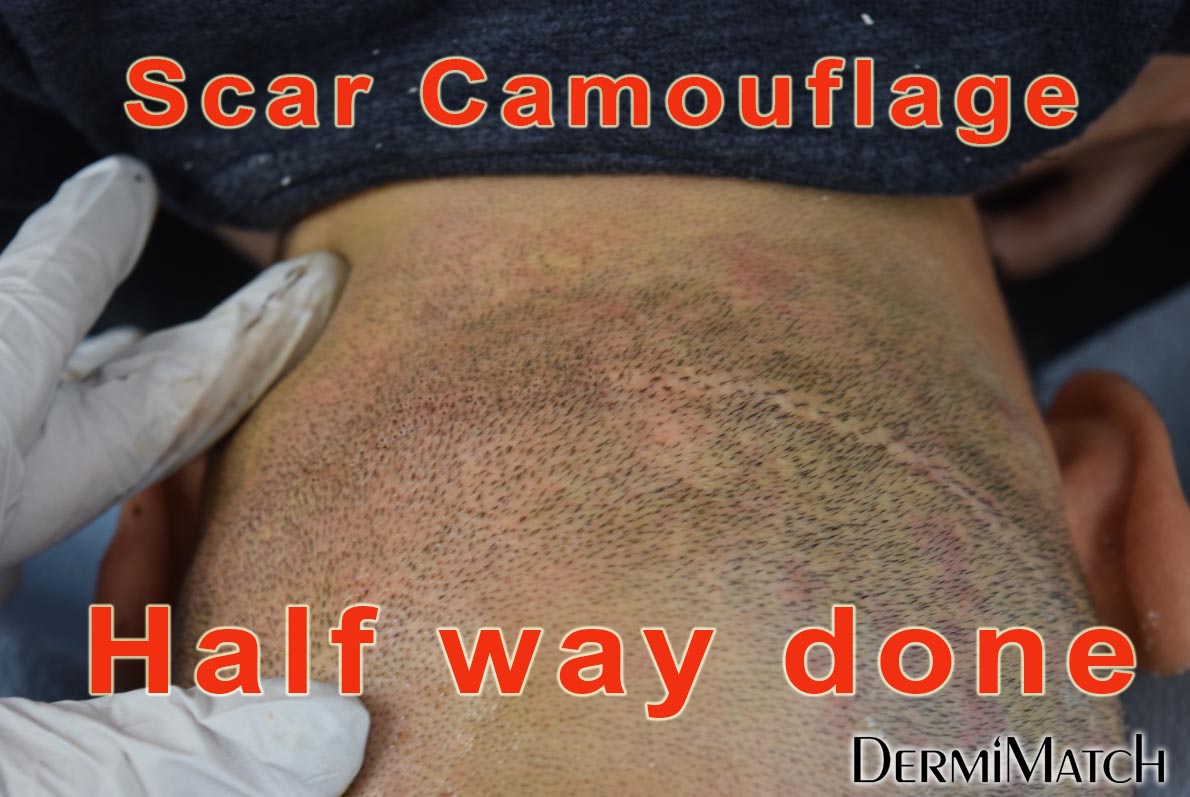
A scalp burn can heal on the outside and still leave a bare, shiny patch that no product will fill. That patch changes how you see yourself every morning. If a serious burn wiped out the follicles, you now face a hard truth: hair may never return there on its own. So people start weighing bigger options, and a hair transplant usually tops the list. Yet a transplant does not fit every scar, which is exactly where scalp micropigmentation enters the picture.
Why a Scalp Burn Can End Hair for Good?
Heat, chemicals, electricity, and other deep injuries can destroy the skin that holds your follicles. When the wound heals, tough scar tissue often replaces that living skin. Doctors call this scarring alopecia, and the name matters. A follicle buried under scar tissue cannot sprout hair again, because the structure that grows the strand is simply gone. That single fact separates burn scars from ordinary thinning.
Can Hair Grow Back After a Scalp Burn?
Sometimes it can. A mild burn that spares the follicles may let hair push through again within weeks. But a deep burn tells a different story.
Once scar tissue seals the follicle, shampoos, vitamins, and growth serums have nothing to work with, since those products only help follicles that still function. Therefore, your first step is a proper scalp exam. A dermatologist or burn specialist can tell you whether live follicles remain or scar tissue has taken over.
Can a Hair Transplant Fix A Burn Scar?
In some cases, a hair transplant helps. A surgeon moves healthy follicles from a donor zone into the damaged area, and new hair can grow if the scar accepts the grafts. However, scar tissue carries a weaker blood supply, so grafts survive less reliably there than in normal scalp.
Large burns raise the stakes even more, because they may demand several surgeries and more donor hair than you own. So a hair transplant can work, yet it rarely offers a guaranteed or complete fix for a big burn scar.
Where SMP Picks Up What A Transplant Leaves Behind
Scalp micropigmentation takes a completely different route. Rather than growing hair, an Arizona SMP artist places tiny pigment dots across the scar to copy the look of short, real follicles. Those dots shrink the contrast between a pale scar and the hair around it, so the bald patch fades into the background.
Best of all, SMP never depends on donor follicles or graft survival. That freedom makes it a strong option when a hair transplant cannot cover the whole area or your donor supply runs thin.
Can SMP Cover Burn Scars?
Usually, yes, though scarred skin needs extra care. Burns change skin thickness, texture, and pigment response, so a skilled artist adjusts the dot size, depth, spacing, and ink strength to match. Pigment can also fade unevenly on scar tissue, which makes gentle layering and follow-up sessions important. On top of that, the scar must fully settle before any pigment goes in. Fresh, angry, or open skin needs a doctor first, not a needle.
Choose an SMP Artist Who Knows Scars, Not A Tattooist
Here is the part that decides your result. As SMP booms, some tattoo artists now bolt scalp work onto their price list. Yet inking a design and rebuilding believable follicles on burned skin call for very different tools, pigments, depths, and judgment. So look past glossy fresh photos and ask for healed results on real scar tissue.
Question the artist directly about burns, scarring alopecia, and permanent hair loss. When serums cannot regrow a destroyed follicle and a hair transplant cannot safely cover the scar, expertly placed SMP gives you the one thing you actually want: a scalp that reads as hair. Choose the right scalp micropigmentation Arizona specialist and trust them your scalp job and watch that burn scar quietly disappear into the crowd.
Schedule a consultation with the best SMP professionals in Arizona now at DermiMatch Clinic.
