
CALL TODAY! 480-788-2432
CALL TODAY! Service: 480-788-2432 | Products: 833-436-4247
Categories
Uncategorized

Acne Medication and Hair Fall: How Does SMP Help?

Acne medication can produce major improvements in severe acne. Many people know it by its former brand name, Accutane. Doctors usually prescribe it when other acne treatments have not produced enough improvement.

However, the medication can cause several side effects. Dry lips and sensitive skin remain common concerns. Some patients also notice increased hair fall, reduced volume, or a wider-looking part.

This change can feel especially frustrating. Clearer skin may improve confidence, but thinning hair can be the cause of a new worry. Fortunately, shedding related to acne medication often improves after the treatment ends.

Can Acne Medication Cause Hair Loss?

Yes, isotretinoin can cause hair loss in some people. Still, this side effect does not affect most patients.

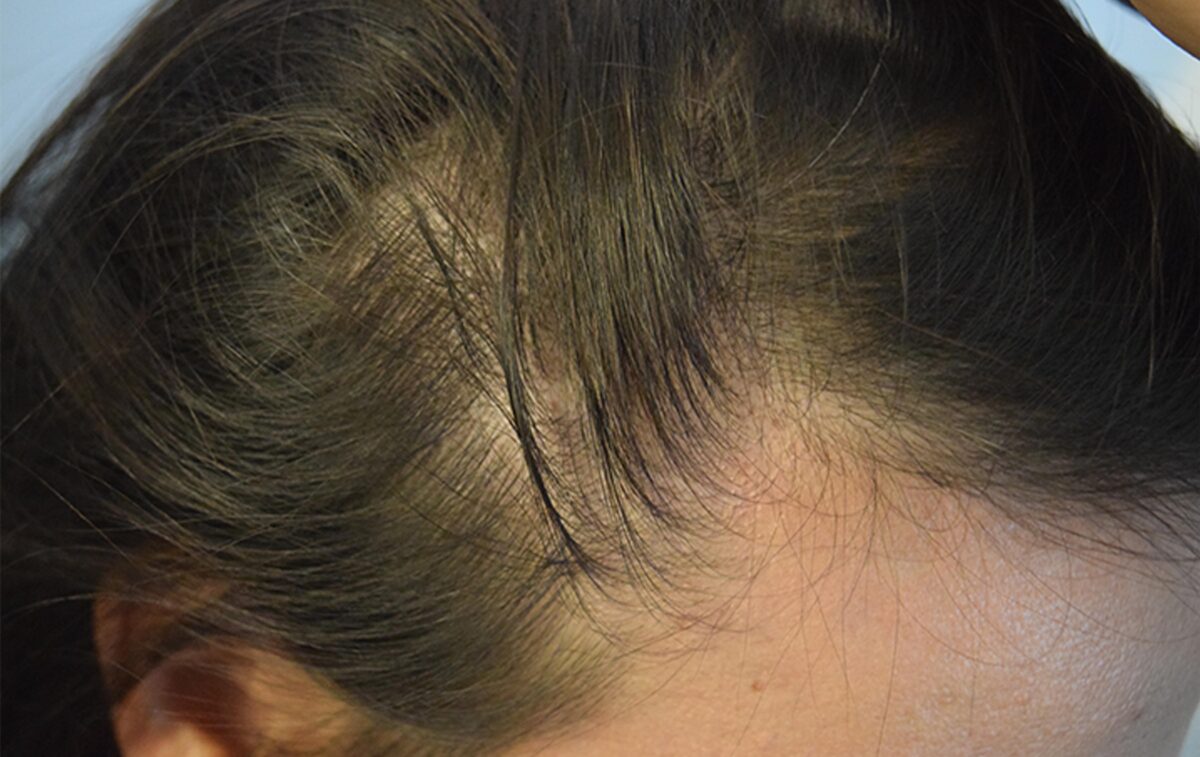
The shedding usually resembles telogen effluvium. This condition develops when more follicles than usual enter the resting stage of the hair cycle. Those strands later fall out, which can create diffuse thinning across the scalp.

Hair may appear weaker near the part, temples, or crown. However, the medication does not usually create clearly defined bald patches.

Researchers have not confirmed exactly why isotretinoin affects hair growth. The medication may alter the normal growth cycle or make resting strands easier to shed. Higher doses and longer treatment periods may increase the risk for some patients.

Is Isotretinoin Hair Loss Permanent?

People often ask whether their hair will return after Accutane. In many cases, hair regrowth begins once the medication course ends and the normal cycle recovers.

The British Association of Dermatologists describes this hair loss as usually mild and temporary. Recovery does not happen overnight, though. New strands need time to form beneath the scalp and grow long enough to become visible.

Some people may have another condition behind the thinning. Genetics, low iron, thyroid problems, hormonal changes, and severe stress can all affect density. Isotretinoin may make an existing problem more noticeable.

Speak with your prescribing dermatologist when shedding becomes significant. Do not reduce the dose or stop treatment without medical guidance.

How Long Does Hair Regrowth Take?

The timeline varies from person to person. Some patients notice less shedding within several weeks after treatment. Others may need several months before their hair begins to look fuller.

A dermatologist may examine the scalp and review the timing of the hair fall. They may also recommend tests when another cause seems possible.

Gentle care can protect fragile strands during this period. Avoid tight hairstyles, harsh bleaching, and excessive heat. Use a mild shampoo and handle wet hair carefully.

Do Hair Growth Serums Help After Isotretinoin?

Many people turn to oils, vitamins, or hair growth serums when shedding starts. These products may improve softness or reduce breakage. However, they cannot correct every cause of thinning.

A dermatologist may discuss minoxidil when the diagnosis supports its use. Still, no hair regrowth product guarantees full density. Results also take time, and some people dislike the cost or daily routine.

Scalp micropigmentation offers a different solution. It does not stimulate follicles. Instead, it improves the visual appearance of the scalp.

How Does SMP Support Self-Image?

Scalp micropigmentation places tiny pigment impressions between existing strands. These impressions reduce the contrast between the hair and visible scalp. As a result, the part may look narrower, and thin areas can appear denser.

SMP can help people who still see scalp show-through after their shedding stabilizes. It may also reduce dependence on fibers, sprays, and concealing powders.

Timing matters, though. Isotretinoin can leave the skin dry, delicate, and sensitive. Never schedule SMP over an irritated scalp. Ask your dermatologist when your skin has recovered enough for the procedure.

Choose a trained SMP artist

When hair regrowth serums fail to restore the desired coverage, SMP can offer a powerful confidence boost. Yet the final result depends heavily on the practitioner.

Traditional tattooing and scalp micropigmentation require different pigments, needle depths, and placement techniques. A tattoo artist may understand body art but still lack proper SMP training.

Poor work can create large dots, unnatural color, pigment spreading, or patchy density. Correcting these problems may prove difficult and expensive.

Choose a dedicated Arizona SMP artist who can show healed results on clients with similar thinning. The right specialist will assess your scalp, work conservatively, and create natural-looking density without making false promises about hair regrowth.

Schedule a consultation with DermiMatch Clinic scalp micropigmentation Arizona experts.
Categories
scalp micropigmentation

Chronic Fatigue Syndrome and Hair Thinning: How Does SMP Help?

Myalgic encephalomyelitis/chronic fatigue syndrome, or ME/CFS, causes more than ordinary tiredness. It brings unrefreshing sleep, pain, dizziness, brain fog, and symptoms that worsen after small amounts of activity. The physical strain of long-term fatigue has its side effects in the form of hair shedding, weak strands, or reduced scalp coverage.

People managing ME/CFS often face limited energy for meal preparation, medication changes, or an overlapping condition, such as iron deficiency or thyroid disease. Each factor can influence hair health. Anyone who notices sudden shedding should seek a medical assessment instead of assuming ME/CFS alone caused it.

Can Chronic Fatigue Syndrome Cause Hair Loss?

Researchers have not established hair loss as a core diagnostic sign of chronic fatigue syndrome. Still, chronic illness, prolonged stress, and recovery from illness can disrupt the normal growth cycle. More follicles may shift from active growth into a resting stage. Weeks or months later, diffuse shedding can appear across the scalp.

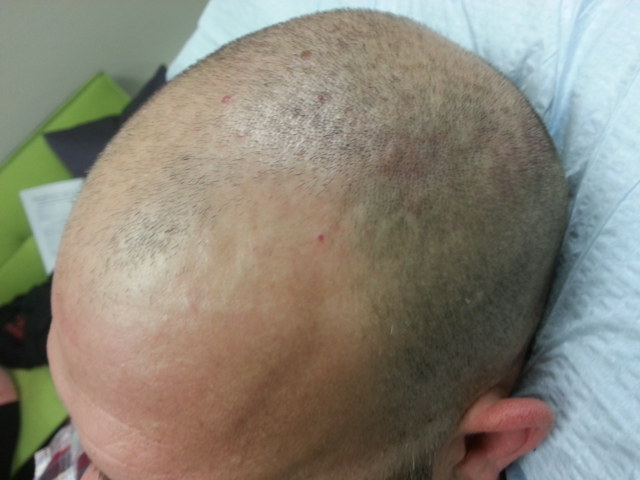
Dermatologists call this pattern telogen effluvium. It usually creates overall thinning rather than smooth bald patches. Hair may also feel weaker because fewer growing strands create less volume. Tight hairstyles, harsh chemicals, and frequent heat styling can make already fragile hair look thinner still.

Does Hair Grow Back After Chronic Illness?

Hair regrowth depends on the underlying cause. Temporary shedding often improves once the body stabilizes and the trigger resolves. Recovery can still take months, since hair grows in slow cycles. Ongoing illness, low nutrient levels, hormonal shifts, or inherited pattern thinning may delay visible improvement.

A dermatologist can examine the scalp and review the shedding pattern. Blood tests may help identify low iron, thyroid problems, or deficiencies when symptoms support testing. Supplements should never replace that assessment, since unnecessary nutrients can waste money and sometimes worsen hair problems.

What Can Support Hair Regrowth?

Start with gentle care. Use a mild shampoo, condition regularly, and avoid pulling wet hair with a rough brush. Choose loose styles that reduce tension on the scalp. Eating enough protein and maintaining a varied diet also help whenever your health allows.

Medical options depend on the diagnosis. A clinician may discuss topical minoxidil for certain types of thinning. Still, no serum corrects every trigger. Some people see modest regrowth, while others cannot manage their daily routine due to scalp irritation, cost, or fatigue.

Treatment may reduce shedding without restoring the visual density someone wants. Medical care and cosmetic coverage often serve two different purposes.

How does SMP Cover Visible Scalp?

Scalp micropigmentation does not grow new hair. Instead, a trained SMP artist places tiny pigment impressions across the upper scalp to reduce the contrast between hair and skin. This builds the appearance of greater density through sparse areas, which can feel especially valuable for someone managing the low energy of chronic fatigue.

SMP tends to suit stable diffuse thinning, a widening part, or visible scalp around the crown. A skilled practitioner adjusts pigment tone, spacing, and depth to work with the client’s existing hair, so the result looks soft and natural rather than a solid block of color. Clinical reviews recognize SMP as a legitimate camouflage option for alopecia and visible scalp concerns.

Choose an SMP Specialist

When hair regrowth serums fail to deliver enough coverage, SMP can offer a practical confidence boost. It can also reduce daily reliance on fibers, powders, and complicated styling routines.

Even so, the artist matters as much as the treatment itself. Traditional tattooing and scalp micropigmentation call for different needles, pigments, depths, and visual techniques entirely.

Many tattoo artists now advertise SMP services without any real scalp training. Poor work can spread under the skin, shift color over time, or create an unnatural, blotchy pattern. Corrections then become difficult, painful, and expensive to fix.

Choose an experienced Arizona SMP specialist with proven expertise and a portfolio that includes clients with thinning hair. The right scalp micropigmentation Arizona artist protects your scalp and delivers natural-looking coverage, without ever pretending to cure the underlying condition.

Finding the best hands for SMP doesn’t have to be a task. Schedule your scalp micropigmentation consultation at DermiMatch Clinic today.