Hair is primarily composed of a protein called keratin. This naturally leads to the assumption that increasing protein intake can promote hair growth. While there’s some truth to this, the relationship between protein and hair growth is more nuanced than a simple cause-and-effect scenario. Let’s explore whether protein for hair can help the growth of your locks.
The Protein and Hair Growth Relationship
Studies have shown a clear link between severe protein deficiency and hair loss. Hair follicles require protein for growth and repair, and a lack of it can hinder hair health. This exposes you to a risk of hair thinning and increased shedding.
Does that mean you should increase your protein intake?
Well, exceeding the recommended daily protein intake has not been proven to stimulate hair growth in people without protein deficiency.
Keratin Composition
Hair is primarily composed of a protein called keratin. Keratinocytes are cells in the hair follicle, which are responsible for synthesizing keratin. These cells require a steady supply of amino acids, the building blocks of protein, to function optimally.
Essential Amino Acids
Not all protein sources are created equal. Hair follicles require a specific set of amino acids, known as essential amino acids, for optimal keratin synthesis. These amino acids cannot be produced by the body and must be obtained through diet.
Animal vs. Plant Sources
Animal-based protein sources like meat, poultry, and eggs are considered complete proteins, meaning they contain all nine essential amino acids.
On the other hand, plant-based protein sources like legumes, nuts, and seeds can be beneficial, but careful selection is necessary to ensure a complete amino acid profile. It’s always better to combine different plant-based sources to achieve this.
That’s where you can emphasize the relationship between protein and hair growth.
Additional Factors for Hair Health
Biotin and Other Nutrients
Biotin, a B vitamin, plays a role in keratin production. Deficiencies can lead to hair loss. Additionally, ensuring adequate intake of iron, zinc, and other essential vitamins and minerals is crucial for overall hair health.
Hormonal Imbalances
Hormonal fluctuations can disrupt the hair growth cycle and lead to hair loss. Underlying health conditions or medications may contribute to hair loss. Addressing these factors is essential for promoting healthy hair growth.
Scalp Micropigmentation: A Solution for Hair Loss
While ensuring adequate protein intake from high-quality sources is crucial for health, other factors like vitamin and mineral deficiencies, hormonal imbalances, and genetics can influence hair growth.
For individuals experiencing significant hair loss, scalp micropigmentation can offer a reliable and effective solution.
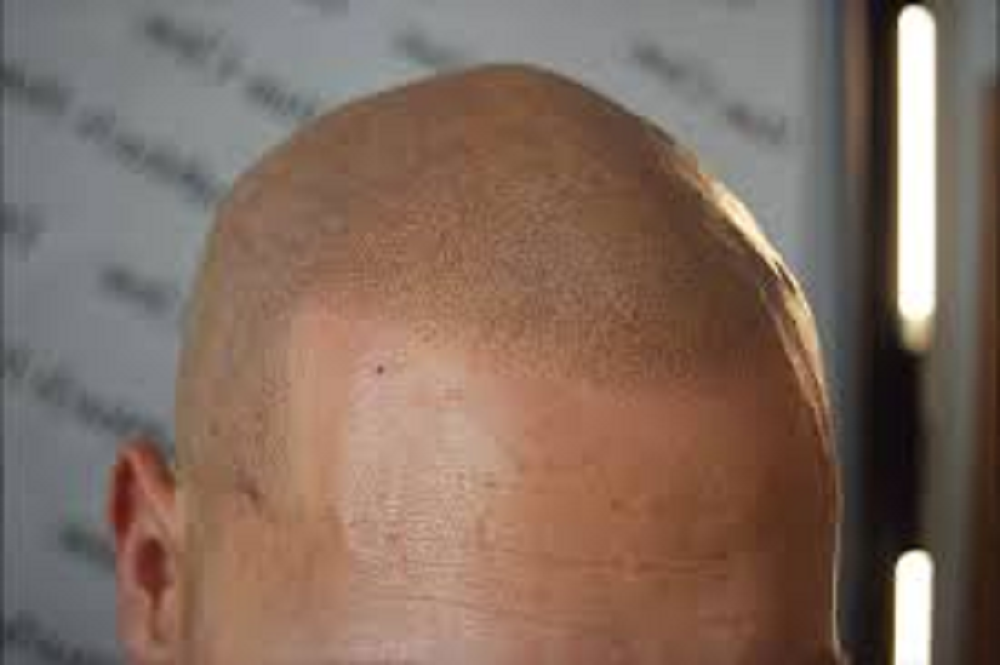
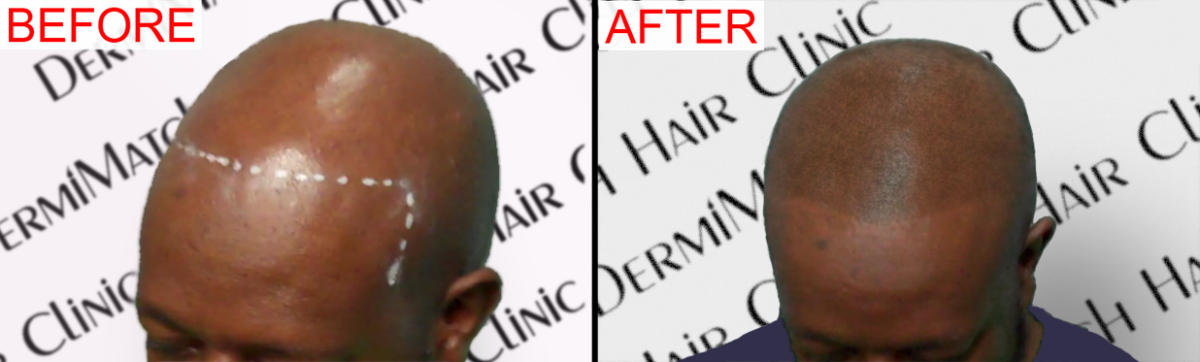
Scalp micropigmentation is a non-surgical procedure that utilizes cosmetic tattooing techniques to create the appearance of tiny hair follicles on the scalp. This results in a natural-looking shaved head effect, effectively concealing hair loss and boosting confidence. Unlike protein intake, SMP offers a more direct and permanent solution for those struggling with hair loss.
Protein is an essential nutrient for overall health, and ensuring adequate intake supports healthy hair growth. However, it’s not a guaranteed solution for hair loss, especially for individuals experiencing significant hair loss. In such cases, scalp micropigmentation provides a viable alternative for achieving a natural-looking, fuller head of hair.
Protein and hair growth connection is real but protein intake helps only if the cause of your problem is nutritional deficiency. SMP can certainly be a solution.
Consult with the best Arizona SMP practitioners at DermiMatch Clinic. They are the leading names in scalp micropigmentation and have helped thousands of clients with their hair loss woes.