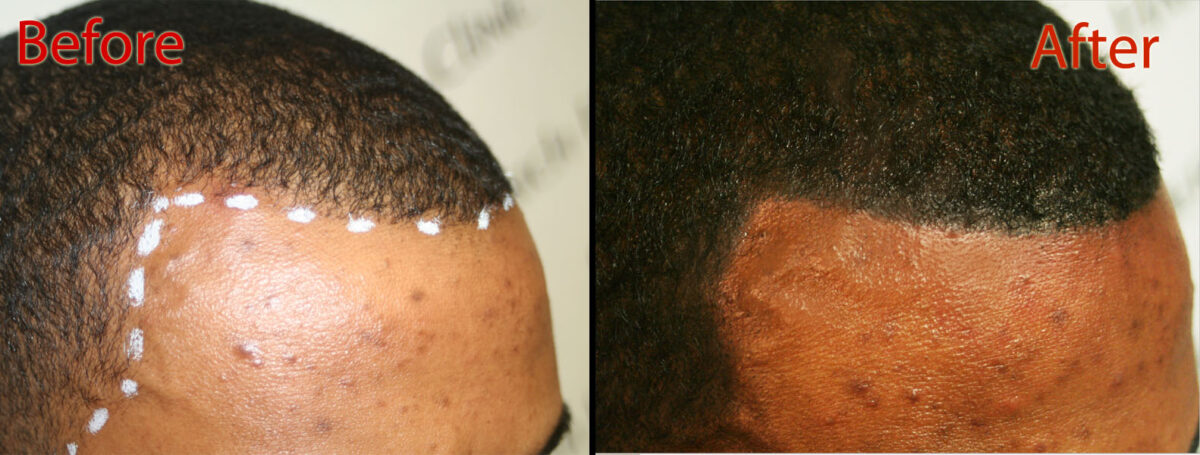
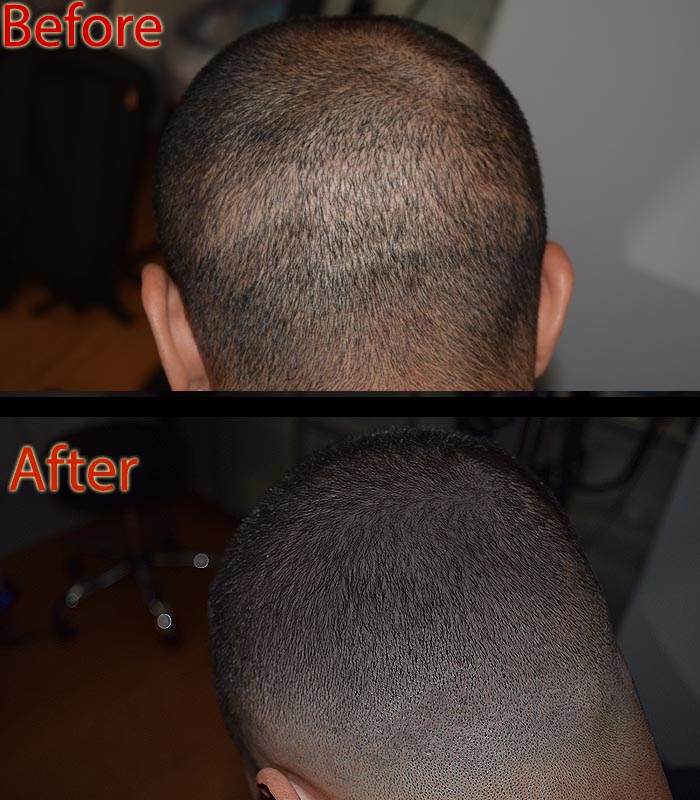
A head injury can heal and still leave a mark you notice every day. Cuts, burns, stitches, and surgery often damage the follicles underneath. As a result, hair grows around the wound but skips the scar itself, and that gap catches the eye. Fortunately, scalp micropigmentation for scars can soften the difference and help the whole area blend in.
Why Do Scalp Scars Stand Out?
Scar tissue rarely supports new hair. Once follicles die, the skin turns pale, shiny, or slightly sunken, so it looks nothing like the hair beside it. Many people first reach for serums, fibers, or a longer style to cover the spot. Those tricks may thicken nearby hair, yet they cannot wake follicles that trauma destroyed. Meanwhile, ongoing shedding tends to widen the contrast over time.
Can Scalp Micropigmentation Cover a Traumatic Scar?
Yes, in most fully healed cases, it can. During scalp micropigmentation for scars, a trained specialist places tiny pigment dots across and around the mark. These dots imitate shaved follicles and bridge the scar to the hair nearby.
However, SMP will not flatten a raised scar or erase its texture. It hides the scar rather than removing it, so realistic results depend on the scar’s color, depth, and the hair density around it.
When Is Your Scar Ready for SMP?
Timing matters a great deal. A fresh wound needs several months to settle, and most specialists wait until the scar looks stable and pale instead of red or raised. If the skin still feels sore, swollen, or irritated, see a doctor before you book any cosmetic work. Good scalp health also improves the blend, so your practitioner should study the surrounding skin, your shedding pattern, and your usual hairstyle first.
Does it Hurt, and How Many Sessions Will You Need?
Most clients find the process far gentler than a standard tattoo. Because the needle stays shallow, you may feel only a light scratch or tingle. Scar tissue can also absorb pigment unevenly; therefore, Arizona SMP practitioners build the look slowly. In general, expect two to four sessions spaced a couple of weeks apart to reach a natural, even finish.
Travel, Sun, and Aftercare
Plan your calendar around each visit. Right after treatment, your scalp needs simple care and a short break from heavy sweating, swimming, steam, and washing. If you fly somewhere hot, shield the healing skin exactly as your specialist directs. Sun exposure can fade pigment later too, so keep protecting your scalp long after it heals.
How Long Does Scalp Micropigmentation for Scars Last?
Results usually hold for several years before they soften. Even so, sunlight, skin type, and aftercare all shape how the pigment ages. A quick touch-up can refresh any area that fades, which keeps the scar hidden without redrawing the whole scalp.
Choose The Right Hands
Hair growth serums promise a lot, yet they cannot rebuild follicles that the scar tissue replaced. When those bottles fall short, scalp micropigmentation for scars offers a realistic and lasting way forward. Still, scar work demands real skill. Scarred skin behaves unpredictably, and sloppy depth or color can make the mark louder, not quieter.
Many tattoo artists now advertise SMP without proper training, so look past the ink and check for genuine credentials. Choose a certified Arizona SMP specialist with healed scar results you can actually see. That one decision decides whether your scar finally disappears into your hair or simply hides beneath a fresh layer of pigment.
Scalp micropigmentation Arizona experts at DermiMatch Clinic are a trusted name in the SMP industry. Schedule a consultation now!