
CALL TODAY! 480-788-2432
CALL TODAY! Service: 480-788-2432 | Products: 833-436-4247
Categories
scalp micropigmentation

Hair Loss and Mental Health: Is It Connected?

Nobody warns you about how much hair loss will hurt emotionally. You notice the first thinning. You tell yourself it is fine. Then one day, you catch your reflection under bright light. The person staring back looks older. That is when hair loss and mental health become impossible to separate. Hair has greater social and psychological significance compared with its biological importance to mankind.

A head full of hair is perceived as a sign of gender, youthfulness, vigor, and status. When it starts disappearing, confidence often disappears with it.

Can Hair Loss Really Cause Depression?

Yes, it absolutely can. Adults with alopecia areata were at a high risk of depression. That is not a small number. About 33% of adults with alopecia areata have anxiety. Hair loss and mental health are deeply connected because hair is tied to identity.

The relationship between psychiatric disorders and hair loss appears to be bidirectional. Psychological stress can serve as a trigger or aggravating factor for various types of hair loss. On the other hand, the experience of losing hair can amplify psychiatric symptoms, such as anxiety and depression. People with alopecia areata may show a high risk for adjustment disorder and severe social anxiety.

Many people begin avoiding photos and bright lighting. Some even avoid social events entirely. In one study, 88% of female participants reported hair loss harmed their daily life, 75% reported it harmed their self-esteem, and 50% reported social problems because of their hair loss.

What Is Scalp Micropigmentation?

Scalp micropigmentation is a non-surgical treatment that places tiny pigment dots into the scalp. The pigment replicates the look of natural hair follicles. For someone with thinning hair, it creates the illusion of density. If you have a receding hairline, it helps restore definition. For someone with a shaved head, it produces the look of a fresh buzz cut. SMP does not grow hair. It changes how your scalp looks. That visual shift creates a psychological shift.

Why SMP Is a Confidence Reset

Baldness has been strongly associated with depression, anxiety, and low self-confidence. Men rarely speak openly about how much hair loss upsets them. It is a shameful secret. Hair loss can be so shocking that some men will sometimes feel unable to leave the house. SMP delivers immediate visual improvement.

There is no long waiting period or harsh medications involved. Clients often say they feel relieved after their first session. This shift is not just cosmetic. It is mental freedom.

How Is SMP Different from Other Hair Loss Solutions?

Hair transplants involve surgery, cost, and recovery time. Medications may slow hair loss but require long-term use. Hair fibers and concealers wash away. Wigs and hair systems require maintenance and create ongoing fear of detection. SMP offers consistency. Once healed, it stays in place. It looks natural. It requires minimal upkeep. For many people, that stability reduces daily stress. Individuals living with alopecia spent hundreds to thousands of dollars on cosmetic cover-ups like hair pieces and eyebrow microblading. SMP eliminates that cycle.

Will SMP Look Fake?

When performed by a trained scalp micropigmentation Arizona specialist, results are subtle and realistic. Proper pigment matching and hairline design are essential. The goal is undetectable density. SMP is also non-surgical and minimally invasive. There is little downtime. Most people return to normal activities quickly.

Choosing the Right SMP Artist Is Critical

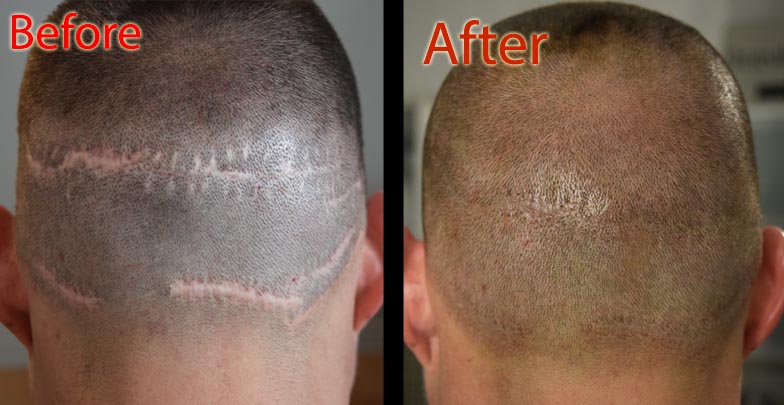
With the growing popularity of scalp micropigmentation, many traditional tattoo artists now claim they can perform SMP. This is risky. SMP requires specialized training in scalp anatomy, pigment depth, hairline design, and natural density patterns. A tattoo artist who lacks SMP experience may use incorrect needle depth, wrong pigment tones, and unnatural spacing. This can lead to blurred dots, discoloration, and artificial hairlines. Correcting poor SMP work is far more difficult than doing it right the first time.

If you are considering SMP in Arizona, review real client results. Look for healed photos. Not just fresh treatments. Ask about training, experience, and specialization in scalp micropigmentation specifically. A qualified Arizona SMP specialist will welcome these questions.

They will answer with transparency and confidence. Anyone who cannot provide clear answers is not the right choice. When hair loss begins to affect your mental health, taking action matters. The right SMP artist does not just restore the look of hair. They help restore how you feel about yourself.

DermiMatch Clinic professionals are happy to help. Get in touch for the best scalp micropigmentation results in Arizona.
Categories
scalp micropigmentation

Traction Alopecia from Braids

Braids are beautiful. Extensions add length and volume. Weaves can protect natural hair. But over time, these same styles can cause something many women never expected. Hair loss that does not grow back. This is called traction alopecia from braids. It affects more women than most people realize.

What Is Traction Alopecia from Braids?

Traction alopecia from braids is hair loss caused by constant pulling on hair roots. The pulling happens over and over again. When braids, cornrows, or extensions are installed too tightly, they place mechanical stress on your scalp. The tension is applied day after day. Eventually, your hair follicles weaken. They stop producing hair. The damage becomes permanent.

How Do You Know If You Have Traction Alopecia from Braids?

Early signs include itching, soreness, or increased flaking of the scalp. Hair loss typically begins at the hairline. It is especially noticeable at the temples. You may notice thinning between the braids. You may see bald patches that were never there before. If caught early, this kind of hair loss can be reversed.

You simply need to stop the tight hairstyles. But if the pulling continues for too long, your hair follicles become damaged. The hair loss may become permanent.

Can Traction Alopecia from Braids Be Reversed?

This is the question every woman asks. The answer depends on timing. Traction alopecia can improve when it has only been present for a few weeks or months. You must stop applying tension to your hair. But if the pulling continues for years, the follicles become scarred. Scarred follicles cannot produce hair anymore. Once scarring happens, natural regrowth becomes nearly impossible.

Why Natural Remedies Often Fail

Many women try oils, scalp massages, vitamins, and special shampoos. These can support overall hair health. But they cannot reverse follicle damage. Products with minoxidil may help regrow some hair in about three to six months. About 40% of users see improvement. That means 60% see little to no improvement. When traction alopecia from braids has progressed to scarring, topical treatments simply do not work. The follicles are too damaged. The hair will not grow back.

What Is Scalp Micropigmentation and How Does It Help?

Scalp Micropigmentation is a process that implants pigment into the scalp. The pigment creates the look of a buzz-cut. SMP involves the use of specialized needles to deposit tiny pigment dots. These dots look like natural hair follicles.

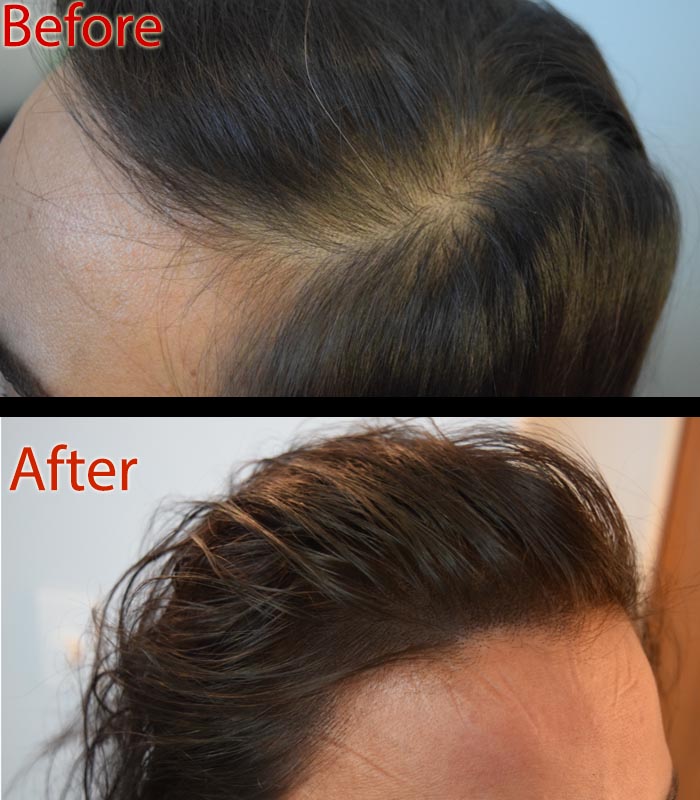
For women with traction alopecia from braids, SMP creates the illusion of density. It fills in the gaps where hair used to be, redefining the hairline.

Does SMP Look Natural on Women’s Hairlines?

Yes, it does. When done by a trained SMP specialist, the results can be subtle and ultra-natural. They look natural even from close up. SMP is particularly effective for women because it works around existing hair. It does not require shaving your head. The pigment is matched to your natural hair color. The density is customized to your specific pattern of thinning. The result looks like real hair growing from the scalp.

How Is SMP Different from Hair Fibers or Wigs?

Hair fibers wash off every time you shower. Wigs can slip out of place. Toppers require daily maintenance. SMP is permanent. There’s no need for daily upkeep or maintenance.

Once the treatment is complete, you live your life normally. There is no daily routine. There is no anxiety about your hairline showing.

Will SMP Damage My Natural Hair?

No, it will not. Scalp Micropigmentation does not damage healthy hair follicles. It does not affect hair growth. The needles used only go into the upper dermis layer of the skin. They do not reach hair follicles. They cannot damage them in any way. The pigment sits in the upper layer of your skin. It does not interfere with any remaining hair growth. If you still have some hair in the affected areas, SMP enhances it.

When Natural Remedies Have Not Worked

Many women spend years trying to fix traction alopecia from braids naturally. They stop wearing braids but use growth serums. They take supplements and massage their scalp daily. Some see mild improvement. Most reach a point where the effort no longer matches the result. This is when scalp micropigmentation becomes the realistic answer. It does not wait for regrowth to happen. It creates visual density immediately. For women who have tried everything else, SMP offers something different. It offers a solution that actually works.

Choosing the Right SMP Artist Is Critical

This is where the conversation demands serious attention. The rise in popularity of SMP has brought an influx of tattoo artists who claim they can perform scalp micropigmentation. They cannot do it properly. This is a highly advanced procedure and must be carried out by an expert or professional.

It requires various techniques to replicate hair follicles. SMP is not traditional tattooing. It requires specialized pigments and precise needle depth control. For the success of treatment, it requires an understanding of hairline design specific to women.

With the right SMP artist, women can restore their hairline and sense of self.

Finding the best Arizona SMP professional is easy. DermiMatch Clinic is the right place to head to in search of a professional scalp micropigmentation artist in Arizona.