
CALL TODAY! 480-788-2432
CALL TODAY! Service: 480-788-2432 | Products: 833-436-4247
Categories
scalp micropigmentation

Does Hair Growth Shampoo Really Prevent Hair Loss?

Walk into any pharmacy and you will find an entire shelf dedicated to the promise of thicker, fuller hair. Bold claims. Scientific-sounding ingredients. Before-and-after photos that make you reach for your wallet. Most people battling hair loss have been there — hopeful bottle in hand, wondering if this one will finally be different. Sadly, it usually isn’t. Then you see hope in the long list of hair growth shampoos!

The Hair Growth Shampoo Myth Nobody Wants to Admit

Shampoo is the most preferred hair loss treatment alternative that fits into a routine you already have. It does not require a prescription, a clinic visit, or a serious conversation about how much hair you have actually lost. You simply lather, rinse, and hope.

Here is the problem. Even if it is touted to be for hair growth, shampoo cleans. That is genuinely what it does best. It removes oil, scalp buildup, dead skin cells, and product residue. A clean, healthy scalp does give your remaining hair a better chance. However, cleaning the surface of your skin and reversing what is happening beneath it are two completely different things. Shampoo never reaches the follicle level where real hair loss begins.

What Is Actually Causing Your Hair to Fall Out?

This is the question most hair growth shampoo marketing carefully avoids. Hair loss — in the majority of cases — is driven by genetics, hormonal changes, and a hormone called DHT. It shrinks hair follicles progressively over time, producing thinner and weaker strands until growth eventually stops. That process starts deep below your scalp, far beyond where any shampoo ingredient ever reaches.

Some formulas do contain genuinely useful ingredients.

  • Ketoconazole can reduce scalp inflammation.
  • Caffeine shows some ability to mildly stimulate follicle activity.
  • Biotin supports the structural health of the hair shaft.

These ingredients are not worthless. But they cannot stop the underlying biological process that is driving hair loss. Dermatologists will say the same thing every time: shampoo alone will not reverse it.

Why Do People Keep Buying These Products?

Accepting that your hair loss needs a real solution is not easy. So the cycle continues. Try a hair growth shampoo for three months. See some initial reduction in shedding. Feel hopeful. Then watch the thinning continue. Move on to the next product. Try a hair regrowth serum. Wait another six months. Feel frustrated when the results plateau. Sound familiar?

This is one of the most common experiences people share when they seek an alternative – something more permanent.

Why Choose Scalp Micropigmentation?

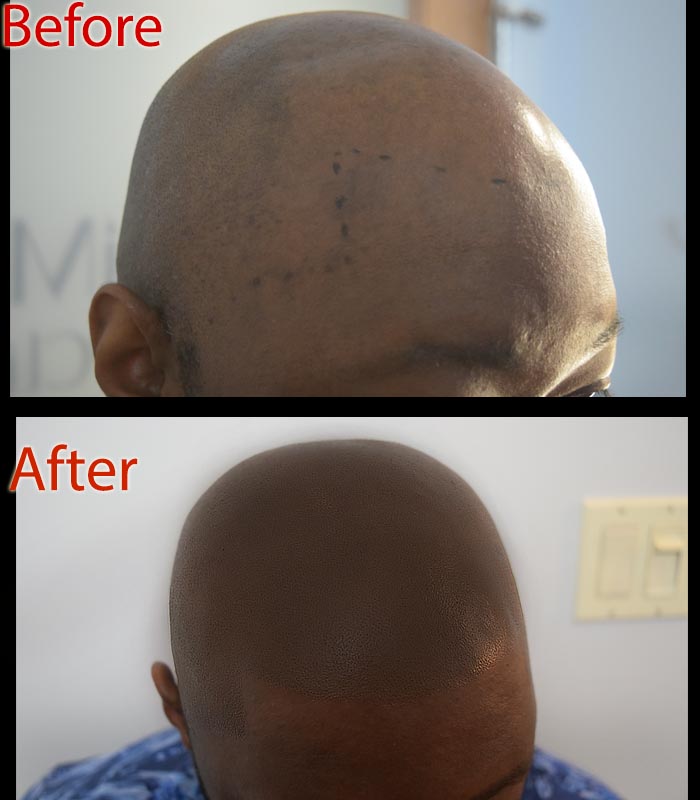
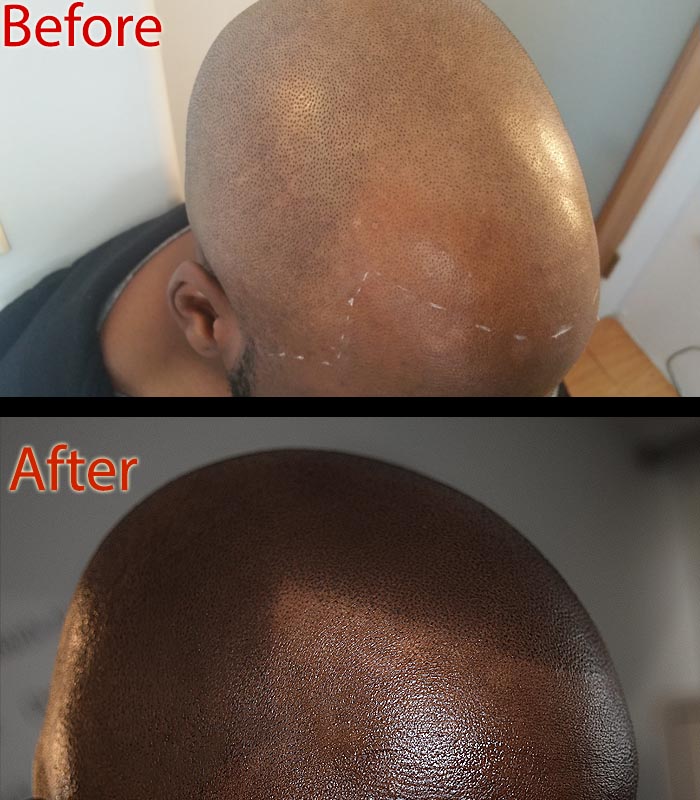
Scalp micropigmentation does not try to compete with shampoo or serum on the same terms. It solves a different problem. SMP places thousands of tiny, precisely crafted pigment impressions across the scalp. The result looks like a buzz-cut full head of hair. No waiting three months to see if something is working.

That immediacy matters more than most people realize. After years of products that demanded patience and delivered uncertainty, seeing a real transformation in the mirror — the same week — changes something. People sit up straighter. They stop avoiding cameras. They go back to situations they had quietly been ducking.

Who Is SMP Right For?

If you are in the early stages of hair loss and still have responsive follicles, a good hair loss treatment plan — possibly including medicated shampoo, minoxidil, or other clinically backed options — may genuinely help. There is a place for those tools in the right circumstances.

However, if products have stopped working, if your thinning has reached a stage where topical treatments no longer make a visible difference, or if you simply want a permanent and predictable outcome rather than another experiment, SMP delivers what everything else cannot. It works across all stages of hair loss. It suits men and women equally. It requires no ongoing product routine and no biological cooperation from follicles that have already given up.

But poorly executed SMP looks unnatural. The dots appear too large, too dark, or unevenly distributed. Even worse, correcting bad SMP work is significantly harder than getting it done right the first time. So what is the moral of the story?

Make the right choice in the first place. Before you book anyone, look at their portfolio carefully to ensure you find the right hands for your Arizona scalp micropigmentation work.

A skilled and experienced SMP specialist understands how to create results that look completely natural — because they have spent years studying the scalp, not the skin. That’s where DermiMatch scalp artists get an edge. Schedule a consultation now and get started with your Arizona SMP job.
Categories
scalp micropigmentation

The Biggest Hair Loss Myths

Nobody searches for a “temporary hair loss treatment.” Everyone wants the permanent fix — the one thing that ends the cycle of trials and disappointments. That desire is completely understandable. It also makes people vulnerable to an industry that has built an entire business model around exploiting it. Here are hair loss myths that you must focus on!

Hair Loss Myths: Treat It Once, and You Are Done

This is the version of “permanent” people picture — one product, one procedure, problem solved forever. That version simply does not exist in a bottle or a pill. Minoxidil works while you use it. Stop, and hair loss resumes within months.

Finasteride slows DHT-driven follicle shrinkage only as long as you keep taking it. These treatments manage hair loss. They do not cure it. Most marketing deliberately blurs that distinction, and most people only discover the truth after months of committed use and a pharmacy bill they did not expect to be ongoing.

Myth Two: Hair Growth Serums Work for Everyone

Do hair growth serums actually work? The honest answer is: it depends entirely on why you are losing hair.

Serums can help people experiencing early shedding triggered by stress or nutritional deficiencies. For those people, results feel genuinely encouraging. However, for anyone dealing with androgenetic alopecia — the genetic pattern baldness responsible for the vast majority of cases — serums hit a biological wall fast.

DHT shrinks follicles from the inside out. Better scalp circulation and topical nutrients cannot reach deep enough to change that. Yet the bottles keep selling because hope is a powerful thing to market.

Myth Three: Hair Transplants Solve Everything

Transplanted follicles do survive long-term, but transplants relocate existing hair. They do not stop hair loss from continuing around the transplanted area.

Many people eventually notice their transplanted hair sitting against a backdrop of ongoing thinning, producing a result that grows less natural-looking over time. Add a limited donor hair supply into the equation, and it becomes clear that even surgery does not deliver permanence without fine print.

Myth Four: Keep Trying and Something Will Work

One of the hair loss myths everyone falls prey to. Keep trying, and something will work. True, the logic sounds reasonable — different bodies respond differently, maybe the next formula will land differently. However, once follicles miniaturize past a certain point, no topical product reverses that process. Continuing to search for the right product at that stage is not persistence.

Where Scalp Micropigmentation Changes Everything

SMP does not promise regrowth, nor is it part of any hair loss myths. That honesty alone separates it from almost everything else in the hair loss treatment market. Instead of asking your biology to cooperate, scalp micropigmentation immediately changes what you actually see in the mirror.

Tiny pigment deposits, placed with precision across the scalp, replicate the appearance of natural hair follicles. The result looks like a closely shaved head of hair. You see it after your first session. That means no endless waiting for results.

For people exhausted by years of treatments that delivered partial results and then stopped, SMP feels less like another option and more like a completely different kind of answer. It works across all stages of hair loss, suits men and women equally, and requires no daily product routine to maintain. The confidence it restores tends to be immediate — and that matters just as much as the visual result.

The One Decision That Can Ruin Everything

Tattoo is body work, and it is not similar to scalp micropigmentation. But some tattoo artists claim to offer cheap SMP services to lure clients. If you do not fall for hair loss myths, you should avoid tattoo artists, too.

Sadly, some do fall into this trap and end up with substandard results.

There are reasons galore that differentiate SMP from tattoo work.

Standard tattoo inks fade into blue and green tones — exactly what you do not want on your scalp. Tattoo needle depths and pigment formulas are designed for body art, not for mimicking hairline follicles on skin that moves and ages differently.

Poorly executed SMP looks blotchy, unnatural, and is genuinely difficult to fix. Some cases need laser removal before anything else is possible.

On the other hand, an Arizona SMP specialist understands follicle density, skin undertones, and how pigment behaves over the years. A tattoo artist with a weekend certificate does not.

Your confidence is not a place for shortcuts. Bust any hair loss myths and make sure the person holding the needle has truly earned the right to be there. Finding one is not tough either. Get the best Arizona scalp micropigmentation consultation at DermiMatch Clinic. Your one-stop shop for all things SMP.