
CALL TODAY! 480-788-2432
CALL TODAY! Service: 480-788-2432 | Products: 833-436-4247
Categories
scalp micropigmentation

Natural Remedies for Hair Loss: TikTok Hacks vs. SMP Reality

Scroll TikTok for five minutes, and someone will promise you thicker hair by Friday. One creator pours rice water over her scalp. Another rubs onion juice along his hairline. A third swears a rosemary spray saved his crown. These clips pull millions of views because they feel cheap, easy, and hopeful. But do natural remedies for hair loss deliver what the videos claim? The honest answer surprises most people.

Why TikTok Hair Hacks Go Viral

Hair loss hits confidence hard, so quick fixes grab attention fast. A convincing before-and-after clip needs only good lighting and a fresh blow-dry. Few creators mention their genetics, diet, or the medication they quietly started. Moreover, few doctors post hair advice there. That gap gives myths plenty of room to spread.

Do Natural Remedies for Hair Loss Work?

It depends on what drives your shedding. If low iron, zinc, or vitamin D sits behind it, fixing the deficiency can help. Stress-related shedding often settles once life calms down. Genetic thinning plays by different rules, however. Pattern baldness slowly shrinks follicles, and no kitchen ingredient reverses that process.

Does Rosemary Oil Really Regrow Hair?

Rosemary oil has the strongest research behind it of any viral hack. One small 2015 study found it performed about as well as low-strength minoxidil after six months. Still, researchers tested it on early thinning, not on bald areas. You also need to dilute it, since pure essential oil can irritate scalp skin. Expect slow, modest gains at best.

What About Rice Water and Onion Juice?

Rice water coats each strand and cuts breakage, so hair may look fuller. However, no trial shows it wakes up dormant follicles. Overuse can even leave hair stiff and brittle. Onion juice brings sulfur and a strong smell, yet its evidence stays thin.

Most hair growth routines need three to six months to show a change. That means nightly oiling, weekly rinses, and endless hairline selfies. Busy schedules, travel, gym sessions, and humid weather make that routine hard to keep. Meanwhile, the shedding often continues.

The Reality Check SMP Offers

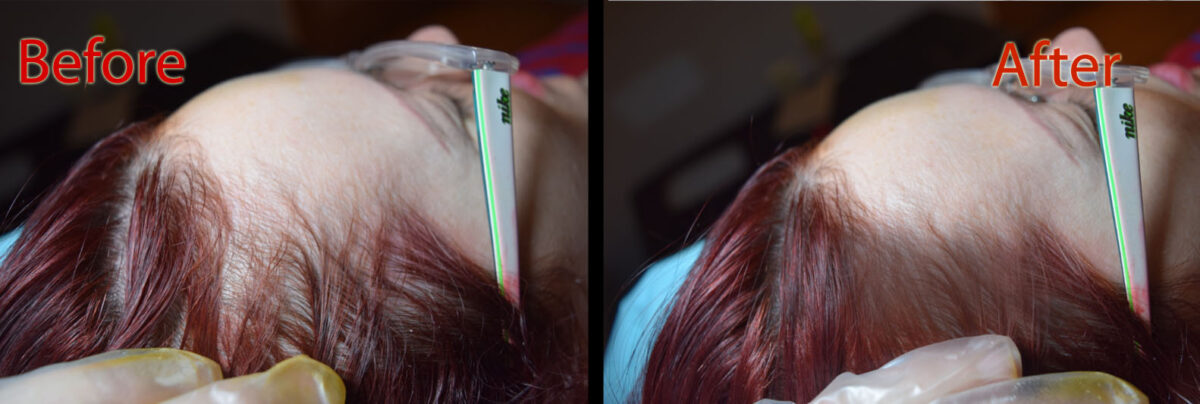
Scalp micropigmentation takes a different path entirely. A trained Arizona SMP specialist places tiny pigment dots into the upper layer of scalp skin. Those dots mimic the look of short, natural follicles. As a result, SMP can recreate a crisp shaved look or soften the contrast behind thinning hair. It needs no daily ritual, holds up through travel and workouts, and shows results right after treatment.

How Long Does SMP Last?

SMP lasts for many years, though the pigment softens gradually. Sunscreen, gentle cleansing, and solid aftercare keep it sharp. A quick touch-up session restores depth whenever you need it.

Natural remedies for hair loss can support scalp health, and some people see real gains. Yet if serums, oils, and viral sprays leave the same thin patches behind, SMP offers a dependable next step. It works with your existing hair instead of waiting on it.

That said, choose your scalp micropigmentation Arizona provider with care. Many tattoo artists now add SMP to their menus after a short workshop. Proper SMP demands different needles, softer pigments, precise depth, and natural hairline design. The wrong hands can leave blurry dots, blue-tinted pigment, or a harsh, helmet-like edge. Do they have proof of SMP-specific training and experience with your hair type?

Then book a consultation with a dedicated SMP specialist who creates results that look real up close. DermiMatch Clinic scalp experts are happy to offer the right scalp micropigmentation services in Arizona. Schedule a consultation with SMP professionals now.
Categories
scalp micropigmentation

Hair Shaft Disorder: Can SMP Restore Confidence?

You wash your hair gently. You skip the flat iron. Still, short snapped pieces cover your pillow every morning. Your follicles may work just fine, yet your hair never grows long enough to cover your scalp. That frustrating cycle often points to a problem inside the strand itself. So what actually causes hair breakage, and what can you do once care routines stop helping?

What Is a Hair Shaft Disorder?

Every strand you see above the skin forms the hair shaft. When that shaft develops weak spots, twists, or cracks, it loses strength. Doctors group these structural faults under the name hair shaft disorders. Some people inherit them from birth. Others build them over years of bleach, relaxers, hot tools, and tight ponytails.

What Causes Hair Breakage?

Daily stress on fragile strands drives most hair breakage. Trichorrhexis nodosa, one of the most common shaft disorders, forms tiny swollen nodes that snap under light pressure. Monilethrix gives hair a beaded look with thin, weak points between the beads. Pili torti flattens and twists each strand, so it splinters near the scalp. Meanwhile, rough towel drying worsens all three.

Is Hair Breakage the Same as Hair Loss?

Not quite, and the difference matters. Breakage leaves the root behind and cuts the strand short somewhere along its length. However, both lead to the same visible result: thin patches and more scalp on show. A dermatologist can tell them apart quickly with a magnified scalp exam.

Can Broken Hair Grow Back?

Yes, as long as the follicle stays healthy. Acquired damage often improves within months once you remove the trigger. Inherited disorders behave differently, though. Many have no cure. In those cases, protecting what grows becomes the main goal.

How Do You Stop Hair Breakage?

Start with gentle habits. Switch to a mild shampoo and conditioner to every wash. Let hair air-dry, and pick loose styles over tight braids. Travel calls for extra care, since chlorine, sun, hard water, and dry cabin air strip moisture fast. Yet even perfect scalp health care cannot rebuild a faulty shaft.

Where SMP Fits In

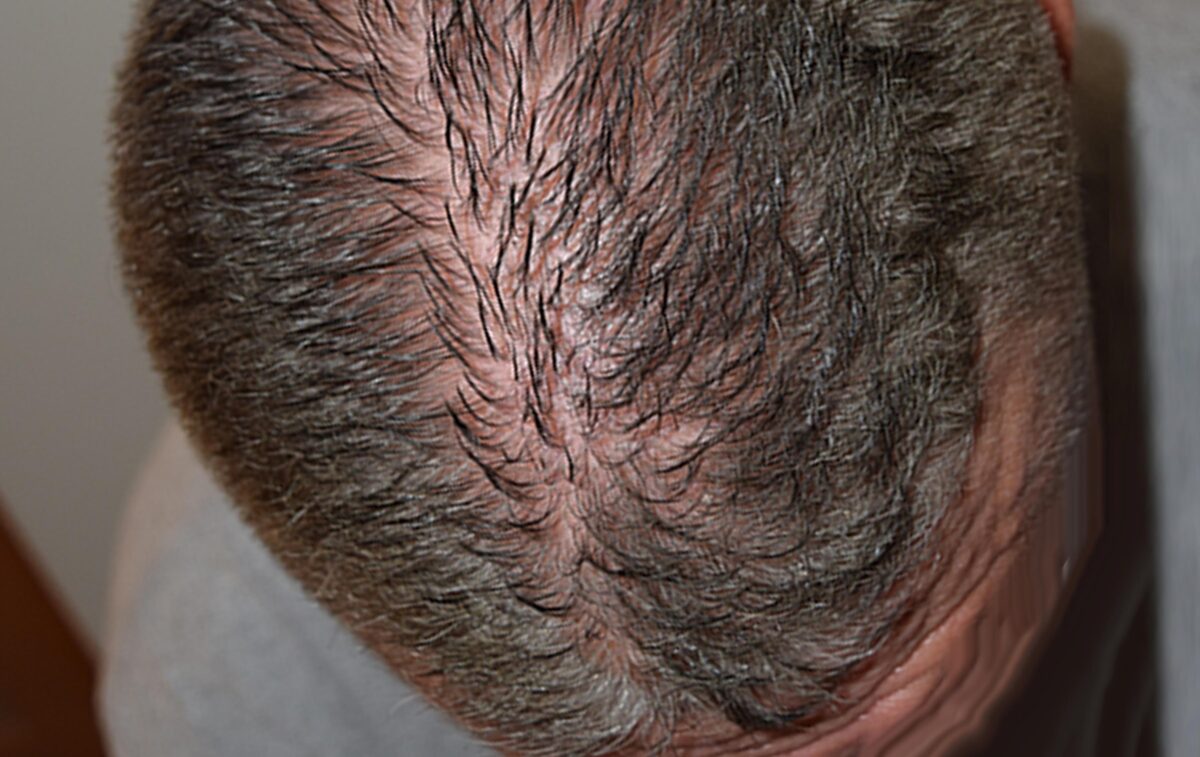
Scalp micropigmentation does not fix the strand. Instead, it changes how thinning looks. A skilled artist places fine pigment points into the scalp to mimic tiny follicles. These points fill the gaps between short, sparse hairs and blur the contrast with bare skin. As a result, your hair reads as denser at a glance, whether you keep it cropped or shaved.

Natural-Looking SMP Starts With Customization

No two scalps look the same, so no two SMP plans should either. A true specialist mixes and tests pigment to match your skin tone, never a stock shade. They also map the treatment around your natural hair pattern, following your growth direction, crown swirl, and existing density. That personal design keeps the result soft and believable.

Choose Confidence and the Right SMP Specialist

Gentle care can slow hair breakage, and serums may support healthy growth. But when products and routines still leave your scalp on display, SMP offers a reliable way to reclaim the look of fuller hair.

Choose your Arizona scalp micropigmentation provider wisely. Real SMP needs specialist needles, precise depth, and a deep understanding of pigment and scalp skin. Untrained hands can leave large dots, color shifts, or a stiff hairline. So review healed client photos, ask about dedicated SMP training, and book a consultation with an Arizona SMP specialist who customizes every detail for you.

That’s where DermiMatch Clinic fits in. Top scalp micropigmentation Arizona professionals are available to customize treatment to fit your specific scalp problems.

Book a consultation now!