
CALL TODAY! 480-788-2432
CALL TODAY! Service: 480-788-2432 | Products: 833-436-4247
Categories
scalp micropigmentation

Uneven Hairline Making Your Face Look Older? Explore a Natural-Looking Fix

You spot it in a group photo first. One temple dips deeper than the other, and your forehead suddenly seems taller. Your skin still looks fresh, yet the face in the picture seems years older. An uneven hairline does that quietly. Fortunately, you can restore balance without surgery or daily cover-ups.

Why Your Hairline Shapes How Old You Look?

People read age from the top of your face down. A crisp, balanced hairline signals youth, while a lopsided one pulls the eye upward. When one temple retreats, your forehead looks broader on that side. Your brows and eyes then seem off-center, even though they have not moved. Bright office lights, slicked-back styles, and selfies all exaggerate the effect.

Is It Normal to Have an Uneven Hairline?

Yes, in most cases. Very few faces are perfectly symmetrical, and hairlines follow the same rule. Many people carry a slight dip, a cowlick, or a widow’s peak from birth. Change is what matters. Hold a recent photo next to one from five years ago. If one side has clearly moved back, active hair loss may be the cause.

What Causes an Uneven Hairline?

Genetics tops the list. Male pattern baldness often thins one temple faster than the other, so a receding hairline frequently starts lopsided. Tight ponytails, braids, and extensions can also pull hair out along the edges, a condition called traction alopecia.

Stress and illness may trigger shedding that thins the front unevenly. Meanwhile, scalp inflammation and harsh chemical treatments weaken follicles near the hairline. Sudden patches, redness, or itching deserve a dermatologist’s attention.

Can an Uneven Hairline Grow Back?

Sometimes, traction damage can recover if you loosen your styles early. Hair shedding caused by stress may settle within months.

Medications, such as minoxidil, help some people, although results may not be the same for everyone and fade with discontinuation. Long-term genetic recession, however, may not reverse.

Hair fibers and root sprays fill the gap for a day. Then sweat, a swim, or a windy travel day undoes the work.

How SMP Restores Facial Balance?

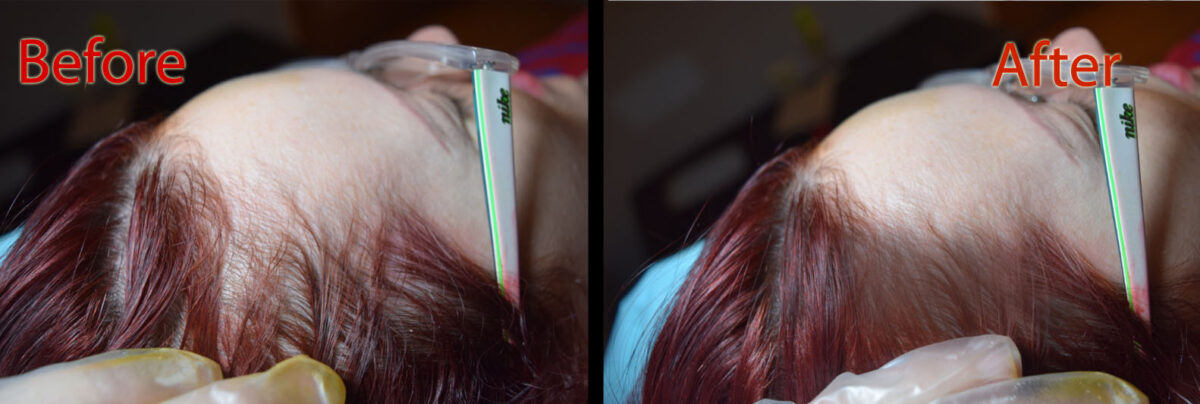
Scalp micropigmentation offers a cosmetic answer. An Arizona SMP specialist places tiny pigment dots that mimic short hair follicles along the hairline. These impressions rebuild the missing edge on the receding side.

As a result, both temples look matched, and your forehead regains its proportions. SMP suits shaved styles and also adds shading behind longer hair. It does not grow new hair. Still, it lasts for years, survives showers, and gym sessions and needs only occasional touch-ups.

Natural Results Start With Customization

A good hairline never looks drawn on. An Arizona scalp micropigmentation specialist first studies your face shape, age, and forehead height. Next, they match pigment to your skin tone and natural color.

Then they follow your direction of hair growth and soften the front edge with scattered dots. This tailored design creates a mature, believable shape rather than a harsh teenage line. It also leaves room for future thinning.

When Serums Fail, Trust a True SMP Specialist

Hair growth serums may help early thinning. Yet some people spend months waiting for a hairline that never returns. At that point, SMP delivers the balance you want without surgery. However, choose your SMP practitioner carefully.

Many tattoo artists now offer SMP with little or no specialized training. Their hairlines often look too dark or too straight, and some turn blue over time. Ask to see healed results, training certificates, and hygiene standards. Then book a consultation with a dedicated SMP specialist and let your face match your true age again.
Categories
scalp micropigmentation

My Hair Is So Thin I Can See My Scalp: Why Thickening Products Fall Short?

You catch it in an elevator mirror. Or a vacation photo shows it first. Under bright light, pale skin peeks through your part, even after a morning of volumizing shampoo and hair fibers. If you keep thinking, “my hair is so thin I can see my scalp,” you deserve a clear answer. You also deserve a fix that outlasts your next shower.

Is It Normal to See Your Scalp Through Your Hair?

Some scalp visibility is normal. Harsh lighting or a fresh haircut reveals skin easily. Wet hair also clumps together and lies flat, so your scalp shows more until it dries. The real warning sign is change. When you compare old photos, thinning shows as a widening part in women. On the other hand, it starts at the crown or temples in men. Either change points to falling hair density.

What Makes Your Scalp Visible?

Density, not strand thickness, drives the problem. Most people shed about 50 to 150 hairs a day. When shedding outpaces regrowth, gaps open between strands. Genetics, hormones, and aging often lead the way. Meanwhile, stress, illness, and poor nutrition can trigger heavy shedding months later. Dark hair over light skin also makes even small gaps stand out. If you notice itching, flaking, or sudden bald patches, see a dermatologist first.

Why Volumizing Shampoos and Fibers Fall Short?

Volumizing shampoos coat the hair shaft and lift the roots, so each strand looks fuller. However, no shampoo can add follicles where nothing grows. Hair fibers cling to existing strands and hide small gaps, yet they need enough hair to grip. Sweat, rain, and pool water can loosen them. For travelers, a beach trip or a humid city break turns daily coverage into constant mirror checks.

My Hair Is So Thin I Can See My Scalp: What Should I Do?

First, hide the gaps with smart styling. Shift your part, blow-dry against the growth direction, and keep heavy oils away from the roots. A shorter cut also lowers the contrast between hair and skin. Still, these steps only buy you a few hours.

How Pigment Creates Visual Density?

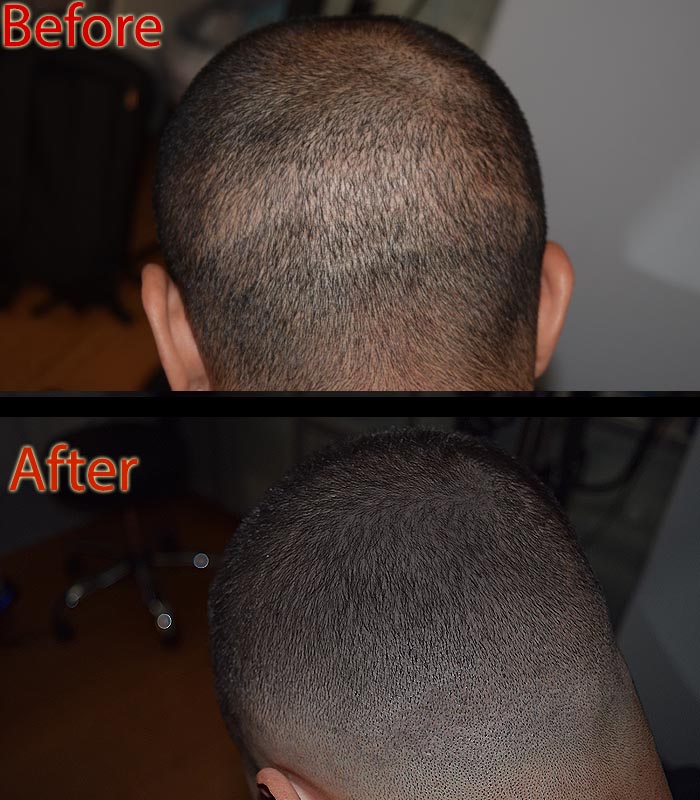
For a lasting fix, scalp micropigmentation targets contrast. A trained Arizona SMP specialist places thousands of tiny pigment dots in the upper layer of the scalp. These dots mimic the shadow of natural follicles beneath your remaining hair. As a result, bare skin stops showing through, and your hair looks denser.

SMP suits widening parts, thin crowns, and diffuse thinning. It does not regrow hair. Once healed, though, it holds up through showers, workouts, and ocean swims. Occasional touch-ups keep the color fresh.

Natural Results Start With Customization

No two scalps look alike. A skilled specialist matches the pigment to your skin tone and hair color. Next, they study your natural hair pattern, including its direction, spacing, and density. Then they design impressions that blend into your hair rather than sit on top of it. This tailored approach separates a believable result from a painted-on look.

When Serums Fail, Choose a True SMP Specialist

Hair growth serums and supplements may support scalp health. Yet many people wait months and still see skin. At that point, SMP offers a dependable way to close the visual gap. Choose carefully, though. Many tattoo artists claim to do SMP without proper skills or training.

Having tattoo skills does not equal SMP expertise, and the wrong needle depth or pigment can cause blurry dots or a blue tint. Ask for healed photos, certifications, and thinning-hair cases. Then schedule a consultation with a dedicated Arizona scalp micropigmentation specialist.