
Acne treatment can change how you look in more ways than one. Many people take strong medication to calm cystic breakouts or hormone-driven flare-ups. The skin clears, yet the scalp sometimes pays a quiet price. Hair starts to fall, the part line widens, and the crown catches more light. So the hunt for a reliable hair regrowth treatment begins.
Can Acne Medication Cause Hair Loss?
Yes, in some people it can. Some drugs push hair follicles into their resting phase too soon. Doctors call this telogen effluvium, and it usually shows up as spread-out shedding rather than one bald patch. Research links it to higher doses and longer courses, although it affects only a small share of users. Even so, the thinning feels real, and it lets the scalp peek through under bright light.
Hormones, Hair Cycle, and the Same Result
Hormonal acne care can trigger shedding, too. Birth control pills, spironolactone, and similar options shift androgen levels to settle the skin. Sometimes those shifts confuse the hair cycle, especially when you start, stop, or switch a medication. Genetics raises the stakes as well. If pattern thinning already runs in your family, one hormone change can simply reveal it sooner.
Will My Hair Grow Back After Medication?
Often it does, but the honest answer depends on the cause. Most medication-related shedding settles once your body adjusts or your doctor tweaks the plan. Still, hair grows slowly, so patience becomes part of the deal. Regrowth can stretch across many months, and density does not always return to where it began.
How Long Does A Hair Regrowth Treatment Take To Work?
That timeline frustrates a lot of people. Minoxidil, serums, and supplements all need steady daily use before anything changes. Most users wait three to six months just for early signs, and progress can fade the moment they stop. Therefore, a fuller look right now stays out of reach, even when the routine technically works.
Why Does Hair Regrowth Treatment Fall Short?
Any treatment leans on active follicles, the correct diagnosis, and real consistency. Some scalps respond beautifully, while others barely budge. That gap rarely means you did something wrong. More often, the follicles simply need more help than a bottle can offer. This is exactly where scalp micropigmentation steps in.
How SMP Fills The Gap?
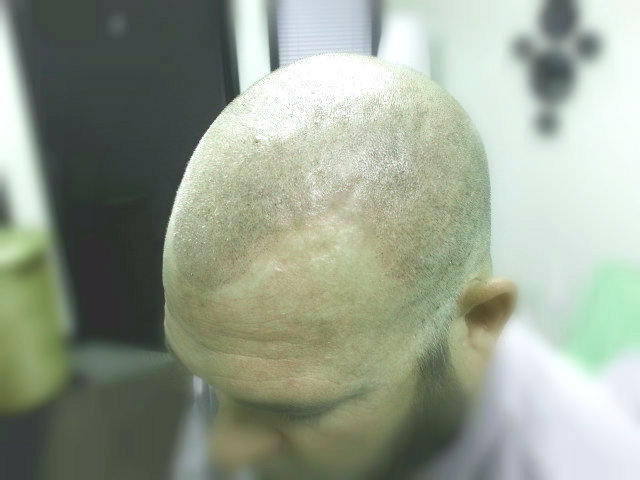
Scalp micropigmentation does not regrow hair, and it never pretends to. Instead, a trained artist places tiny pigment dots that copy the look of natural follicles. Those dots shrink the contrast between hair and skin, so thinning zones suddenly read as fuller. SMP softens a wide part, blurs crown thinning, and rebuilds a crisp hairline. Because the pigment sits visually beneath your existing strands, the finish looks thicker and far more deliberate.
Choose the Right SMP Artist
SMP can come to your rescue when a hair regrowth treatment disappoints, yet the artist decides the outcome. Lately, some tattoo artists claim they handle SMP, too, and that should worry you. Scalp work demands different needles, different pigment, and a genuine feel for hair patterns. A tattoo approach often leaves dots too big, too dark, or set too deeply. So the importance of choosing a dedicated Arizona SMP specialist with healed photos, natural hairlines, and proven density work cannot be ignored. The right hands make a scalp look effortless, while the wrong ones make it look stamped.
Decide which one is better. If an Arizona scalp expert is your first preference, consult the specialists at DermiMatch Clinic. They won’t disappoint.