
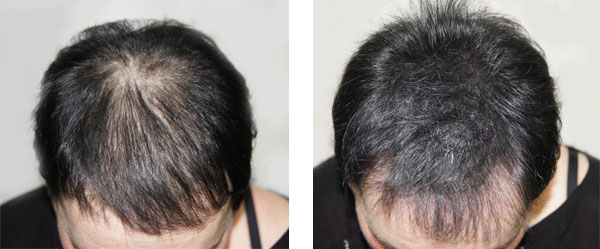
Hitting the gym hard usually builds a stronger, healthier body. Still, when long sessions pile up alongside crash diets, broken sleep, and constant fatigue, your hair can pay the price. So if thinning hair keeps showing up while your training gets tougher, the reason is not always the shampoo bottle.
Can Too Much Exercise Cause Thinning Hair?
Exercise on its own rarely triggers baldness. In fact, movement supports circulation, mood, and overall wellness.
Trouble begins when training repeatedly outpaces recovery. Punishing schedules push cortisol higher, and prolonged stress can spark telogen effluvium, a temporary burst of shedding. Even so, genetics, hormones, and nutrition usually matter far more than your workout. Your gym habits only deserve suspicion when unexplained thinning hair arrives alongside exhaustion and skipped rest days.
How Do You Know If Overtraining is the Culprit?
Watch the timing first. Stress-related shedding often surfaces two to three months after the trigger, so the cause rarely feels obvious.
Next, look at the whole picture. Rapid weight loss, low iron, and skimpy protein all starve follicles of what they need. Therefore, thinning hair frequently reflects your plate and your recovery, not just the barbell.
Will Hair Grow Back After Workout Stress?
That depends entirely on the cause. Hair that thins from telogen effluvium usually returns once you fix the trigger, whether that means eating more, resting more, or easing the intensity.
Pattern baldness plays by different rules, though. Androgenetic alopecia slowly shrinks follicles, so strands turn finer, coverage fades, and more scalp peeks through. Because these causes differ so sharply, no single fix suits every case of thinning hair.
When Serums Can’t Cover Thinning Hair?
Minoxidil remains a popular starting point. However, results swing widely from one person to the next.
The American Academy of Dermatology notes that some users regrow hair while others notice barely anything. On top of that, regrowth can take six to twelve months, and stopping the product reverses the gains. More importantly, regrowth and visible density chase two different goals. Someone with advanced thinning can still see plenty of scalp after months of effort — and that gap is exactly where scalp micropigmentation steps in.
How SMP disguises thinning hair?
Scalp micropigmentation does not revive follicles. Instead, a skilled artist layers tiny pigment dots into the scalp that mimic real hair follicles.
On a shaved head, those dots recreate the look of a fresh buzz cut. Across longer, thinning hair, they shrink the contrast between strand and scalp, so the whole area reads as fuller. As a result, SMP appeals strongly to anyone who chased regrowth for months yet still dislikes the mirror. Best of all, the effect holds once healing finishes — no daily foam, no waiting, no wondering.
Choose Your SMP Artist With Real Care
Great SMP looks completely natural, but only in trained hands. This matters more than ever, because plenty of tattoo artists now advertise SMP without truly specializing in it.
Tattoo skill alone does not translate to the scalp. Pigment choice, dot size, needle depth, spacing, and hairline design all demand SMP-specific training, and sloppy work leaves oversized dots, odd colors, or a fake-looking hairline. So before you book, study healed results rather than fresh photos. Ask about training, hygiene, fading, touch-ups, and experience with your skin tone and stage of thinning hair.
When serums fall short, SMP offers a faster, more dependable path to achieving the hair density you want. Pick the right Arizona SMP specialist, and thinning hair finally stops stealing the spotlight — often the exact change you have been chasing all along.
DermiMatch Clinic has a team of scalp micropigmentation Arizona professionals who are skilled and specialized in SMP services.