CALL TODAY! 480-788-2432
CALL TODAY! Service: 480-788-2432 | Products: 833-436-4247
Categories
scalp micropigmentation

How Harsh Hair Products Cause Hair Loss?

You might not want to believe but the fact is that harsh hair products cause hair loss. This is the story of millions of people worldwide, yet many don’t realize their favorite shampoo or styling product could be the culprit. Do you? Recent FDA investigations have linked specific hair cleansing products to significant hair thinning, breakage, and even permanent follicle damage.

How Can Harsh Hair Products Cause Hair Loss?

Yes, certain shampoo ingredients can trigger hair loss. The FDA received thousands of adverse event reports about styling products, with users experiencing severe hair thinning and scalp irritation. Studies show that mice treated with these products displayed abnormal hair growth cycles, proving the connection between harsh chemicals and follicle damage.

 Which Ingredients Are Destroying Your Hair?

The worst offenders in hair loss caused by harsh hair products include sodium lauryl sulfate (SLS), which strips natural oils and weakens hair shafts. Parabens disrupt hormonal balance, while high alcohol content in styling products causes extreme dryness and breakage.

DMDM hydantoin releases formaldehyde and has sparked numerous class-action lawsuits after users reported severe hair loss and scalp burns.

Why Chemical Treatments Accelerate Hair Damage?

Hair loss often worsens with chemical treatments, such as perms and permanent dyes. These processes use oxidants, such as hydrogen peroxide, that penetrate deep into hair structure, weakening both the cuticle and cortex. Over time, repeated exposure creates irreversible damage that no amount of conditioning can repair.

 Is Hair Product-Related Loss Permanent?

Unfortunately, hair loss caused by harsh hair products can become permanent when chemical damage extends to the follicle itself. While temporary breakage may recover with gentler products, chronic scalp inflammation from toxic ingredients can permanently impair follicle function. This is why prevention and early intervention are crucial.

Natural Remedies Often Fall Short

Many people try switching to sulfate-free shampoos, reducing wash frequency, or using natural oils to reverse hair loss caused by harsh hair products. While these steps help prevent further damage, they cannot restore hair that’s already gone or repair permanently damaged follicles. This is where modern solutions become essential.

Scalp Micropigmentation: The Game-Changing Alternative

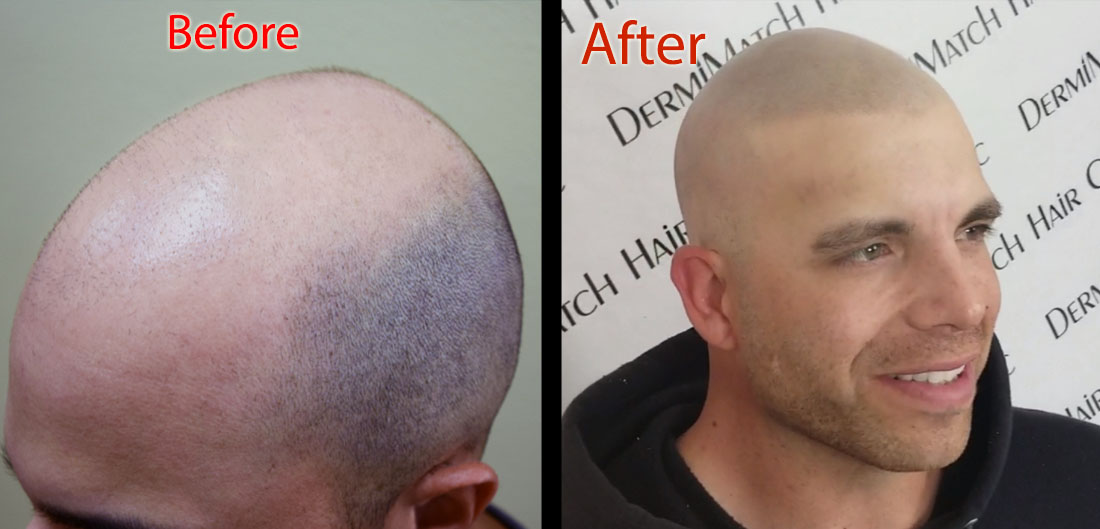
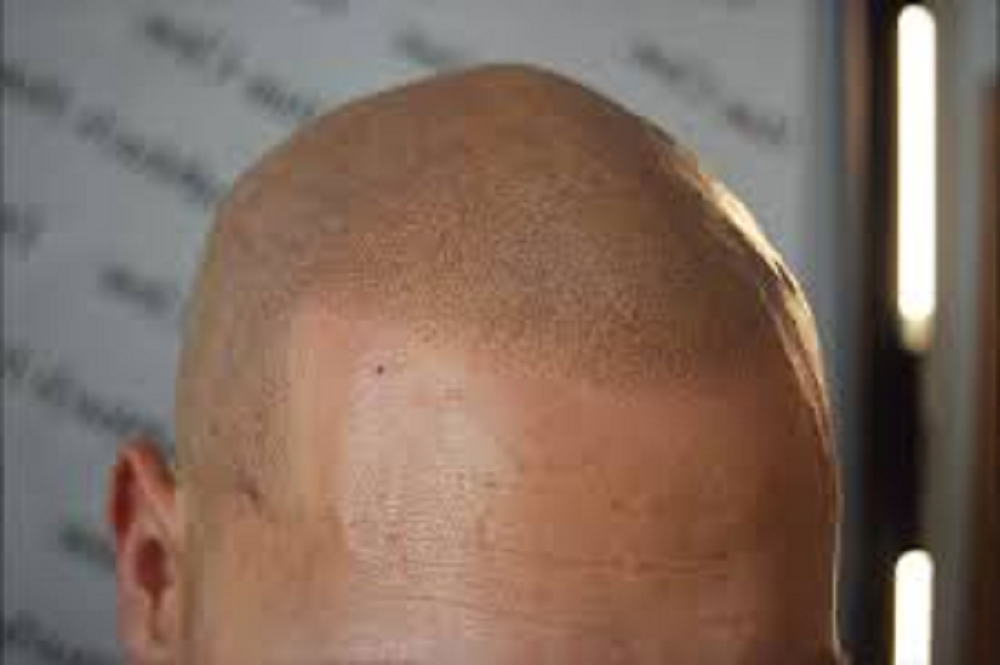
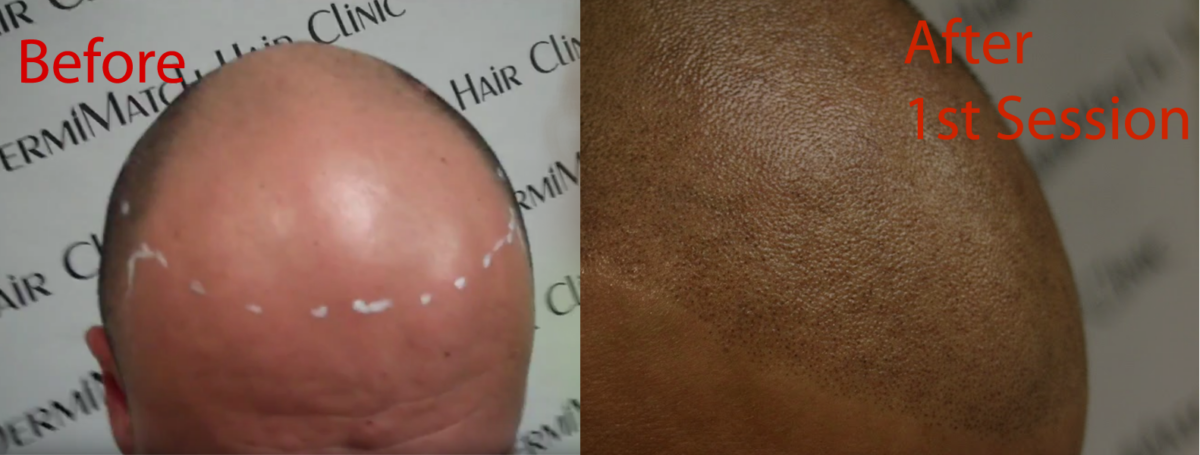
When natural remedies fail to address hair loss caused by harsh hair products, scalp micropigmentation offers an immediate, effective solution. Unlike topical treatments that promise regrowth, SMP creates the visual appearance of fuller hair by depositing medical-grade pigments into the scalp. This non-surgical procedure works regardless of the underlying cause of hair loss.

SMP requires no harsh chemicals, poses no risk of further follicle damage, and provides instant results. The treatment helps those using harsh hair styling products and suffering from hair loss.

Choosing the Right SMP Artist

With rising popularity comes risk – many traditional tattoo artists now claim to offer SMP services without proper training. This is dangerous. Scalp micropigmentation requires specialized equipment, medical-grade pigments, and a deep understanding of scalp anatomy. Regular tattoo ink will fade incorrectly and create unnatural colors over time.

Look for certified SMP specialists with extensive before-and-after portfolios, proper medical facility credentials, and specific training in scalp micropigmentation techniques. Avoid practitioners who use standard tattoo equipment or cannot demonstrate specialized SMP certification.

Unfortunately, harsh hair products cause hair loss that could become permanent, affecting your appearance forever. While prevention through gentler products is ideal, SMP provides a permanent solution when damage is already done. Choose your Arizona SMP artist as carefully as you should have chosen your hair products – your confidence depends on both decisions.

Get in touch with top scalp practitioners in Arizona at DermiMatch Clinic now.
Categories
scalp micropigmentation

PCOS-Related Hair Thinning in Women

PCOS-related hair thinning affects up to 70% of women diagnosed with polycystic ovary syndrome, yet many don’t realize the connection between their hormonal disorder and progressive hair loss.

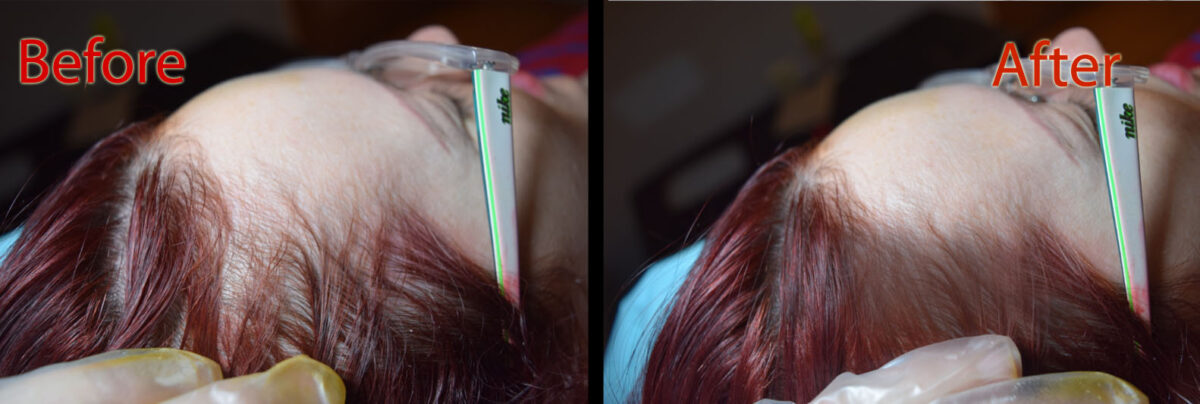
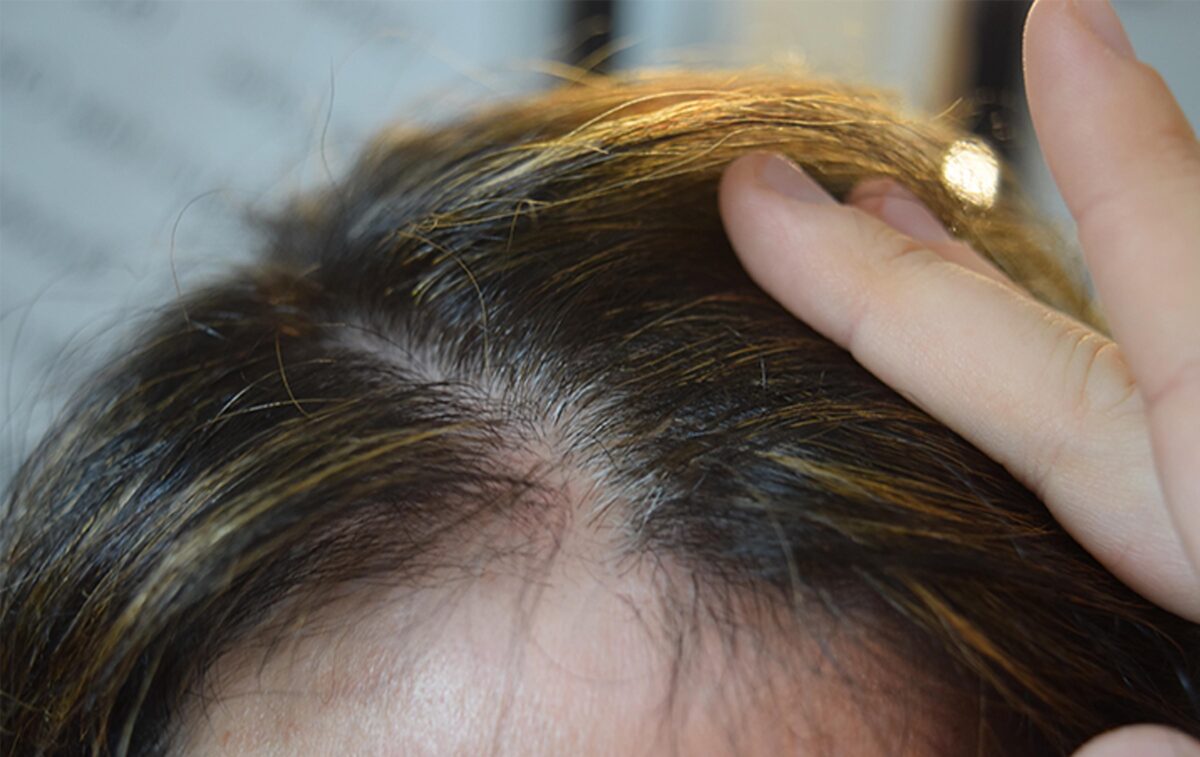
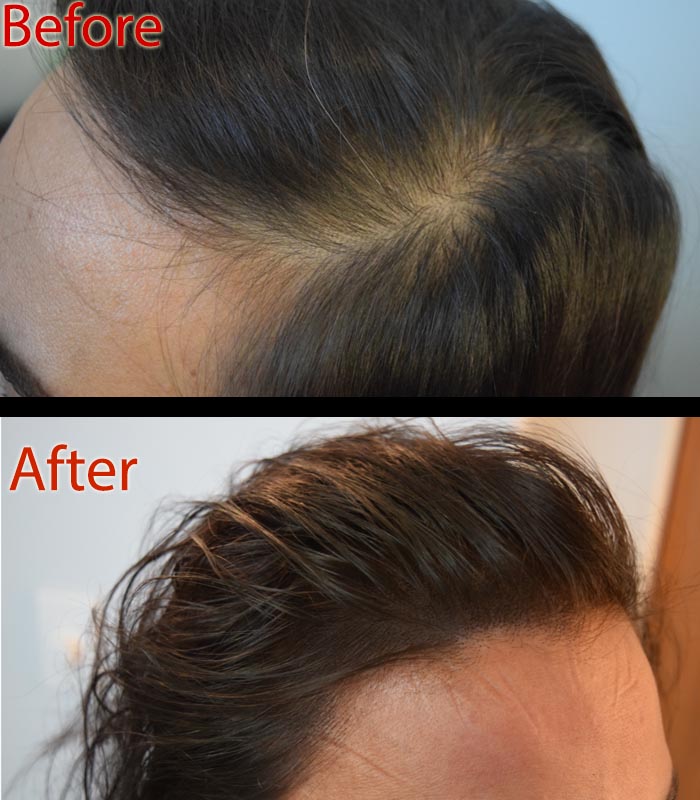
Unlike male pattern baldness, PCOS hair thinning typically presents as diffuse thinning across the crown and widening parts rather than complete bald spots. When hormonal treatments and lifestyle changes fail to restore hair density, scalp micropigmentation emerges as a transformative solution.

Causes of PCOS-Related Hair Thinning

PCOS-related hair thinning in women stems from elevated androgen levels, particularly dihydrotestosterone (DHT), which disrupts the natural hair growth cycle. These excess male hormones shrink hair follicles, shorten growth phases, and eventually cause follicles to stop producing hair entirely.

Studies show that women with PCOS lose hair at rates significantly higher than the normal 100-150 strands per day, with many experiencing visible scalp show-through before recognizing the severity of their condition.

How Do You Recognize PCOS Hair Loss?

Key symptoms include gradual crown thinning, widening parts that expose more scalp, increased hair shedding during washing or brushing, and changes in hair texture that make strands finer and more brittle.

Many women notice their hair becomes harder to style and appears less voluminous, often requiring more product to achieve the previous thickness.

Can Hormonal Treatments Reverse Hair Loss?

Traditional medical approaches for PCOS-related hair thinning in women include anti-androgens like spironolactone, hormonal birth control, and insulin-sensitizing medications like metformin.

While these treatments may slow further loss, they rarely restore hair to pre-PCOS density. Clinical studies indicate that even with optimal hormonal management, hair regrowth takes 6-12 months and often remains incomplete. This is especially in areas where follicle miniaturization has progressed significantly.

Why Topical Treatments Fall Short?

Many women try minoxidil (Rogaine) to address PCOS hair thinning, but results vary dramatically. Research shows that only 30-40% of women see meaningful regrowth with minoxidil, and benefits typically plateau after 12 months.

Additionally, minoxidil requires lifelong application, and discontinuation results in rapid hair loss return. For women with advanced PCOS hair thinning, topical treatments simply cannot create the appearance of normal hair density.

Do Lifestyle Changes Help PCOS Hair Loss?

While maintaining a balanced diet, regular exercise, and stress management support overall PCOS management, these interventions have a limited impact on PCOS-related hair thinning in women once significant follicle damage has occurred. Weight loss may reduce androgen levels, but existing hair loss patterns rarely reverse completely through lifestyle modifications alone. This is where advanced cosmetic solutions become essential.

Scalp Micropigmentation for PCOS-Related Hair Loss

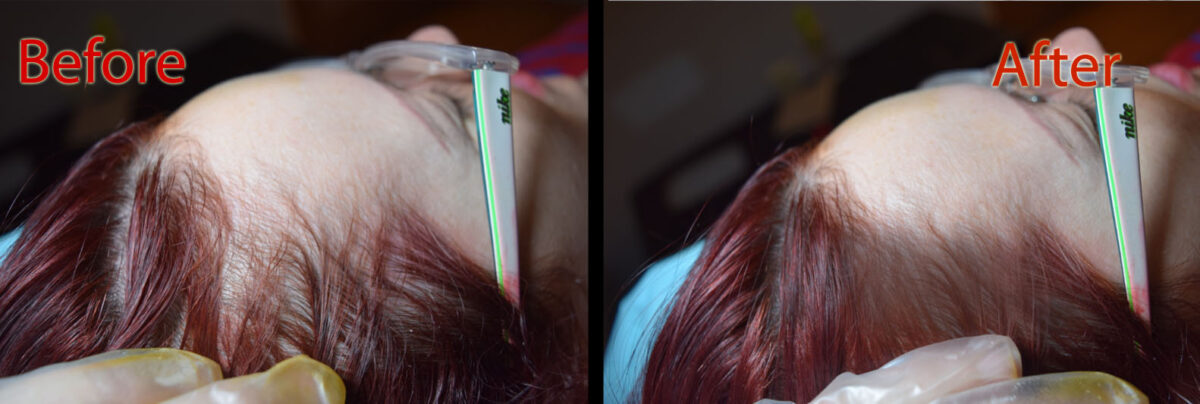
When medical treatments fail to address PCOS-related hair thinning in women, scalp micropigmentation offers immediate, dramatic results. SMP creates the visual appearance of hair density by depositing medical-grade pigments that mimic natural hair follicles.

Unlike treatments that attempt to regrow hair, SMP works regardless of follicle health or hormone levels. So it helps women whose PCOS has caused permanent follicle damage.

Moreover, the procedure can be customized to complement existing hair while filling in thin areas. Women with PCOS-related hair thinning typically retain some hair, making SMP an ideal density enhancement rather than complete hairline recreation.

Results are immediate, require no daily maintenance, and last 5-8 years before requiring touch-ups.

However, the procedure is effective when SMP professionals perform it. Unfortunately, many traditional tattoo artists now advertise SMP services without proper training. This is particularly dangerous for women with PCOS-related hair thinning because improper technique can create unnatural results that worsen appearance. True SMP specialists use medical-grade pigments that won’t turn blue or green over time, understand female hair loss patterns, and possess the technical expertise to create seamless density enhancement.

PCOS-related hair thinning in women doesn’t have to define your confidence or limit your styling options. While medical management of PCOS remains important for overall health, SMP provides the immediate cosmetic solution that hormonal treatments often cannot deliver. Choose your Arizona SMP specialist as carefully as you choose your doctor.

Luckily, you don’t need to travel far when it comes to choosing the best scalp micropigmentation Arizona professionals. DermiMatch Clinic is the right place to get the treatment

Categories
scalp micropigmentation

Alcohol and Hair Loss: Exploring the Connection

When you are struggling with hair loss, you try to find solutions of all sorts. But you might be unaware of the connection between alcohol and hair loss. Does alcohol cause hair loss directly?

While alcohol is not the direct cause of hair loss, it creates a perfect storm of conditions that can lead to significant thinning and shedding. Alcohol consumption can damage your hair’s foundation from within. Regular drinking disrupts your body’s natural processes, making healthy hair growth impossible.

How Does Alcohol Affect Hair Growth and Nutrition?

Alcohol severely impairs your body’s ability to absorb essential nutrients that your hair follicles desperately need. When you drink regularly, your digestive system struggles to process iron, zinc, protein, and vitamins A, D, and E. These nutrients are the building blocks of strong, healthy hair. Without them, your hair becomes weak, brittle, and prone to falling out.

Heavy drinkers often replace nutritious meals with empty calories from alcohol. This creates a double impact where you’re not only blocking nutrient absorption but also failing to consume the vitamins and minerals your hair needs to thrive.

Can Drinking Too Much Alcohol Cause Your Hair to Fall Out?

Since we have already discovered the connection between alcohol and hair loss, how much is too much?

Yes, excessive alcohol consumption can cause your hair to fall out through several mechanisms. Chronic dehydration from alcohol’s diuretic effects strips moisture from your scalp and hair follicles. This leads to dry, brittle hair that breaks easily and a scalp environment that can’t support healthy growth.

Alcohol also disrupts your sleep patterns, and poor sleep directly impacts hair growth cycles. During deep sleep, your body produces growth hormones essential for hair regeneration. When alcohol interferes with this process, your hair growth slows dramatically.

Will My Hair Grow Back if I Stop Drinking Alcohol?

Stopping alcohol consumption can help restore hair health, but recovery depends on several factors. If your hair loss is primarily due to nutritional deficiencies from drinking, you may see improvement within three to six months of sobriety. However, if alcohol has triggered or accelerated genetic pattern baldness, the damage may be permanent.

The good news is that quitting alcohol allows your body to properly absorb nutrients again. Combined with a balanced diet rich in protein, iron, and vitamins, this creates optimal conditions for whatever hair regrowth is possible.

How Does Alcohol Increase DHT and Worsen Male Pattern Baldness?

Research suggests that alcohol consumption may increase levels of dihydrotestosterone (DHT), the hormone responsible for shrinking hair follicles in men with genetic predisposition to baldness. Higher DHT levels accelerate the miniaturization process, causing hair to become progressively thinner until follicles stop producing hair entirely.

This hormonal disruption explains why some men notice their hair loss accelerating during periods of heavy drinking, even when they maintain good nutrition otherwise.

When Does Alcohol Cause Hair Loss That Won’t Recover?

Sometimes the effects of alcohol on hair loss create permanent changes. Long-term heavy drinking can damage hair follicles beyond repair, especially when combined with genetic factors. Additionally, alcohol-related liver damage affects your body’s ability to process nutrients even after you quit drinking.

Stress-related hair loss from alcohol addiction can also trigger conditions like alopecia areata, where your immune system attacks hair follicles. While this can sometimes reverse, it often requires medical intervention.

Scalp Micropigmentation: The Ultimate Solution When Hair Won’t Return

When alcohol-related hair loss proves irreversible, scalp micropigmentation offers an immediate, permanent solution. SMP creates the appearance of a full head of hair by depositing specialized pigments into the scalp, mimicking natural hair follicles. Unlike hair transplants or medications, SMP works regardless of the underlying cause of your hair loss.

The treatment is particularly effective for men who’ve experienced accelerated balding due to alcohol’s effects on DHT levels. SMP can restore a natural-looking hairline and add density to thinning areas, giving you back the confidence that hair loss may have taken away.

Choosing the Right SMP Artist: Why Expertise Matters

As scalp micropigmentation gains popularity, many tattoo artists are attempting to offer SMP services without proper training. This is a critical mistake that can lead to unnatural results, poor pigment retention, and even scarring.

True SMP requires specialized knowledge of scalp anatomy, hair growth patterns, and pigment behavior in scalp tissue. The technique, tools, and pigments used are completely different from traditional tattooing. A qualified SMP artist understands how to create realistic hair follicle impressions that age naturally and match your skin tone perfectly.

Don’t risk your appearance with an inexperienced practitioner. Research your SMP artist thoroughly, examine their portfolio, and ensure they have extensive training specifically in scalp micropigmentation, not just general tattooing experience.

Find top Arizona SMP technicians at DermiMatch Clinic.

Categories
scalp micropigmentation

Air Pollution and Hair Loss: Fact or Myth?

Yes, air pollution and hair loss are connected. It is not a myth but a reality. Pollution directly causes hair loss through multiple damaging pathways. Recent scientific studies confirm that exposure to particulate matter, heavy metals, and toxic chemicals in polluted air triggers inflammation and oxidative stress in hair follicles.

This environmental assault weakens your hair roots and accelerates the balding process, especially in densely populated urban areas where pollution levels remain consistently high.

The microscopic particles in polluted air penetrate deep into your scalp tissue, creating chronic inflammation that disrupts normal hair growth cycles. Over time, this leads to miniaturization of hair follicles and permanent hair loss that mirrors the genetic pattern baldness.

How Does Air Pollution Damage Your Scalp and Hair Follicles?

Air pollution attacks your scalp health through oxidative stress and inflammatory responses. Particulate matter smaller than 2.5 micrometers easily penetrates your scalp’s protective barrier, depositing toxic substances directly onto hair follicles. These pollutants generate free radicals that damage the cellular structures responsible for hair production.

Heavy metals like lead and mercury accumulate in scalp tissue over time. This buildup disrupts the delicate protein synthesis process that creates strong, healthy hair strands. Your follicles become unable to produce the keratin proteins essential for hair growth, leading to progressively weaker and thinner hair until growth stops entirely.

Can Living in Polluted Cities Make You Go Bald?

Living in polluted cities increases your risk of developing hair loss. Studies show that people in high-pollution urban areas experience hair thinning at rates similar to those with a genetic predisposition to baldness. The constant exposure to airborne toxins creates a cumulative effect that compounds over years of city living.

Diesel exhaust particles, industrial emissions, and smog contain compounds that specifically target hair follicle cells. These pollutants disrupt the normal hair growth cycle, shortening the active growth phase and extending the resting phase, where no new hair develops.

What Types of Pollution Cause the Most Hair Damage?

Particulate matter ranks as the most destructive pollutant for hair health. PM2.5 particles are small enough to penetrate deeply into scalp tissue and cause lasting damage. Vehicle emissions containing nitrogen dioxide and sulfur compounds create acidic conditions on your scalp that weaken hair structure.

Even indoor air pollution from cooking, cleaning products, and poor ventilation contributes to scalp irritation and hair loss over time.

How Do You Know if Pollution is Causing Your Hair Loss?

Pollution-related hair loss often presents as diffuse thinning across the entire scalp rather than the typical male pattern baldness. You may notice increased hair shedding, brittle texture, and scalp irritation or inflammation. Hair loss from pollution typically accelerates gradually and affects both men and women equally.

If you’ve moved from a rural to an urban area and notice increased hair loss, pollution exposure could be the culprit. Similarly, people working outdoors in polluted environments often experience faster hair thinning than those in clean indoor spaces.

Can You Reverse Hair Loss from Air Pollution?

Unfortunately, severe pollution-induced hair loss often proves irreversible. While reducing exposure and using protective treatments may slow further damage, follicles that have been permanently damaged by toxic buildup rarely recover their full function. The cellular destruction caused by long-term pollution exposure creates scarring and miniaturization that natural remedies cannot undo.

Moving to cleaner environments and using antioxidant treatments may help preserve remaining hair, but regrowth of lost hair from pollution damage remains unlikely once significant thinning has occurred.

Scalp Micropigmentation: The Perfect Solution for Pollution and Hair Loss Woes

When pollution has permanently damaged your hair follicles, scalp micropigmentation offers immediate restoration of your appearance. SMP creates the visual impression of a full head of hair by depositing specialized pigments. The goal of this pigmentation procedure is to create impressions that mimic natural follicles. Unlike treatments that rely on damaged follicles to regrow hair, SMP works regardless of the underlying cause of hair loss.

The treatment is particularly effective for pollution-related diffuse thinning because it can add density across your entire scalp. SMP provides consistent results that don’t depend on your scalp’s ability to heal from environmental damage.

As scalp micropigmentation gains recognition, many traditional tattoo artists are falsely claiming they can perform SMP in Arizona. This dangerous trend puts clients at risk of unnatural results, improper pigment placement, and potential scarring.

Real SMP requires specialized training in scalp anatomy, hair growth patterns, and pigment behavior unique to scalp tissue. The techniques, equipment, and pigments used differ completely from traditional tattooing. A qualified Arizona SMP practitioner understands how to create realistic hair impressions that age naturally and match your skin tone perfectly.

DermiMatch Clinic is the right place to go when you need a top scalp artist in Arizona. Schedule a consultation now.

Categories
scalp micropigmentation

Does Intermittent Fasting Cause Hair Loss?

Does intermittent fasting cause hair loss? This worry keeps many people awake at night. New studies give us clear answers about fasting and losing hair.

Scientists recently did big studies on fasting and hair. They tested both mice and people. The results were eye-opening. Fasting mice regrew hair much more slowly than mice that ate normally. The fasting mice only got some hair back after 96 days. Normal eating mice grew all their hair back in just 30 days.

Human studies showed the same thing. Adults who fasted for 18 hours each day grew hair 18% slower than people who ate normally. This proves that yes, fasting can slow down hair growth.

Why Does Intermittent Fasting Cause Hair Loss?

 How does intermittent fasting affect hair growth? When you fast, your body changes how it gets energy. Instead of using sugar from food, it starts burning stored fat. This sounds good for weight loss. But it creates problems for your hair.

Fat burning releases chemicals called free fatty acids. These chemicals go everywhere in your body, including around hair roots. Since hair roots are very sensitive, they cannot handle these chemicals well.

The chemicals stress out the cells that make new hair. When these cells get too stressed, they get damaged or die. As a result, you grow less new hair. Your old hair keeps falling out naturally, but less new hair replaces it.

This is why people notice their hair getting thinner when they fast for long periods.

Can Fasting Make You Lose Your Hair?

Many people wonder: Can fasting make you lose your hair? The answer depends on how you fast and what you eat.

Short fasting periods usually do not cause hair loss that lasts forever. But fasting for very long times puts too much stress on hair roots. This stress can make hair stop growing and start falling out.

Not eating enough good food during your eating times makes things worse. Your hair needs protein, iron, and vitamins to stay healthy. When you do not get enough of these, your hair gets weak and falls out.

Stress from fasting also releases hormones that hurt hair growth. Your body thinks it is in danger when you fast, so it focuses on keeping you alive instead of growing hair.

Does Hair Loss from Fasting Grow Back?

The good news is that hair loss from fasting usually grows back when you stop fasting or eat better food.

Your hair roots can heal if they are not too badly damaged. Some people see their hair getting better in a few months. Others need longer to see improvement.

The key is how badly damaged your hair roots got. Light damage heals easily. Heavy damage from very long fasting might cause lasting problems.

The sooner you fix your eating, the better chance your hair has to recover. Do not wait too long if you notice your hair getting thin.

 Why Fasting Hurts Your Hair Through Poor Eating?

Fasting often causes hair loss because people do not eat enough good food when they are allowed to eat.

Hair is made mostly of protein. If you do not eat enough meat, fish, beans, or eggs, your hair cannot grow properly. Protein is like the building blocks for your hair.

Iron is another big problem. Iron carries oxygen to your hair roots. Without enough iron, your hair gets weak and falls out. This happens a lot to people who fast.

Your hair also needs zinc, biotin, and B vitamins. These help your hair cells work properly. Missing any of these can make your hair fall out even if you are otherwise healthy.

 How Fasting Changes Hormones and Hurts Hair?

Fasting changes hormones in your body. These hormone changes directly hurt hair growth.

When you fast, your body makes more stress hormones like cortisol. High stress hormones tell your hair to stop growing and start resting. This makes more hair fall out and less new hair grow.

Fasting also changes thyroid hormones. These hormones control how fast your body works. When they get messed up, your hair grows slower and gets thinner.

Your body also changes how it uses insulin when you fast. While this can be good for some things, sudden changes can temporarily mess up hair growth.

Does Intermittent Fasting Cause Hair Loss in Women?

Women have extra risks for hair loss during fasting. Women lose iron every month during their periods. Fasting makes it harder to get enough iron back.

Women’s hormones change more during fasting than men’s hormones. These bigger changes can cause more hair loss.

Pregnant women and nursing mothers should avoid fasting. Their bodies need extra nutrition for their babies. Fasting during these times can hurt both mom and baby.

When Natural Fixes Do Not Work?

Sometimes people try eating better and changing their fasting, but their hair still does not grow back. When natural solutions fail, other options exist.

Hair roots that got badly damaged might never fully heal. Some people are just more likely to lose hair when they do not eat enough.

Waiting forever for hair to grow back is not always smart. Losing hair hurts how people feel about themselves. It can hurt job success and relationships.

Scalp micropigmentation can help right away. This treatment makes it look like you have thick hair even when you do not. It looks completely natural and makes people feel confident again.

Pick the Right Expert for Scalp Micropigmentation in Arizona

If you choose scalp micropigmentation for hair loss from fasting, picking the right person for the scalp job is crucial.

Many tattoo artists do scalp micropigmentation. But scalp work is very different from regular tattoos. The skin on your head is different. The angles are different. The colors needed are different.

Real scalp micropigmentation experts go to special schools to learn this work. They know how scalp skin works and use special equipment made just for heads, not regular tattoo machines.

Bad scalp micropigmentation looks fake and unnatural. It can be the wrong color or look blotchy. Fixing bad work costs a lot of money and is very hard to do.

Look for someone who has lots of pictures of their work. Good artists keep learning new techniques. They should be happy to show you examples of their work on different people.

When fasting hurts your hair and natural fixes do not work, scalp micropigmentation in Arizona gives you a reliable solution. Just make sure you pick someone who knows what they are doing. Find the best scalp practitioner at DermiMatch Clinic.

Categories
scalp micropigmentation

SMP for Female Hair Loss: Restoring Confidence and Hairlines

Hair loss in women is widely common, affecting millions across the United States. When women start losing hair, it is no less than traumatic. Even worse, the mental trauma of thinning hair or bald patches is intense as they continue to keep it private. Some of the causes of hair loss range from genetics and hormonal changes to medical conditions and styling habits.

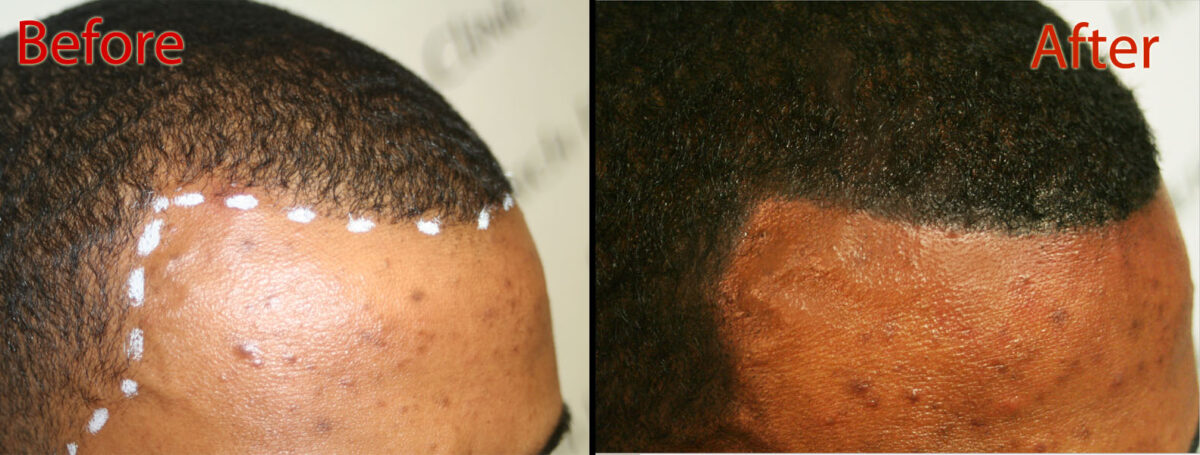
Two forms in particular—frontal fibrosing alopecia and traction alopecia—are widely common among women. The conditions can be emotionally devastating. Luckily, SMP for female hair loss is a solution to camouflage the problem.

Female Hair Loss Types

Frontal fibrosing alopecia (FFA)

FFA is a type of scarring alopecia where the hairline gradually recedes, often along the front and sides of the scalp. It is believed to be linked to autoimmune reactions and hormonal changes, commonly affecting post-menopausal women. Once follicles are damaged by scarring, regrowth becomes nearly impossible. This makes early diagnosis and cosmetic solutions crucial for restoring a natural appearance.

Traction alopecia

Traction alopecia results from repeated tension on follicles. This includes tight hairstyles like braids, ponytails, or extensions. Over time, this tension weakens follicles and leads to permanent hair loss in the affected areas. While changing hair habits can prevent further loss, the damage that’s already done usually requires a cosmetic restoration method.

The Emotional Toll of Hair Loss in Women

Hair is often tied to identity, femininity, and self-esteem. For women, visible hair loss can lead to anxiety, withdrawal from social situations, and a loss of confidence in both personal and professional settings. When traditional treatments fail to deliver results, many women start searching for solutions that provide immediate and realistic improvement.

How SMP for Female Hair Loss Works?

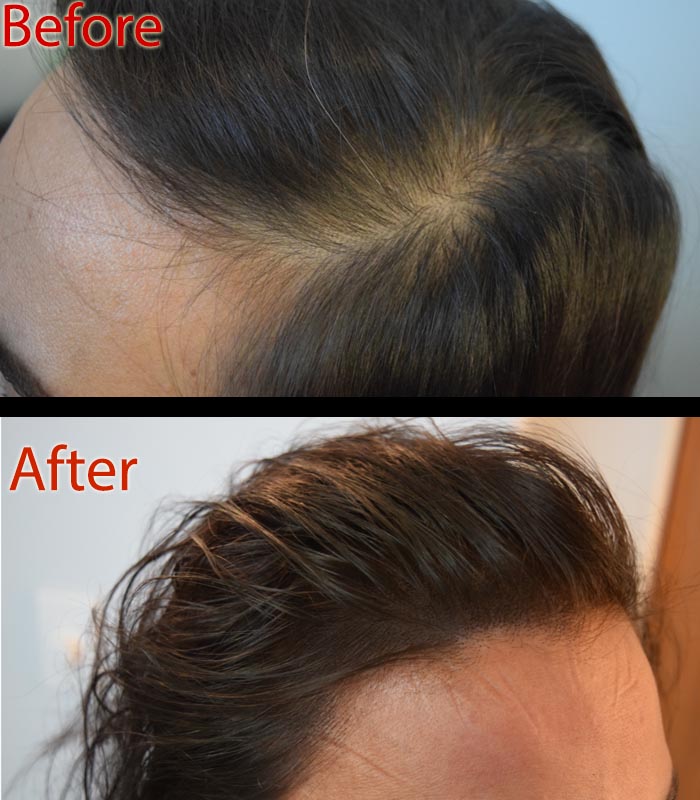
SMP is a non-surgical treatment in which the scalp practitioner deposits tiny pigment dots on the scalp. For thinning hair, it creates the illusion of density and reduces the contrast between the scalp and hair color.

For women with FFA or traction alopecia, SMP can recreate a natural-looking hairline and fill in bare patches where hair will not regrow. Results are visible immediately, and the procedure requires minimal downtime.

Why SMP Stands Out From Other Solutions?

Hair transplants are not always suitable for women, especially in cases of diffuse thinning or scarring alopecia. Topical treatments and supplements may slow shedding but rarely reverse advanced loss.

Wigs and hairpieces can be effective but require ongoing maintenance and may feel uncomfortable. SMP offers a unique combination of speed, realism, and long-lasting results without surgery or daily upkeep.

When Other Remedies Don’t Work

Many women try natural remedies such as scalp massages, herbal oils, or dietary supplements, but these often show limited success once follicles are permanently damaged. SMP for female hair loss provides a guaranteed visual improvement, making it one of the most reliable cosmetic options available.

Choosing the Right SMP Artist

With the growing demand for SMP, there is an influx of unqualified providers—often tattoo artists who claim to offer the service. However, SMP requires specialized pigments, equipment, and techniques that differ from tattooing.

A poorly done procedure can result in unnatural hairlines or pigment discoloration. Always choose a certified SMP specialist with a portfolio of results for female clients.

SMP for female hair loss is more than a cosmetic fix—it’s a way to restore confidence and regain control over your appearance. In 2025, women no longer have to accept hair loss as permanent. The right Arizona SMP artist can help you move forward with a natural look that lasts for years.

Top scalp micropigmentation Arizona practitioners are available at DermiMatch Clinic. Schedule a consultation now!

Categories
scalp micropigmentation

Oxygen Scalp Therapy for Better Hair Health

What is the best remedy for scalp health?

Oxygen scalp therapy is becoming a buzzword in hair care. From salons to clinics, an increasing number of people are exploring it as a way to improve scalp health and support hair growth. But what is it, how does it work, and is it the right solution?

Let’s break it down in simple terms.

What Is Oxygen Scalp Therapy?

Is oxygen good for the scalp? How to get more oxygen to your scalp?

Oxygen scalp therapy is a non-invasive treatment. It delivers concentrated oxygen directly to your scalp. This oxygen is either sprayed or delivered through a dome device. The goal is to boost blood circulation, reduce buildup, and help the scalp breathe better.

Some versions of this therapy also include serums or vitamins. These are pushed deeper into the skin using the oxygen stream. The idea is to nourish the follicles and create a healthy scalp environment.

Why Your Scalp Needs Oxygen?

Just like your skin, your scalp needs oxygen. Poor circulation can lead to dryness, flaking, clogged pores, and even thinning hair. By giving your scalp a boost of pure oxygen, you improve blood flow and remove toxins.

Healthy scalp = healthy hair. That’s the logic behind oxygen scalp therapy.

Benefits of Oxygen Scalp Therapy

Many people notice that their scalp feels cleaner and more refreshed after a session. Oxygen helps reduce irritation and can calm inflammation. It also unclogs follicles, making it easier for hair to grow in a healthy way.

The treatment is pain-free and usually takes under an hour. There’s no recovery time. It works well along with other therapies like PRP or laser treatments. It’s also a good option if you use a lot of products or suffer from buildup and itchiness.

What are the side effects of oxygen scalp therapy?

Oxygen scalp therapy helps improve scalp conditions. But it doesn’t regrow hair where follicles are already dead. That’s an important point.

It won’t reverse baldness. And it’s not a cure for advanced hair loss.

You may need several sessions to see improvement. Results vary depending on how healthy your follicles are.

Natural Remedies vs. Real Solutions

Many people start their hair journey with natural oils, homemade masks, and herbal shampoos. These can help if the problem is mild. But once hair loss becomes visible or advanced, surface-level remedies often fall short.

You may spend time and money on temporary fixes.

That’s when it’s time to look at solutions that give real results—not just short-term relief.

Why Scalp Micropigmentation Is the Next Step?

If oxygen therapy and other natural methods haven’t worked for you, scalp micropigmentation (SMP) offers a reliable alternative. SMP doesn’t regrow hair. Instead, it gives the appearance of a fuller scalp by applying tiny, natural-looking pigments.

It’s fast, permanent, and maintenance-free. It works for all stages of hair loss—men and women alike.

SMP is also non-surgical and less expensive than transplants. You don’t have to wait months to see results. And best of all, it helps restore your confidence almost instantly.

Getting SMP Done

The rise in SMP’s popularity has led to a flood of providers. Unfortunately, many of them are tattoo artists trying to offer SMP on the side. That’s a big red flag.

SMP is not just tattooing. It’s a specialized skill. It requires deep knowledge of the scalp, pigment behavior, and natural hairline design. A poorly done SMP can look fake, blotchy, or even turn blue over time.

That’s why it’s critical to work with a trained and certified SMP artist. Look at their portfolio. Read reviews. Ask how long they’ve been doing it. Don’t take chances with your scalp.

Oxygen scalp therapy can help maintain a healthy scalp. It’s a good addition to your hair care routine. But when natural methods and topical treatments fail, SMP might be the right step forward.

Finding the best Arizona scalp artist begins at DermiMatch Clinic. Their SMP practitioners in Arizona make a trusted team that has been helping clients overcome their hair loss woes with scalp micropigmentation.

Categories
scalp micropigmentation

Electromagnetic Field Therapy for Hair Loss

People wary of hair loss often search for electromagnetic field therapy for hair loss, trusting the procedure to improve scalp health and reduce hair thinning. But how effective is this non-invasive option? What does it do?

What Is Electromagnetic Field Therapy for Hair Loss?

This therapy uses low-frequency electromagnetic fields applied to the scalp. Devices, such as heated mats or wearable caps, emit pulsed EMF. These magnetic pulses stimulate biological activity around hair follicles by opening calcium ion channels and boosting circulation. The treatment aims to energize cells and support scalp function.

How Does It Work to Combat Hair Loss?

Studies have found that using low-frequency electromagnetic waves—specifically at 50 Hz—can wake up hair growth cells in your scalp.

In another study, people used a combination of electromagnetic therapy and light therapy for 24 weeks. By the end, their hair was noticeably thicker compared to people who didn’t get the treatment.

Is Electromagnetic Field Therapy for Hair Loss Safe?

Studies indicate PEMF has minimal side effects. Most report a gentle warming or mild tingling. People with electronic implants like pacemakers should avoid it.

The treatment is non-invasive and requires no downtime. So how long does it take to work?

Results vary, but consistent use typically shows improvement in 3–6 months. Combining EMF therapy with laser or serum treatments may speed outcomes.

What Are Its Limitations?

Electromagnetic field therapy can stimulate weak or dormant follicles. However, it cannot revive fully inactive or dead follicles. It’s not a cure for advanced baldness. Regular maintenance sessions are usually needed.

This treatment suits users with early or moderate thinning, or those experiencing poor scalp circulation. You can combine the treatment with PRP or laser. It’s ideal for people seeking a gentle, drug-free option.

But is it better than natural remedies?

Well, natural solutions like oils, masks, or supplements may help scalp conditions. But they do not always help reverse thinning. Those hoping for visible change in hairlines may find these methods insufficient.

Why Consider Scalp Micropigmentation?

If EMF therapy and natural attempts haven’t delivered visible density, scalp micropigmentation offers a cosmetic solution with immediate impact. SMP creates the illusion of a fuller scalp when the scalp artist skillfully places pigment dots. The best thing about scalp micropigmentation is that it works regardless of hair stage and requires minimal upkeep.

Is SMP a Better Option than EMF Therapy?

Electromagnetic field therapy for hair loss shows promise for some as a safe, non-invasive procedure. It may support early regrowth. But when natural remedies don’t restore visible density, scalp micropigmentation delivers immediate visual confidence.

However, you cannot trust every artist who claims to do scalp micropigmentation.

Many tattoo artists now claim to do SMP—but SMP is not tattooing. It requires precision, pigment expertise, and scalp anatomy knowledge. Avoid practitioners who see it as a side service. Only work with certified SMP experts with complete specialist portfolios and real client reviews.

Choosing the right path means choosing the right specialist. Don’t trust an untrained tattoo artist with your scalp. Invest in someone who focuses solely on SMP and understands how to deliver natural results.

Categories
scalp micropigmentation

Gut Bacteria and Hair Health: The Surprising Connection

Did you know that the health of your stomach might impact your hair? Scientists have found a surprising link between the good bacteria in your gut and hair growth. These helpful bacteria, called probiotics, do more than just help with digestion. They might also play a role in keeping your scalp healthy and preventing hair loss.

When the bacteria in your stomach get out of balance, it can cause inflammation throughout your body. This inflammation can reach your scalp and make it harder for hair to grow properly. That’s why some people who have stomach problems also notice their hair getting thinner.

Good Gut Bacteria and Hair Growth

Probiotics help by bringing balance back to your gut. When your stomach bacteria are healthy, there’s less inflammation in your body. This means better blood flow to your scalp and more nutrients reaching your hair roots. Some types of probiotics even make vitamins that your hair needs to stay strong.

These good bacteria also help your body take in nutrients better. Your hair needs iron, zinc, and protein as part of your hair diet plan to grow well. When your gut is healthy, your body can absorb these important nutrients easily. This leads to stronger hair and less hair falling out.

What Research Shows

Studies have found that people with hair loss often have different gut bacteria than people with healthy hair. Research shows that taking probiotics can reduce the inflammation that causes hair problems.

In one study, people who took certain probiotics for three months had thicker hair and less scalp irritation. The probiotics help by making special compounds that calm down the immune system and protect hair follicles.

Easy Ways to Get More Gut Bacteria and Hair Growth

You can get probiotics naturally by eating fermented foods. Yogurt, kefir, and pickled vegetables like sauerkraut contain live bacteria that help your gut and scalp. Foods like garlic, onions, yellow lentils, and bananas feed the good bacteria and help them grow.

Probiotic pills are another option if you want something more targeted. Look for ones that have many different types of bacteria and at least ten billion live cultures. You need to take them regularly for at least three months to see any hair benefits.

The Reality About Natural Solutions

While probiotics can help your scalp stay healthy, they work very slowly. Some people see better hair texture and less shedding after a few months. Others don’t notice much change at all. Your genes, hormones, and how much hair you’ve already lost all affect how well probiotics work for you.

Probiotics work best for preventing hair problems or as extra support alongside other treatments. They can’t bring back hair in areas where you’re already bald or where the hair follicles have stopped working completely.

When Natural Methods Don’t Work

For many people with obvious hair loss, probiotics and other natural treatments only help a little bit. When you can clearly see thin spots or when hair loss affects your confidence, you need something that works better and faster. This is when scalp micropigmentation becomes a real solution.

Scalp micropigmentation uses tiny dots of pigment to create the look of hair stubble on your scalp. Unlike treatments that take months to work, you can see results right away. The treatment lasts for years and gives you back the appearance of a full head of hair.

Picking the Right SMP Artist

Because scalp micropigmentation is becoming popular, many people who aren’t properly trained are trying to offer it. Regular tattoo artists often say they can do SMP, but this is a big mistake. Scalp micropigmentation needs special training, different equipment, and specific pigments that are nothing like regular tattoos.

Make sure you choose an artist who is specially trained in scalp micropigmentation in Arizona. Look at lots of examples of their work to see if the results look natural. Check that they know how to create realistic hairlines. Your scalp needs someone who understands how to make fake hair dots look real, not just someone who knows how to use a tattoo needle.

Skilled SMP practitioners in Arizona are available for a consultation at DermiMatch Clinic. Get help now to overcome hair loss woes with top Arizona SMP professionals.

Categories
scalp micropigmentation

How Social Media Filters Are Creating Hair Anxiety?

Social media filters have changed how we see ourselves and others. These digital tools can instantly give anyone thick, perfect hair with just a tap. While filters might seem harmless, they are creating unrealistic beauty standards that make people worry about their real hair, thus creating hair anxiety. Many users now feel anxious when they see their actual reflection without the digital enhancement.

The constant exposure to filtered images makes normal hair look thin or imperfect by comparison. People spend hours scrolling through others’ Instagram posts with seemingly flawless hair, not realizing these images are digitally altered. This creates a cycle where real hair never looks good enough compared to the impossible standards set by technology.

The Psychology Behind Filter-Induced Hair Anxiety

When you see filtered hair images every day, your brain starts to believe this is how hair should naturally look. This phenomenon is called digital dysmorphia, where you become dissatisfied with your real appearance after seeing too many enhanced images. Hair anxiety becomes worse when people compare their bald head to someone’s perfectly filtered locks on social media.

Young people are especially vulnerable to this problem. They grow up seeing filtered images as normal and may never develop a healthy relationship with their natural appearance. Adults are not immune either, as many report feeling worse about their hair after spending time on social media platforms.

Real Hair vs Digital Perfection

If you have been through hair loss, you have already experienced hair anxiety. Real hair has bad days, grows in different directions, and changes texture throughout the day.

Filters eliminate all these natural variations and create hair that defies physics. The filtered hair never moves wrong, never looks greasy, and always catches light perfectly. This sets an impossible standard that no real hair can match.

People often forget that even celebrities and influencers use filters. The images they post are not representative of how anyone looks in real life. Understanding this can help reduce some of the pressure to achieve impossible hair goals.

When Hair Anxiety Becomes Overwhelming

Sometimes hair anxiety goes beyond what natural care and mindset changes can fix. If your hair concerns are affecting your daily life, work, or relationships, it might be time to consider practical solutions. Hair loss or thinning can be real problems that no amount of positive thinking can solve.

Many people find that addressing their hair concerns directly helps reduce anxiety more than trying to accept thinning hair.

This is where scalp micropigmentation offers a permanent solution that creates the appearance of thick, full hair without the daily stress of styling or worrying about thin spots. You wear a perfect look every single day. Wow! That sounds so good!

Finding the Right SMP Professional

If you decide scalp micropigmentation is right for you, choosing the correct artist is crucial. The popularity of SMP has attracted many unqualified practitioners, including tattoo artists who claim they can perform this specialized procedure. Regular tattooing and scalp micropigmentation require completely different skills, equipment, and pigments.

Look for artists specifically trained in scalp micropigmentation with proper certification and extensive portfolios. Check their work carefully for natural-looking results and realistic hairlines. Your scalp deserves an expert who understands the unique challenges of creating convincing hair simulation, not someone who simply knows how to use a tattoo machine.

Your search for the right Arizona SMP professional ends at DermiMatch Clinic. They have the best scalp artists in Arizona and can help you find the best solution to your hair loss problems and hair anxiety triggered by social media.

Schedule a consultation now!