
Living with celiac disease means managing far more than what ends up on your plate. One of the most overlooked and emotionally difficult effects of the condition is hair thinning. Many people notice it only after months of quietly watching their part widen, their temples thin out, or their scalp catch light in ways it never used to. Even more frustrating is the moment they realize a strict gluten-free diet did not bring their hair back the way they expected.
Why Celiac Disease Triggers Hair Thinning?
The problem starts deep in the gut. When the body reacts to gluten, it damages the lining of the small intestine, which then struggles to pull nutrients from food effectively. Hair follicles are among the first casualties of that nutritional breakdown. They depend on a steady supply of iron, zinc, vitamin D, biotin, protein, and B vitamins to stay in an active growth phase. Cut off that supply, and strands begin shedding faster than the scalp can replace them.
Some people also develop telogen effluvium, a stress-related shedding condition that pushes large numbers of hairs into the resting phase at once. Others face alopecia areata, a patchy autoimmune hair loss condition that shares immune system roots with celiac disease. Both can happen alongside each other, which makes getting a proper diagnosis so important.
Can a Gluten-Free Diet Restore Hair?
This is a question many newly diagnosed people search for urgently. The short answer is: sometimes yes, but rarely quickly. A gluten-free diet allows the gut to heal over time, which gradually restores nutrient absorption. Hair can return, but the process takes months. Some people wait a full year before they notice meaningful regrowth.
The bigger issue is that gluten-free eating does not automatically mean nutrient-dense eating. Many packaged gluten-free products contain little iron, protein, or fiber. So deficiencies can linger even when gluten itself is completely removed. A doctor should check iron stores, vitamin D, thyroid function, B12, and zinc before assuming diet alone is the answer.
When Supplements and Serums Fall Short
Plenty of people eventually try the full shelf of hair restoration products. Growth serums, thickening shampoos, biotin capsules, scalp oils — the list is long, and the results are often disappointing. Some supplements genuinely help when a confirmed deficiency exists. Yet no serum or capsule can close the visible gap between hair and scalp on its own.
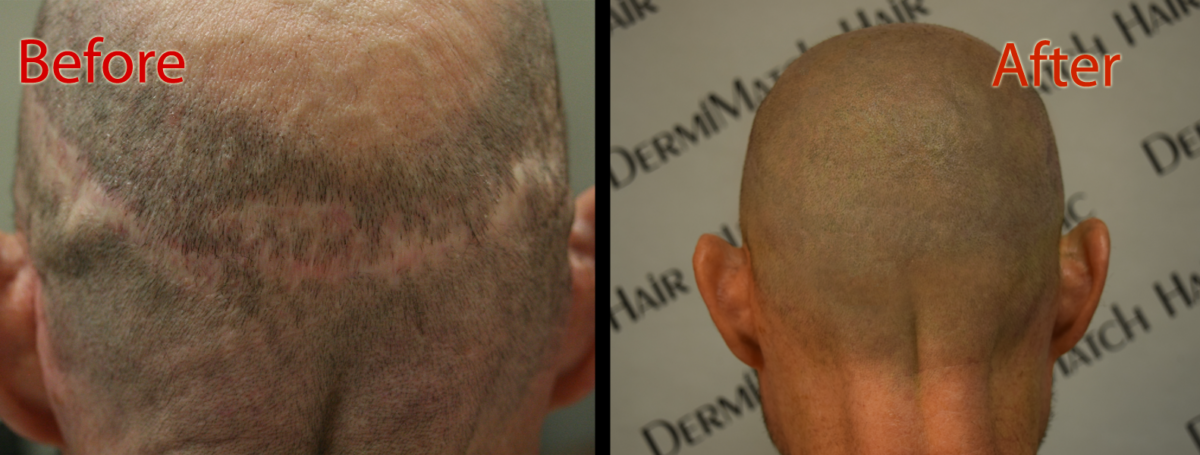
That is exactly the moment when scalp micropigmentation becomes worth a serious look. SMP is a non-surgical hair restoration technique where a trained specialist deposits tiny pigment impressions into the scalp that closely mimic the look of natural hair follicles.
It does not regrow hair. Instead, it dramatically reduces the visual contrast between thin hair and the visible scalp underneath. For women, this can restore the appearance of a fuller crown or a less exposed hairline. For men, it can create a clean, defined look that reads as natural density.
SMP works well alongside ongoing medical care. It does not replace nutritional treatment or medical supervision — it fills the visual gap while those approaches work.
Does SMP Artist Matter?
Yes, it matters more as scalp micropigmentation is a specialized job. No ordinary tattoo artist is skilled enough to perform like professional scalp artists. They may offer SMP as an add-on service, but tattooing and scalp micropigmentation are entirely different disciplines. Regular tattoo ink sits too deeply, migrates over time, and turns blue or green on the scalp. Tattoo needle configurations create dots that are too large and too harsh to pass as natural follicles.
Genuine SMP requires specialist training in scalp anatomy, pigment chemistry, hairline design, skin tone matching, and diffuse thinning patterns. A skilled Arizona SMP artist shows healed results — not fresh-session photos — because that is where the real quality shows. Ask about their experience with medical hair loss, female thinning cases, and correction work on clients who went to the wrong practitioner first.
Your scalp deserves precision, not improvisation. If celiac-related thinning has left you searching for a real hair restoration solution, SMP in Arizona with a qualified specialist at DermiMatch Clinic is one of the most reliable, surgery-free paths available today.
Schedule a consultation today!