
CALL TODAY! 480-788-2432
CALL TODAY! Service: 480-788-2432 | Products: 833-436-4247
Categories
scalp micropigmentation

Summer Scalp Burn and Hair Damage — Why SMP Is Better Than a Hair Regrowth Serum?

Summer scalp burn is not just uncomfortable — it actively harms skin that is already exposed and vulnerable. Most people remember sunscreen on their face and arms, but completely forget their scalp. For anyone dealing with thinning hair, bald patches, or a shaved head, the scalp takes direct UV hits with nothing to soften them. Hair is not just cosmetic. It forms a physical shield between the skin and the sun. When that shield thins out, summer scalp burn becomes an almost unavoidable seasonal problem.

Repeated UV exposure triggers redness, peeling, itching, and surface damage. It also weakens existing hair. Research confirms that ultraviolet radiation breaks down proteins in the hair strand, strips moisture, and damages the outer cuticle. Whatever hair remains becomes brittle and more likely to snap. For someone already frustrated with shedding, summer scalp burn only deepens the damage.

Does a Hair Regrowth Serum Help After Summer Scalp Burn?

A hair regrowth serum targets follicle activity. It does not repair UV-damaged skin or restore the scalp barrier that summer scalp burn strips away. Applying a growth product to burned or inflamed skin can actually increase irritation rather than deliver any benefit.

Beyond that, a hair regrowth serum takes three to six months to show visible change even under ideal conditions. During that entire window, the scalp stays exposed, thin areas remain visible, and sun damage continues.

Why Hair Regrowth Serums Leave People Frustrated?

People try serums, foams, and spray-on thickeners hoping for a fast cosmetic fix. The reality disappoints. Most require strict daily use with no breaks. Stopping the routine often reverses whatever gains appeared. Some users also report scalp irritation and greasiness — side effects that feel even worse on skin already sensitized by summer scalp burn.

More critically, no hair regrowth serum rebuilds a hairline or fills a bald crown with real visible density. These products support follicles at a biological level. However, they cannot produce the visual result most people actually want — a sharp, full-looking scalp with a clean, defined edge.

What Scalp Micropigmentation Offers Instead?

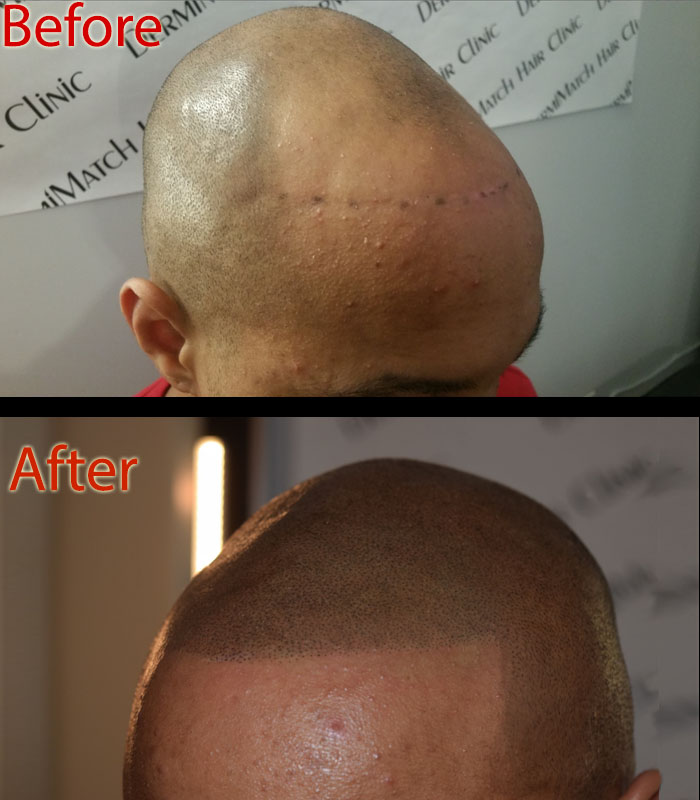
Scalp micropigmentation, or SMP, takes a completely different approach. Rather than asking weak follicles to perform, SMP creates the appearance of healthy density through precisely placed pigment dots. A trained Arizona SMP specialist deposits cosmetic-grade pigment into the upper scalp skin using fine micro-needles. The result resembles a closely cropped, full head of hair.

SMP sharpens a receding hairline, adds density between existing strands, covers transplant scars, and evens out patches caused by alopecia. It requires no surgery, no anesthesia, and no downtime. For someone exhausted by serums and dealing with summer scalp burn season after season, it delivers a visible result without waiting half a year.

Pick the Right SMP Specialist — This Warning Matters

The rising demand for SMP has pushed tattoo artists to add it to their service menu. SMP is not body tattooing. The scalp demands precise pigment depth control, specialized needles, scalp-specific pigments, and hairline design knowledge that only dedicated SMP training develops.

Standard tattoo machines and ink do not work on the scalp. Using them amounts to creating dots that spread, darken, or turn blue over time. Poorly designed hairlines look artificial within months. A genuine SMP specialist in Arizona shows healed results, explains their technique clearly, and builds a look around your face structure and skin tone.

When summer scalp burn keeps exposing your thinning scalp and a hair regrowth serum stops delivering, a professional Arizona scalp artist can help give you a confident, lasting result. Just make sure you trust it to someone who has truly mastered the craft — not simply someone who picked up a tattoo machine and added SMP to a price list.

A team of scalp professionals is available for consultation at DermiMatch Clinic in Arizona. Schedule a consultation now.
Categories
scalp micropigmentation

Hair Loss After Hormone Replacement Therapy

Hormone replacement therapy gives millions of people real relief. It helps calm hot flashes and improve mood swings and sleep. Besides, it helps the body feel more balanced during menopause or other hormone transitions. For many, starting HRT feels like reclaiming control. But on the other hand, discovering that hair is thinning shortly after beginning treatment can feel like a cruel trade-off.

The thinning often begins quietly. The part looks slightly wider. The crown feels less dense. Bright light catches the scalp in a way it never used to. These changes may seem minor at first, but they compound quickly and affect confidence in ways that are hard to ignore.

Does HRT Actually Cause Hair Loss?

The relationship between HRT and hair is not straightforward. Hormones drive the entire hair growth cycle, so any shift in their levels can alter how follicles behave.

Estrogen generally supports the active growth phase of hair. When estrogen levels fluctuate or when certain synthetic progestins with androgen-like activity enter the picture, follicles sensitive to androgens can begin to miniaturize. Over time, this produces finer, shorter strands and a thinner-looking scalp.

Not everyone experiences this. Some people find their hair actually improves on HRT once hormonal chaos from menopause settles down. However, for those with a genetic predisposition to pattern thinning, a sudden hormone adjustment can accelerate what was already waiting in the background. A rapid dose change can also trigger telogen effluvium, pushing an unusually high number of hairs into the shedding phase at once.

Why Blood Work Still Matters?                     

Hair shedding on HRT does not always point directly at the hormones themselves. Many people in midlife also carry undetected deficiencies in iron, ferritin, vitamin D, B12, or zinc that silently weaken the follicle environment. Thyroid conditions, which occur more frequently in women during and after menopause, can also drive significant shedding.

Before drawing any conclusions, a thorough blood panel helps eliminate these overlapping causes. Addressing a ferritin deficiency or an underactive thyroid alongside HRT produces much better outcomes than treating hormones in isolation.

When Serums and Supplements Do Not Deliver

Hair growth serums get a lot of shelf space, but their results are inconsistent. Minoxidil works for some types of androgenic thinning with regular, long-term commitment. Biotin supplements make a difference only when a genuine deficiency exists. Specialty scalp oils and thickening shampoos improve texture at best but cannot create density the eye can actually see.

This is the wall many people hit. Months of consistent effort produce little visible change. The scalp still shows through under office lighting. The mirror still delivers disappointment. That gap between effort and result is exactly where non-surgical hair restoration enters the conversation.

How SMP Fills the Visual Gap?

Scalp micropigmentation works differently from any serum or supplement. Instead of targeting biology, it addresses visibility directly. A trained SMP specialist deposits precisely sized pigment impressions into the upper dermis of the scalp, each one replicating the look of a natural hair follicle. The cumulative effect reduces the contrast between sparse hair and exposed scalp, creating the appearance of real density.

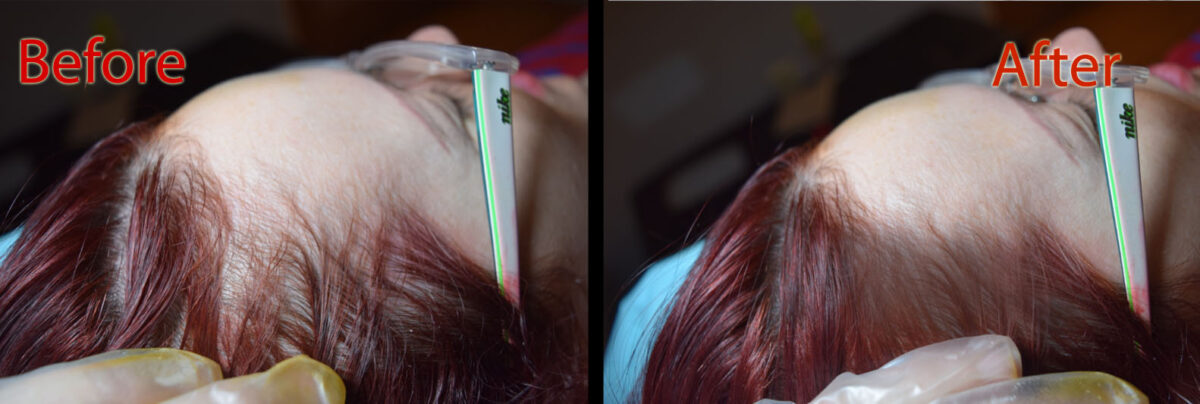
For women experiencing diffuse thinning after HRT, SMP can soften a widening part, restore the visual weight of the crown, and bring back a fuller-looking hairline without a single surgical incision. For men on hormone therapy noticing thinning zones, it can reconstruct the look of density or sharpen a closely shaved style. Results appear immediately, and with proper care they hold for several years before any touch-up is needed.

Non-surgical hair restoration through SMP also complements ongoing medical treatment. A person can continue working with their doctor on hormone optimization, iron supplementation, or minoxidil while simultaneously restoring a fuller look through SMP. Both efforts run in parallel.

But choosing scalp micropigmentation helps if you choose the right Arizona SMP professional for the job.

Traditional tattooing and scalp micropigmentation share almost nothing beyond a needle. Tattoo pigments penetrate too deeply into the dermis, migrate outward over time, and shift toward blue or green tones on the scalp. Tattoo dots are too large and too opaque to mimic a natural follicle. A scalp treated this way quickly looks artificial, patchy, or discolored.

Genuine SMP requires a different pigment chemistry, a different needle configuration, a different hand pressure, and a clinical understanding of scalp anatomy, skin undertones, and hair loss patterns.

A qualified SMP artist is skilled at working on different skin types. They are happy to discuss density mapping, hairline design, and how diffuse thinning in women requires a softer, less defined approach than the sharp edges used for complete baldness.

Hair loss after HRT can undermine confidence that hormone therapy was meant to restore. Non-surgical hair restoration with SMP experts at DermiMatch Clinic in Arizona offers a practical, proven path back to that confidence.

Categories
scalp micropigmentation

Celiac Disease and Hair Thinning: Why Gluten-Free Is Not Enough for Hair Restoration?

Living with celiac disease means managing far more than what ends up on your plate. One of the most overlooked and emotionally difficult effects of the condition is hair thinning. Many people notice it only after months of quietly watching their part widen, their temples thin out, or their scalp catch light in ways it never used to. Even more frustrating is the moment they realize a strict gluten-free diet did not bring their hair back the way they expected.

Why Celiac Disease Triggers Hair Thinning?

The problem starts deep in the gut. When the body reacts to gluten, it damages the lining of the small intestine, which then struggles to pull nutrients from food effectively. Hair follicles are among the first casualties of that nutritional breakdown. They depend on a steady supply of iron, zinc, vitamin D, biotin, protein, and B vitamins to stay in an active growth phase. Cut off that supply, and strands begin shedding faster than the scalp can replace them.

Some people also develop telogen effluvium, a stress-related shedding condition that pushes large numbers of hairs into the resting phase at once. Others face alopecia areata, a patchy autoimmune hair loss condition that shares immune system roots with celiac disease. Both can happen alongside each other, which makes getting a proper diagnosis so important.

Can a Gluten-Free Diet Restore Hair?

This is a question many newly diagnosed people search for urgently. The short answer is: sometimes yes, but rarely quickly. A gluten-free diet allows the gut to heal over time, which gradually restores nutrient absorption. Hair can return, but the process takes months. Some people wait a full year before they notice meaningful regrowth.

The bigger issue is that gluten-free eating does not automatically mean nutrient-dense eating. Many packaged gluten-free products contain little iron, protein, or fiber. So deficiencies can linger even when gluten itself is completely removed. A doctor should check iron stores, vitamin D, thyroid function, B12, and zinc before assuming diet alone is the answer.

When Supplements and Serums Fall Short

Plenty of people eventually try the full shelf of hair restoration products. Growth serums, thickening shampoos, biotin capsules, scalp oils — the list is long, and the results are often disappointing. Some supplements genuinely help when a confirmed deficiency exists. Yet no serum or capsule can close the visible gap between hair and scalp on its own.

That is exactly the moment when scalp micropigmentation becomes worth a serious look. SMP is a non-surgical hair restoration technique where a trained specialist deposits tiny pigment impressions into the scalp that closely mimic the look of natural hair follicles.

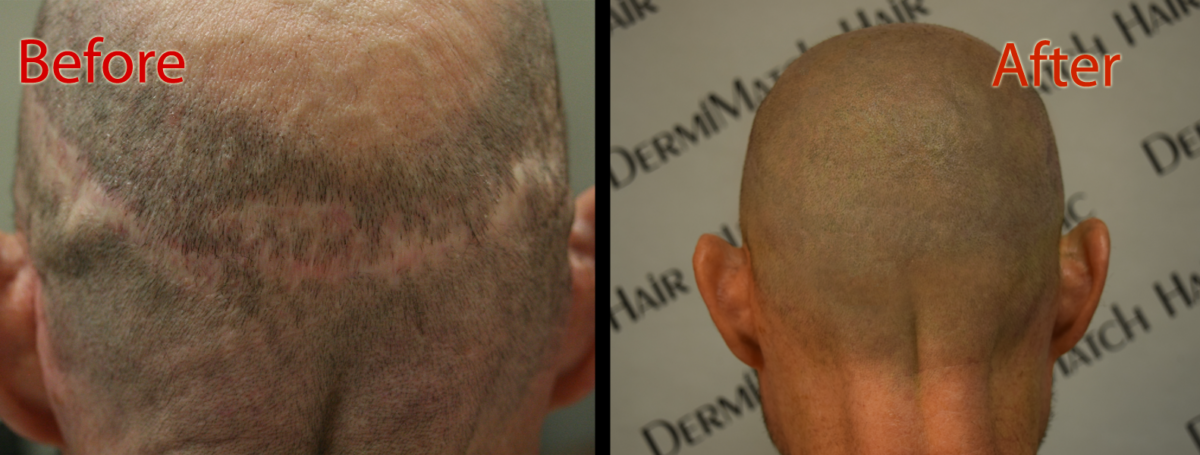
It does not regrow hair. Instead, it dramatically reduces the visual contrast between thin hair and the visible scalp underneath. For women, this can restore the appearance of a fuller crown or a less exposed hairline. For men, it can create a clean, defined look that reads as natural density.

SMP works well alongside ongoing medical care. It does not replace nutritional treatment or medical supervision — it fills the visual gap while those approaches work.

Does SMP Artist Matter?

Yes, it matters more as scalp micropigmentation is a specialized job. No ordinary tattoo artist is skilled enough to perform like professional scalp artists. They may offer SMP as an add-on service, but tattooing and scalp micropigmentation are entirely different disciplines. Regular tattoo ink sits too deeply, migrates over time, and turns blue or green on the scalp. Tattoo needle configurations create dots that are too large and too harsh to pass as natural follicles.

Genuine SMP requires specialist training in scalp anatomy, pigment chemistry, hairline design, skin tone matching, and diffuse thinning patterns. A skilled Arizona SMP artist shows healed results — not fresh-session photos — because that is where the real quality shows. Ask about their experience with medical hair loss, female thinning cases, and correction work on clients who went to the wrong practitioner first.

Your scalp deserves precision, not improvisation. If celiac-related thinning has left you searching for a real hair restoration solution, SMP in Arizona with a qualified specialist at DermiMatch Clinic is one of the most reliable, surgery-free paths available today.

Schedule a consultation today!