CALL TODAY! 480-788-2432
CALL TODAY! Service: 480-788-2432 | Products: 833-436-4247
Categories
scalp micropigmentation

Can Microneedling for Hair Regrowth Compete With SMP?

If you’re facing thinning hair or bald spots, you’ve probably heard of two very different treatments: natural-stimulation techniques like microneedling and cosmetic options like scalp micropigmentation (SMP). Understanding how microneedling for hair regrowth vs SMP stacks up can make your task easier to pick the right path.

What is Microneedling for Hair Regrowth? 

Microneedling uses tiny needles to create controlled micro-injuries in the scalp. These micro-injuries trigger healing responses: increased collagen, better blood flow, and improved absorption of topical treatments.

Research shows it can improve hair count and thickness when the follicles still exist. It’s appealing because it focuses on regrowth, not just appearance.

What is SMP (scalp micropigmentation)?

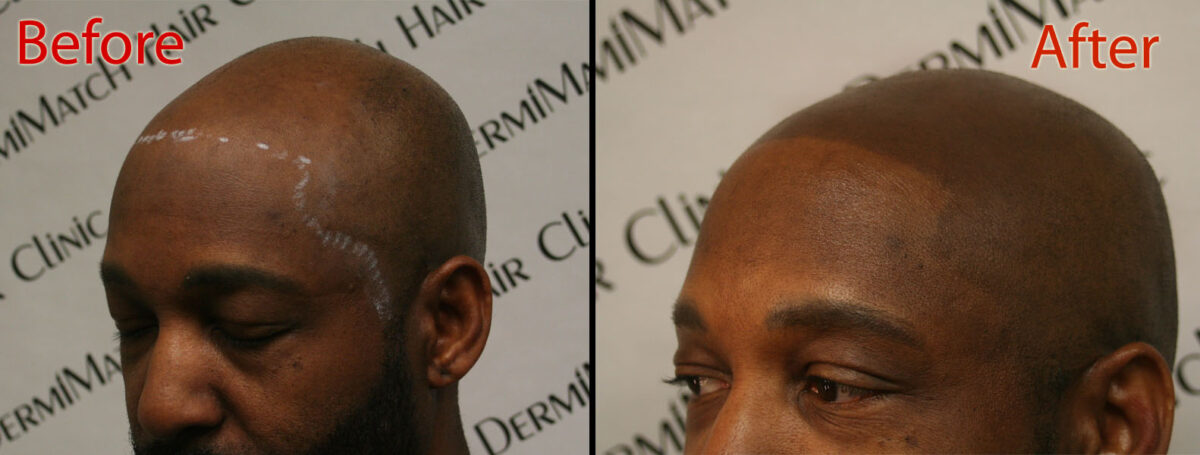
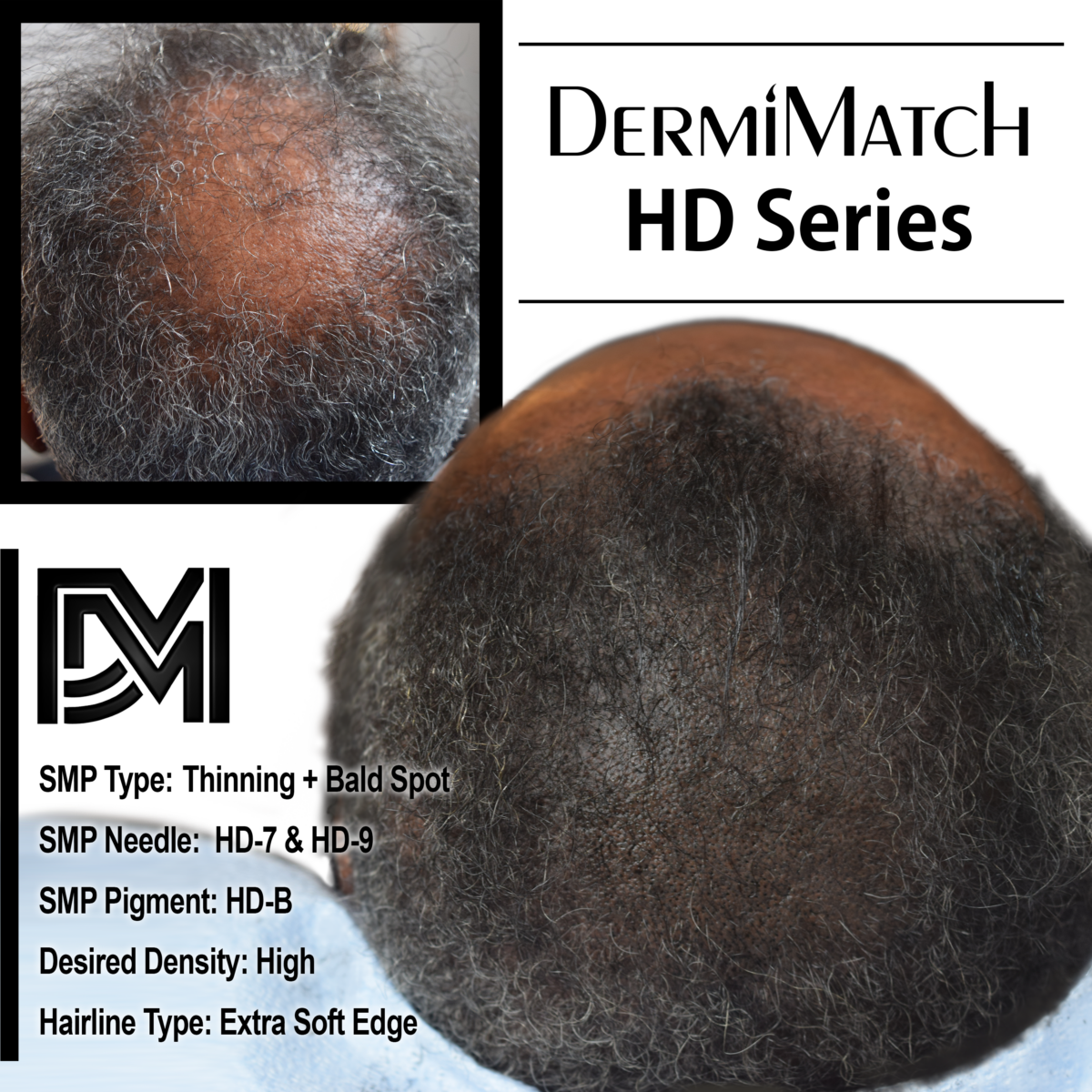
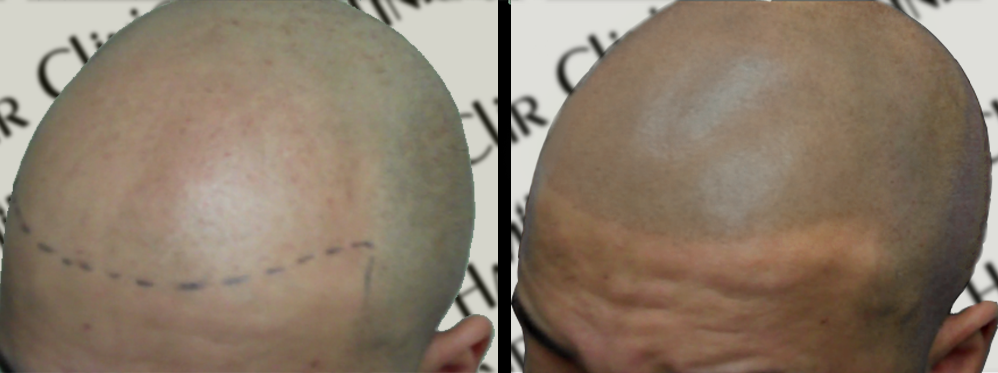
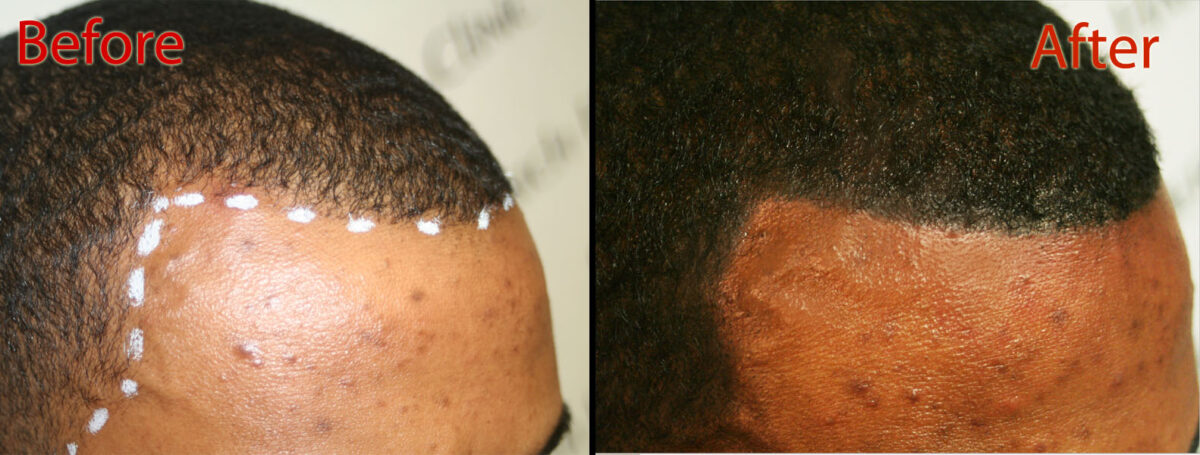
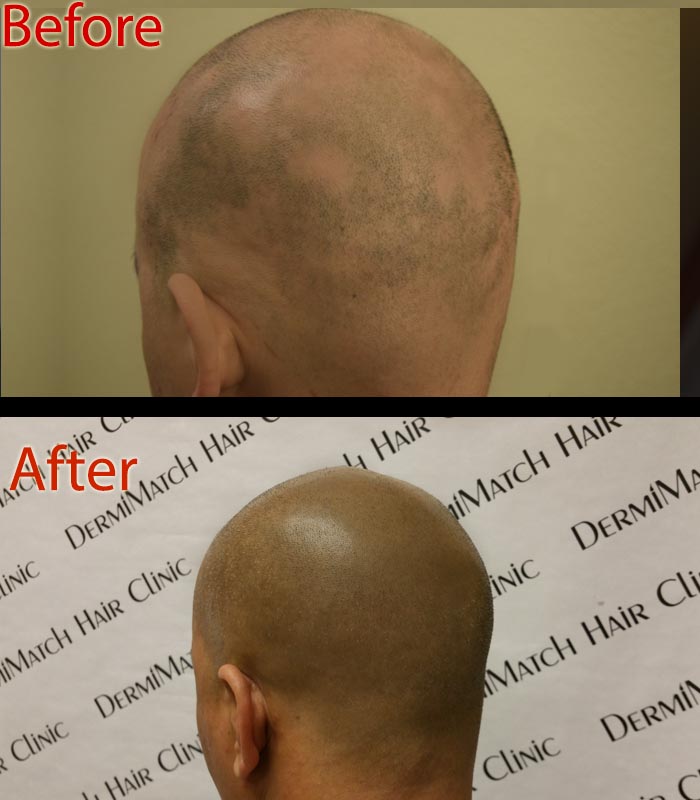
SMP is a non-surgical cosmetic procedure that deposits pigment dots into the scalp to mimic shaved or very short hair. It doesn’t regrow hair—it creates the illusion of density by simulating follicles. SMP is an effective solution even in the case of advanced hair loss or when you want a reliable visual solution rather than waiting for regrowth.

Of course, it shows quick results too.

Key Difference: Regrowth Vs Visual Density

When comparing microneedling for hair regrowth to SMP, the difference is clear.

Microneedling aims to stimulate real hair growth, while SMP gives instant visual density without growing hair. If you still have active hair follicles and want to try to rejuvenate them, microneedling may be effective.

However, if your hair loss is significant or you need a quick visual fix, SMP may outperform because it bypasses the waiting and uncertainty.

How many sessions of microneedling are needed for hair regrowth?

Studies indicate multiple sessions over several months are needed for measurable results. Patience and consistency matter.

Now you might wonder: Does microneedling work for balding spots? Well, the answer is only when follicles remain. If the area is completely bald with no follicles, microneedling alone has limited benefit.

Pros and Cons of Microneedling for Hair Regrowth

Pros: It works with your body’s natural mechanisms, can improve hair thickness, and may boost other treatments.

Cons: Results vary widely, progress is slow, and it requires ongoing sessions. In some cases, it may not work when follicles are gone.

Pros and cons of SMP

Pros: Instant visual result, works even on bald areas where follicles are inactive. SMP is a low-maintenance procedure, so you don’t have to worry about repeating it frequently, though a few touch-ups may be needed after a few years.

Cons: It doesn’t grow hair. You may have to carry the same look every single day or until you decide to reverse SMP.

Which should you pick?

Microneedling for hair regrowth might be an option if you have just started experiencing hair loss, but have plenty of follicles. However, if you’re feeling the pressure of visible thinning, want a dependable result, or natural remedies have failed you, SMP might be the smarter choice.

If you feel frustrated by slow progress, inconsistent outcomes, or shrinking confidence, SMP offers control, visible change, and clarity.

But the results may vary, depending on the skills of the artist. You don’t want to get trapped in the hands of a tattoo artist for your SMP job.

Arizona SMP professionals use fine needles, the right SMP pigment suited for the scalp, an artistic eye for hairline and density, and a strict hygiene protocol. Choose someone with SMP expertise, like the skilled scalp micropigmentation practitioners in Arizona at DermiMatch Clinic.

Remember, the result depends on the SMP professional’s expertise and skills.  Choosing the best hands for the job should be your first goal.
Categories
scalp micropigmentation

Hair Loss Solution for Men Balding in 20s

If you’re one of the men balding in 20s, you are not alone. Early onset hair loss can start in the late teens or early twenties, often due to genetics, hormones, and lifestyle factors. While some natural remedies and medications may help, many young men find themselves facing a change in appearance sooner than expected. While there are many hair loss solutions available, SMP for men facing early balding cure is undoubtedly the right way to take control.

The Science Behind Men Balding in 20s

The most common cause is Androgenetic alopecia (male pattern baldness). Hair follicles gradually shrink under the influence of the hormone DHT (dihydrotestosterone), producing thinner hair and eventually baldness.

Genetics plays a strong role—if close relatives have early balding, you’re at higher risk. Other contributors include nutritional deficiencies, high stress, poor scalp health, and certain hairstyles that pull on hair. For many young men, discovering these signs is an emotional challenge. Understanding the causes helps you see you’re up against an internal process, not your fault.

Why Natural Remedies Often Fall Short?

Do vitamins, scalp massage, special shampoos, essential oils, and diet changes help with hair loss or the problem of men balding in 20s?

Well, these remedies may or may not help if DHT and follicle miniaturization are at the root of the problem. The underlying process progressively halts hair growth in affected areas.

Medications like topical minoxidil or oral finasteride may slow or partially reverse this, but they come with limitations. Besides, the treatment is ongoing. At that point, stepping into solutions such as Scalp Micropigmentation (SMP) becomes an intelligent alternative or complement.

What SMP offers for men in their 20s facing early balding?

SMP uses small-scale pigmentation to replicate the appearance of closely-shaved hair on areas where thinning or bald patches are visible.

For those with early balding, SMP can instantly create the aesthetic of fullness, redefine the hairline, and restore confidence.

Since it is non-surgical and low-maintenance compared with a hair transplant, it can be a smart choice. Especially if natural remedies and medications have failed to deliver results, SMP provides an effective cure-in-appearance for men in their 20s dealing with hair loss. The goal is not to regrow hair but to render the thinning invisible and give you a crisp, youthful look despite hair loss progression. For many, this is the best form of “cure” they can realistically adopt rather than chasing perfect regrowth.

How to prepare and what to expect?

If you’re considering SMP for men balding in 20s, start by meeting an experienced SMP artist for a consultation. You’ll discuss your scalp condition, desired look, hairline design, and long-term maintenance.

Good prep means shaving or trimming the hair appropriately, following after-care instructions, and understanding that multiple sessions may be required. Refrain from unrealistic promises—this isn’t hair regrowth, but hair illusion. With proper care, the results are durable and can buy you years of confidence while you continue any other treatments you choose.

If you’ve tried diet, vitamins, specialized shampoos, or medications and still face visible thinning, SMP for men is a compelling option. It gives you immediate visual improvement far beyond what many natural remedies deliver.

But here’s a key warning: not all practitioners are equally qualified. With popular demand rising, many tattoo artists are now offering SMP services despite lacking specific SMP training or the right pigment, needle depth, and understanding of hairline design.

For the best outcome, pick a specialist whose portfolio shows scalp micropigmentation specifically on young men, check before/after results, ask about pigment fading, touch-ups, and hygiene protocols. Choosing the right Arizona SMP artist matters. Your future confidence depends on it.

For Arizona scalp micropigmentation for balding men in 20s, get help today at DermiMatch Clinic.

Categories
scalp micropigmentation

Natural Hair Growth Remedies That Fail Most People

You see the advertisements everywhere. Rosemary oil promises miracle growth. Biotin supplements guarantee thicker hair within months. Coconut oil claims to restore what time has taken. Natural hair growth remedies attract millions because they feel safe, affordable, and chemical-free.

People spend years trying these solutions. They massage oils into their scalps nightly. They swallow handfuls of vitamins each morning. They brew herbal teas and apply homemade masks. The hope never dies until reality finally sets in.

Do Natural Hair Growth Remedies, aka Oils, Work?

Research shows mixed results. Rosemary oil demonstrated some promise in one small study comparing it to minoxidil. Pumpkin seed oil showed modest improvements for specific users. Castor oil enjoys popularity based mainly on personal stories rather than scientific proof.

The truth is simple. Natural hair growth remedies can only help follicles that still function. Essential oils may improve scalp health. They might reduce inflammation. They could increase blood flow. But dead follicles stay dead. Severely miniaturized follicles rarely recover. Natural oils cannot resurrect what biology has already destroyed.

Your scalp may feel healthier. Your existing hair might look shinier. But bald spots remain bald. Thinning areas continue to thin. The visual density you desperately want never materializes.

Can Supplements Regrow Hair Naturally?

Biotin, zinc, iron, vitamin D, and omega-3 supplements flood the market. Manufacturers make bold claims about hair transformation. But the reality disappoints most buyers.

Supplements only work when you have actual deficiencies. If your iron levels are normal, extra iron will not regrow hair. If biotin already flows through your system adequately, more biotin just gets flushed out. Your body expels what it cannot use.

Most people who eat balanced diets already get sufficient vitamins. Popping extra pills wastes money without delivering results. Even when deficiencies exist, correcting them takes many months. Hair growth remains frustratingly slow and incomplete.

How Long Should I Try Natural Hair Growth Remedies Before Giving Up?

Experts suggest six months for any natural hair growth remedies to show effects. Your hair grows slowly. Follicles cycle through phases that span months. Quick results simply do not exist with natural approaches.

Six months of daily oil massages. Six months of supplement routines. Six months of dietary changes. Then you assess honestly. For most people, the mirror still shows the same disappointing reflection.

At this point, continuing becomes denial rather than hope. You have invested time and money. The biological reality has spoken. Your follicles cannot respond the way you need them to.

Why SMP Provides Real Visual Results When Natural Solutions Fail?

Scalp micropigmentation works differently from natural hair growth remedies. SMP does not attempt biological regrowth. Instead, it creates immediate visual density through skilled pigment application.

Tiny deposits mimic hair follicles or a shaved aesthetic. The technique works whether your follicles live or have died years ago. Scarred scalps respond just as well as healthy ones. Advanced baldness poses no obstacle. The transformation appears after just a few sessions.

Maintenance requires only occasional touch-ups every few years.

However, what may not work with SMP is the choice of a tattoo artist for the scalp job. Regular tattoo artists lack proper SMP training.

Real SMP demands specialized skills that are different from body tattooing. The pigment formulations differ. The depth requirements differ. The blending techniques differ. Understanding scalp anatomy, hairline design, and natural density patterns requires extensive specific education.

Wrong artists create obvious dots that scream fake. They use pigments that turn strange colors over time. A tattoo is deposited deeper than scalp micropigmentation. But they deposit SMP too deeply, causing permanent damage. They design unnatural hairlines that look cartoonish.

When natural hair growth remedies prove insufficient, SMP offers a reliable transformation. Just ensure truly trained hands perform your Arizona scalp micropigmentation procedure. Your scalp deserves nothing less than genuine expertise.

Trust DermiMatch SMP experts in Arizona and get rid of hair loss woes.

Categories
scalp micropigmentation

Minoxidil Not Working? Can SMP Help?

You applied minoxidil faithfully for months and waited patiently for new growth. But your hairline stayed the same. Is minoxidil not working? Well, you are not alone. In fact, millions face this frustration every year.

Why is Minoxidil Not Working?

Minoxidil works by widening blood vessels in your scalp. This brings more nutrients to hair follicles. It also extends the growth phase of your hair cycle. The problem is simple. Not everyone responds to this mechanism.

Your body requires a specific enzyme, SULT1A1, to activate minoxidil. Some people produce very little of this enzyme. For them, minoxidil remains inactive, regardless of how long they use it. Studies show only 30 to 40 percent of users see meaningful regrowth. That means most people get disappointing results.

Why Does Minoxidil Stop Working for Some Users?

Genetics plays a huge role. Your follicles may be too damaged to respond. Advanced hair loss often means follicles are dead or scarred. Minoxidil cannot revive what no longer exists.

Hormones matter too. DHT continues shrinking follicles even while you use minoxidil. The medication does not block DHT. It only tries to stimulate growth. When hormones work against you, minoxidil loses the battle.

Poor absorption reduces effectiveness. Oily scalps, clogged pores, or wrong application techniques limit how much of the drug reaches your follicles. Many people quit too early. They expect quick results, but minoxidil needs a minimum of four to six months to show results. Even then, improvements stay modest at best. During that period, you might wonder: Why is minoxidil not working?

How Long Should You Try Minoxidil Before Giving Up?

Experts recommend waiting at least six months with consistent use. If you see no improvement by then, continuing probably may not help. Waiting longer just delays finding a solution that actually works.

Some users report minoxidil stopped working after initial gains. This happens when hair loss progresses faster than treatment can keep up. Your genes control the timeline. Minoxidil cannot change your DNA.

Why SMP Works When Minoxidil Not Working Becomes Your Reality?

Scalp micropigmentation takes a completely different approach. Instead of trying to regrow hair, SMP creates the visual appearance of density. Tiny pigment deposits mimic hair follicles or a closely shaved look.

SMP works regardless of follicle health. Dead follicles, scarred areas, or genetic balding make no difference. The technique addresses what you see, not what grows. Results appear immediately after your sessions finish. No more waiting months, hoping for a change.

The procedure requires two to three sessions. Once healed, you need only occasional touch-ups every few years. The transformation is visual and guaranteed.

You can combine SMP with other treatments. Many people continue using minoxidil for existing hair while SMP camouflages thin areas.

But SMP works effectively if done by Arizona SMP professionals. Many tattoo artists now claim they do SMP. This trend puts clients at serious risk. Traditional tattooing and scalp micropigmentation require completely different skills.

DermiMatch SMP artists in Arizona understand scalp anatomy and understand your minoxidil not working woes. They know how skin holds pigment differently from other body areas. What’s more, they master depth control to prevent unnatural appearance or color changes.

In fact, they design hairlines that match your age, face shape, and ethnic background.

On the other hand, tattoo artists create obvious dots that look fake. They use incorrect pigments that turn blue or green over time. Unfortunately, they deposit the pigment too deeply, causing permanent mistakes. They lack an understanding of natural hair patterns and density variations.

The right SMP artist transforms your appearance naturally. The wrong one leaves you with expensive regret.

Why is minoxidil not working? Forget it and try SMP as a reliable alternative. Just make sure you put your scalp in truly trained hands.

Categories
scalp micropigmentation

How SMP Hair Loss Treatment Transforms Your Dating Confidence?

Hair loss changes everything about dating. You worry constantly about lighting. Every mirror becomes an enemy. You wonder if people notice your thinning crown or receding hairline before they notice you. Dating requires confidence. But hair loss destroys confidence. You desire intimacy but dread getting close. Many people seek hair loss treatment because they feel invisible in the dating world.

The Hidden Anxiety of Dating With Hair Loss

Every date becomes a mental battle. You arrive early to choose the right seat and avoid outdoor venues where wind might expose your scalp. You decline pool parties and beach trips. Chances are, you may turn down spontaneous plans because your hair needs careful styling first.

First impressions happen in seconds. Society links thick hair with youth, vitality, and attractiveness. Thinning hair makes you feel older than your years. You see younger people with full hair and feel defeated before you even try. This hair loss anxiety follows you everywhere social situations exist.

What Hair Loss Treatment Options Exist

This question drives millions of searches annually. Standard options include minoxidil, finasteride, PRP injections, laser therapy, and hair transplant surgery. These medical approaches help some people. Results take months to appear. Success rates vary dramatically.

Minoxidil requires daily application for life. Finasteride comes with potential side effects. PRP needs multiple expensive sessions. Hair transplants demand significant recovery time and donor hair availability. Many people invest a year or more into hair loss treatment with minimal visible improvement.

Does Hair Loss Treatment Really Work?

Medical treatments work differently for everyone. Non-scarring alopecia from stress or nutrition often reverses naturally. Genetic pattern baldness responds poorly to medication alone. The hair you lose may never fully return regardless of treatment efforts.

Scarring conditions permanently damage follicles. No medication can resurrect destroyed hair roots. After months of trying various hair loss treatment approaches, many people still see visible scalp through their remaining strands. Their dating confidence remains shattered.

How SMP Changes the Dating Game?

Scalp micropigmentation creates immediate visual density through specialized pigment application. Trained practitioners deposit thousands of tiny dots that replicate natural hair follicles. The technique works for any degree of thinning or complete baldness.

Unlike surgical hair loss treatment, SMP requires no grafting or lengthy recovery. Results appear immediately after your first session. You walk out looking noticeably different and of course, confident. The visual transformation happens in hours, not months.

Is SMP Better Than Other Hair Loss Treatment?

Other traditional hair loss treatment demands patience. Minoxidil needs six to twelve months. Finasteride requires similar timelines. During this waiting period, your dating anxiety continues. Your confidence remains low. You keep hiding.

SMP serves different needs than medical treatments. Medications attempt to stimulate regrowth. SMP creates visual density immediately. Medications require lifelong use and come with side effects. SMP lasts years with occasional touch-ups.

For dating confidence specifically, SMP wins decisively. Immediate results mean immediate confidence restoration. You stop hiding today, not months from now. Your dating life improves immediately because you feel attractive again.

If you have tried minoxidil, finasteride, PRP, or other hair loss treatment methods without regaining your dating confidence, scalp micropigmentation offers an immediate transformation. When medications fail and transplants are not viable, SMP provides the visual density you need to feel attractive again. Your dating life deserves this confidence boost.

However, choosing your Arizona SMP practitioner is critical to your success. Regular tattoo artists now claim they perform SMP to capitalize on demand. This threatens your results and your confidence.

Standard tattoo equipment differs from medical-grade SMP tools. Regular tattoo pigments fade to unnatural blue-gray tones on scalps. Traditional tattoo techniques create artificial-looking patterns. Tattoo artists lack specialized training in scalp anatomy, follicle density patterns, and proper pigment matching for different skin tones.

Their needle depth is wrong for scalp tissue. Their dot size is inappropriate for replicating hair follicles. They cannot create natural hairlines or blend properly with existing hair. The results look fake.

Find someone with genuine SMP expertise, like DermiMatch scalp artists in Arizona. Your dating confidence depends on natural-looking results. Your romantic future deserves qualified hands creating your transformation.

Categories
scalp micropigmentation

Lupus Hair Loss Treatment: Can SMP Help Fail?

Lupus is a chronic autoimmune disease where your immune system mistakenly attacks healthy tissues throughout your body. When this inflammation targets your scalp, hair follicles become damaged and weakened. Many people with lupus experience “lupus hair” — brittle, broken strands along the hairline that signal deeper problems beneath the surface. Lupus hair loss treatment is sought after by many suffering from this problem.

Will My Hair Grow Back With Lupus Hair Loss Treatment?

This question weighs heavily on anyone facing lupus-related hair loss. The honest answer depends on which type affects you. If your hair loss stems from inflammation or medication side effects, regrowth is possible once your lupus stabilizes. Most patients see new growth within three to six months after achieving remission.

However, scarring alopecia tells a different story. When discoid lesions create permanent scars on your scalp, those damaged follicles cannot regenerate. The hair loss becomes permanent. Early treatment remains critical for preventing scarring and protecting remaining follicles.

Treatment Options for Lupus Hair Loss

Managing lupus forms the foundation of any hair loss treatment plan. Doctors typically prescribe corticosteroids, antimalarial drugs like hydroxychloroquine, or immunosuppressants to control inflammation. When the disease activity decreases, non-scarring hair loss often improves naturally.

Dermatologists may recommend topical treatments, including steroid creams or minoxidil, for certain cases. Iron supplements help when anemia contributes to shedding. Adjusting medications that trigger hair loss can make a significant difference. Protecting your scalp from sun exposure prevents flare-ups that worsen the condition.

Is Lupus Hair Loss Permanent?

Permanence depends entirely on follicle damage. Non-scarring forms remain reversible through proper disease management. But once scarring develops on your scalp, hair loss becomes permanent. No amount of medication can revive destroyed follicles.

This harsh reality leaves many people searching for lupus hair loss treatment alternatives when natural regrowth proves impossible.

Does Scalp Micropigmentation Work?

Scalp micropigmentation represents a breakthrough solution for permanent lupus hair loss. This specialized cosmetic procedure uses micro-deposits of medical-grade pigment to replicate the appearance of natural hair follicles. Unlike hair transplants, SMP doesn’t require living follicles or surgical grafting.

The treatment creates visual density where hair no longer grows. Skilled practitioners carefully match pigment to your natural hair color and skin tone. They strategically place thousands of tiny dots across thinning or bald areas. The result mimics a closely shaved head or adds apparent fullness to existing hair.

SMP works exceptionally well for scarring alopecia where follicles are permanently gone. It camouflages discoid lesions and evens out patchy areas. The procedure is non-invasive with minimal discomfort and no lengthy recovery period.

Choosing the Right SMP Artist

When medical treatments cannot reverse lupus hair loss, scalp micropigmentation offers renewed confidence and restored appearance. This solution works independently of follicle health, making it ideal for permanent hair loss conditions.

However, success depends entirely on choosing a qualified SMP specialist in Arizona. The cosmetic tattoo industry has exploded recently, with traditional tattoo artists claiming SMP expertise. This trend poses serious risks. Standard tattoo equipment, pigments, and techniques differ dramatically from medical-grade scalp micropigmentation.

Tattoo artists lack training in scalp anatomy, follicle replication patterns, and skin tone matching. They use inappropriate pigments that fade to unnatural colors. Their needle depth and application techniques create unnatural results.

Always verify your practitioner’s specialized SMP training, medical knowledge, and extensive portfolio of scalp work. Seek someone experienced with scarring conditions and autoimmune-related hair loss.

Your self-image deserves protection by qualified hands. Choose expertise over convenience, specialization over claims, and proven results over promises.

Categories
scalp micropigmentation

Hair Loss Anxiety: How SMP Helps?

Hair loss anxiety creates a destructive pattern that feeds on itself. You notice thinning hair and immediately feel self-conscious. That stress triggers hormonal changes that accelerate more shedding. More hair loss increases your anxiety levels even further. The cycle continues endlessly. Research shows nearly half of people experiencing hair loss develop significant anxiety disorders.

When your reflection changes daily, genuine psychological distress develops. You avoid mirrors, cancel social plans, and withdraw from situations where people might notice your thinning scalp.

Can Hair Loss Anxiety Add to Stress & Hair Loss?

Yes, anxiety directly triggers multiple types of hair loss. When you experience chronic stress, your body produces excessive cortisol that disrupts the natural hair growth cycle. This hormone forces hair follicles into their resting phase prematurely.

The result appears as telogen effluvium, where clumps of hair shed suddenly. Some people with severe anxiety develop alopecia areata when their immune system attacks hair follicles during periods of extreme stress. There are a few others who start pulling their hair due to anxiety.

Why Natural Remedies Fail to Address Hair Loss Anxiety?

Many people try supplements, special diets, essential oils, and vitamins, hoping to reverse hair thinning. These approaches rarely deliver visible results.

Worse, waiting months for treatments that might not work deepens the anxiety instead of relieving it. The fear intensifies as you watch your hairline recede further while remedies show no results. You need something that addresses both the appearance problem and the psychological distress simultaneously. Traditional solutions tackle only one side of the equation.

What Makes Scalp Micropigmentation Different?

Scalp micropigmentation uses specialized micro-needles to deposit medical-grade pigments into your scalp’s upper layer. The treatment aims to replicate natural follicles. The technique creates visual density and fullness immediately.

Unlike treatments requiring months of waiting, you see a transformation immediately after sessions are complete. This instant visual improvement breaks the anxiety cycle in ways biological remedies cannot. Your reflection changes from a source of stress to a source of confidence. The psychological relief happens alongside the cosmetic enhancement.

Why SMP Works as a Psychological Tool Against Hair Loss Anxiety?

SMP delivers guaranteed visible results regardless of your biology or hair loss cause. This alone reduces anxiety because you regain control over your appearance. Natural remedies depend on your body responding correctly.

SMP depends only on skilled artistry. You no longer worry whether follicles will grow or treatments will fail. The visual buffer protects your mental health even if underlying hair loss continues. You can combine SMP with medical treatments for existing hair while eliminating the visible signs that trigger anxiety. This dual approach addresses both psychological and physical aspects simultaneously.

Is Stress-Related Hair Loss Permanent?

Stress-induced hair loss, like telogen effluvium, typically resolves when the stressor ends. Hair usually regrows within three to six months. However, the anxiety created by seeing significant shedding often prevents the stress from actually resolving. This perpetuates the cycle indefinitely. SMP interrupts this pattern by removing the visual trigger of your anxiety. When you stop seeing thinning scalp daily, your stress levels naturally decrease.

How Long Does SMP Last?

Properly executed SMP typically lasts three to five years before requiring touch-ups. Sun exposure and skin type affect fading rates. Simple maintenance sessions restore the original appearance easily.

But it is important to choose the right Arizona SMP practitioner for the job. SMP is not the job of tattoo artists. Standard tattooing techniques differ completely from medical scalp micropigmentation.

Wrong pigments create unnatural colors that turn blue or green over time. Incorrect depth causes blotchy patterns visible under bright lighting. Poor artistry produces obvious fake appearances that worsen your anxiety instead of relieving it.

Luckily, DermiMatch SMP specialists understand scalp anatomy, pigment chemistry, and how different skin tones age. They deliver flawless results that withstand scrutiny under any conditions. An unqualified provider could destroy your appearance and psychological well-being permanently. Your choice of a scalp artist determines whether SMP becomes your secret weapon against hair loss anxiety or your greatest regret.

Schedule your consultation with the best scalp artist in Arizona.

Categories
scalp micropigmentation

Hair Loss Treatment for Athletes

Athletes deal with hair loss differently from the average person. Intense training sessions cause excessive sweating that clogs hair follicles and creates a breeding ground for bacteria. Tight helmets and headgear pull on the hairline repeatedly. Performance-enhancing hormones and extreme dieting strip away essential nutrients. Physical stress from competition triggers hormonal changes that accelerate thinning.

When you combine genetics with these athletic lifestyle factors, finding the right hair loss treatment for athletes becomes critical. Most traditional solutions cannot keep pace with an athlete’s demanding schedule and physical requirements.

Why Hair Transplants Fail Athletes?

Hair transplants get marketed as the permanent answer to balding. But surgery requires weeks of recovery time when you cannot train intensely or compete.

Sweating during the healing period can damage grafts and cause infections. Physical contact sports risk disturbing the surgical site. The transplanted follicles remain vulnerable to the same hormonal factors that caused the original hair loss.

Many athletes discover their transplant results look patchy within a few years as surrounding hair continues to thin. The procedure also leaves linear scars that become visible with short hairstyles. For someone who needs to perform at peak levels without extended breaks, hair transplants create more problems than they solve.

Understanding Scalp Micropigmentation as a Hair Loss Treatment for Athletes

Scalp micropigmentation uses specialized micro-needles to deposit medical-grade pigments into the scalp layer. These tiny dots replicate the appearance of natural follicles. The technique does not grow actual hair but creates a realistic illusion of density and fullness. For athletes seeking the best hair loss treatment, SMP delivers results without surgical risks or lengthy recovery periods.

Why Athletes Choose SMP Over Other Hair Loss Treatments?

Many athletes try supplements, special diets, and topical treatments, hoping to reverse hair loss naturally. These approaches rarely deliver visible restoration. Genetics and hormonal factors prove too powerful for vitamins alone to overcome. When natural methods fail, athletes need a reliable solution that actually works. Scalp micropigmentation delivers guaranteed results regardless of your hair loss cause or biology.

Athletes gravitate toward scalp micropigmentation because it fits their lifestyle perfectly. The procedure involves no incisions, no stitches, and no surgical wounds.

Most athletes return to light training within days rather than months. Results appear immediately after sessions complete, and they don’t need to wait for a year to see growth. The pigmentation withstands sweat, chlorine, and physical contact once healed.

Helmets and headgear cause no damage to SMP. Athletes can maintain their training schedules with minimal interruption. This makes scalp micropigmentation the most practical hair loss treatment for athletes who refuse to compromise their performance.

Can You Sweat After Scalp Micropigmentation?

This question concerns every athlete considering SMP. During the first four to seven days after each session, you must avoid excessive sweating to allow the pigment to settle properly. After this brief healing window, sweating causes zero damage to your scalp micropigmentation. Athletes resume intense workouts, compete under stadium lights, and train in any conditions without affecting their SMP results. The pigmentation stays locked beneath the skin surface, where sweat cannot reach it.

How Long Does Scalp Micropigmentation Last for Athletes?

Properly executed scalp micropigmentation typically lasts three to five years before requiring a touch-up. Sun exposure, natural skin cell turnover, and individual skin chemistry determine fading rates.

Athletes who spend significant time outdoors may notice slightly faster fading. A simple maintenance session every few years restores the original appearance. This longevity makes SMP a cost-effective hair loss treatment for athletes compared to monthly medications or repeated surgeries.

Does Scalp Micropigmentation Hurt?

Pain levels during SMP remain minimal. Most athletes describe the sensation as light scratching or tingling on the scalp. The discomfort falls far below what you experience during a hair transplant surgery. Numbing agents can reduce sensation further if needed. Athletes accustomed to physical training find the process quite tolerable.

Scalp micropigmentation is becoming more popular, and this has drawn in people who aren’t properly trained. Many tattoo artists now claim they can do SMP in Arizona, but the process is very different from regular tattooing. Using the wrong pigments, going too deep, or lacking skill can leave results that look fake, especially under bright lights.

This can cause blotchy spots or unnatural patterns that are hard and costly to fix. Athletes should always choose a certified SMP specialist with real training and a strong portfolio of work. Picking the wrong scalp artist in Arizona can damage your look for good, while the right one gives you natural, lasting results that hold up in every training situation.

SMP professionals at DermiMatch are truly experts in scalp micropigmentation in Arizona and can help solve your problem. Find the right scalp artist now.