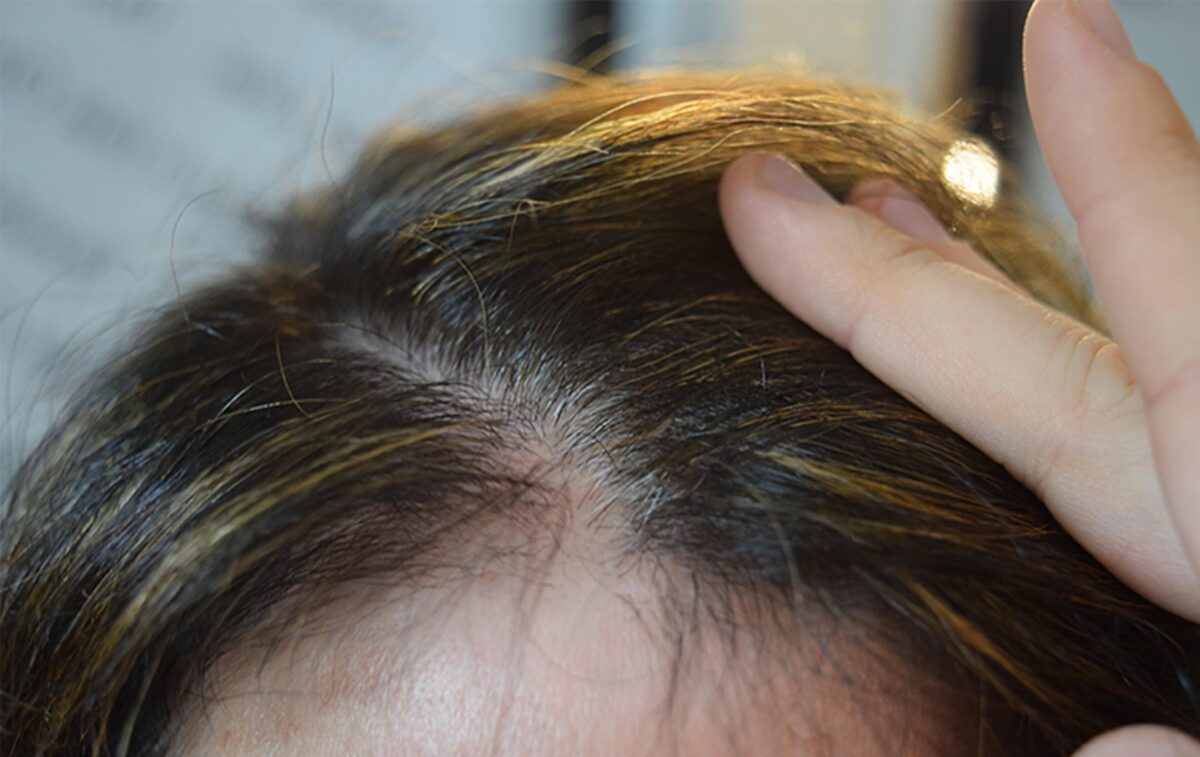
You started blood thinners to stay safe. A few months later, the drain tells a different story. Handfuls come out in the shower, the crown is receding, and your scalp catches the light. Naturally, the first instinct is to blame the pill and quit. Don’t ever do that, as it amounts to risking your life.
Do blood thinners cause hair loss?
Often, yes. Anticoagulants can push your follicles into their resting phase too early, a pattern known as telogen effluvium. Then, roughly two to four months after you start the medication, those strands let go together. The shedding spreads across the whole scalp instead of forming one bald patch, so the thinning reads as an even loss over the top. It feels alarming, yet the mechanism is well documented.
Which blood thinners are the usual suspects?
Warfarin and heparin carry the strongest reputation here. Newer options like rivaroxaban, dabigatran, and apixaban seem gentler, although shedding reports still trickle in. Sensitivity also swings from person to person, so two people on the same dose can react in opposite ways.
But you can’t stop using blood thinners on your own. Blood thinners guard you against clots, strokes, and other serious events, so stopping one without a doctor’s advice can cost far more than a full head of hair. Never adjust or drop an anticoagulant without your prescriber. Sometimes a doctor can switch you to a friendlier alternative, but that decision is theirs alone.
Does the hair grow back?
Usually, it does. Once the trigger settles, follicles restart, and natural hair restoration through your own cycle can take three to six months. Gentle habits protect the strands you keep. Skip tight ponytails, harsh heat, and rough brushing. Reach for a mild shampoo and a wide-tooth comb. Even then, regrowth is never guaranteed, and long-term shedding can leave gaps that refuse to close.
Where does SMP become the safer fix?
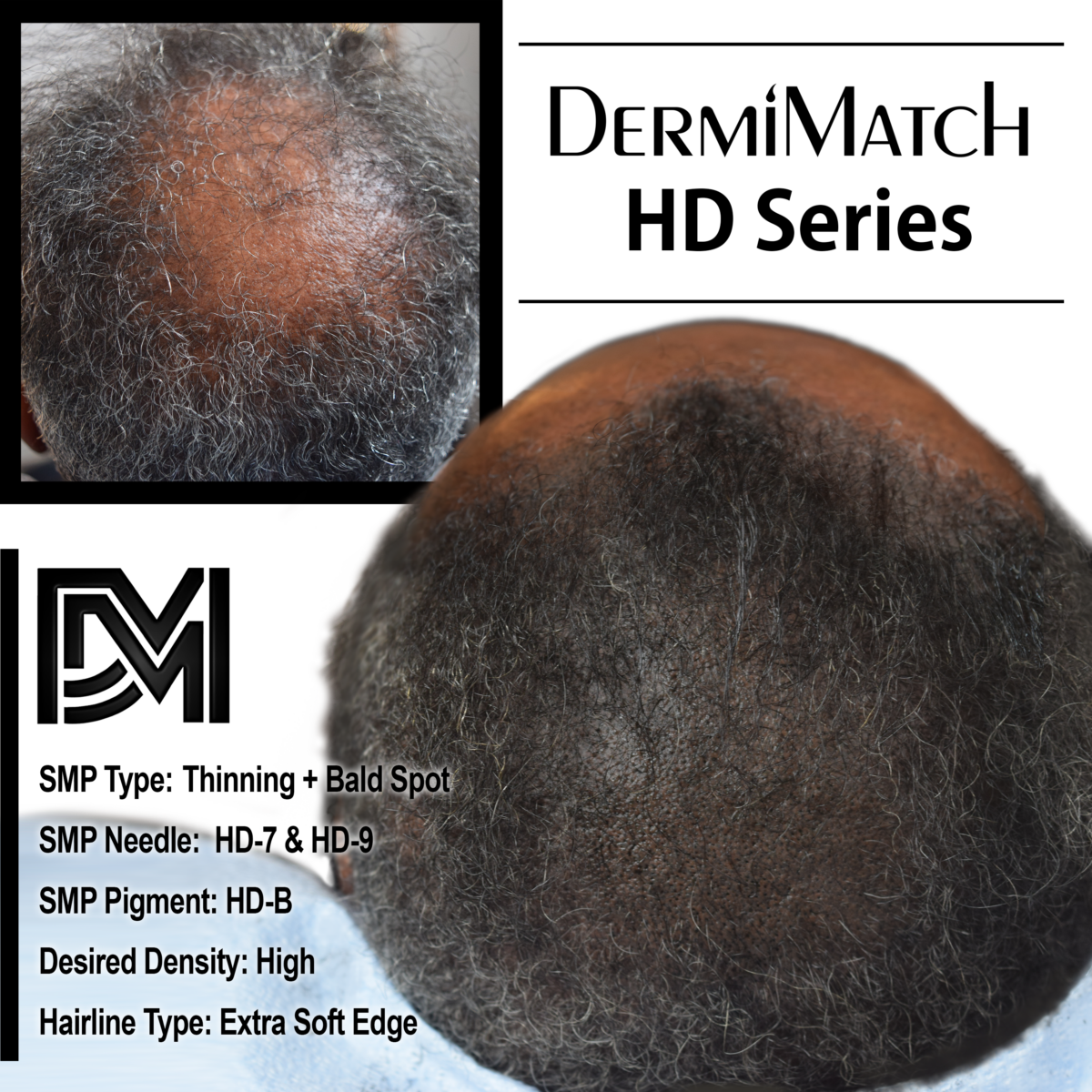
Scalp micropigmentation delivers hair restoration without touching your medication at all. An Arizona SMP artist places tiny pigment dots across the thin areas, and each one mimics a real follicle. That helps close the gap between skin and hair, so a bare crown or a see-through part reads as a full, closely cropped head.
SMP Expert versus a tattoo artist
This last step matters most. SMP and tattooing rely on different needles, depths, and pigments, plus a completely different eye for hairlines. Lately, many tattoo artists tack “SMP” onto their menu without having undergone any scalp training. This could be dangerously risky.
Do not book someone just because their sleeve work looks sharp. Rather, you want to trust an Arizona scalp artist who has a portfolio full of healed scalp results. Check their specialist education and study their work on skin and hair like yours. When medication keeps thinning your hair and quitting is not safe, the right SMP Arizona specialist hands you confident, natural hair restoration without ever touching your prescription.
Choose the best hands that can produce visible SMP results. Get in touch with the SMP team at DermiMatch Clinic.