
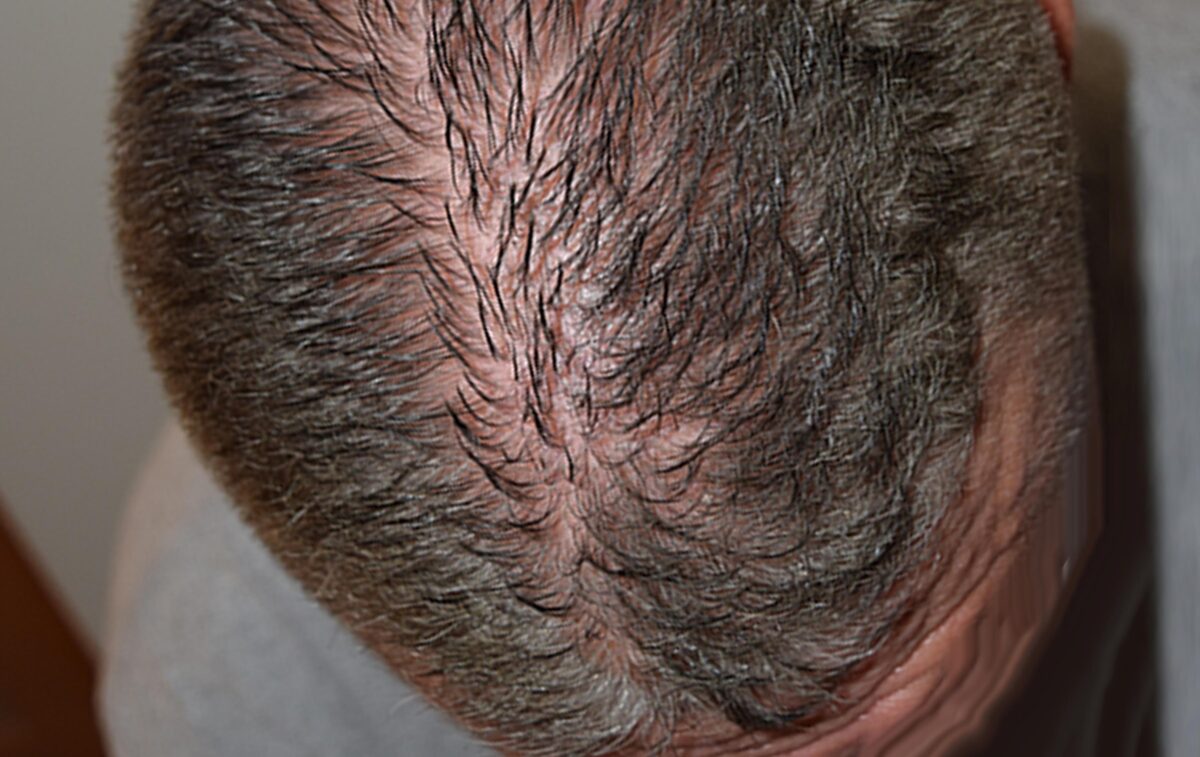
Starting on an antidepressant often brings welcome relief. Mood lifts. Sleep improves. Daily life feels more manageable. Then, a few months in, something unexpected happens. More hair collects on the pillow. The shower drain fills faster. The scalp starts showing through in places it never did before. For many people, hair loss from antidepressants arrives quietly and catches them completely off guard.
Why Antidepressants Trigger Hair Shedding?
Not every antidepressant causes hair loss, but several commonly prescribed ones do. Selective serotonin reuptake inhibitors top that list.
The mechanism centers on telogen effluvium. Antidepressants push active follicles into the resting phase too early. Those hairs then shed instead of continuing to grow. Most people notice the change two to three months after starting medication, which makes the connection easy to miss at first.
Why It Feels So Personal?
Hair connects closely to identity, confidence, and self-expression. Someone already managing depression or anxiety does not need another source of daily stress. Yet antidepressant hair loss adds exactly that. Many people start checking their scalp every morning. They avoid tying their hair back. They feel anxious in photos or under overhead lighting.
That emotional weight makes finding a practical solution more urgent.
Does the Hair Grow Back?
In many cases, yes. Research shows that over 60 percent of people see improvement after stopping or switching medication. However, recovery can take up to six months. Many people cannot stop their medication for mental health reasons. Others find that even after adjusting the prescription, the scalp never fully recovers its previous density.
Standard regrowth products fill that gap poorly. Minoxidil helps some people but requires daily commitment and delivers slow results. Fibers and root sprays cover the problem for a few hours before sweat or rain undoes the effort.
How SMP Addresses the Visual Gap?
Scalp micropigmentation does not regrow hair. Instead, it places tiny pigment dots on the scalp to replicate the look of natural follicles. Those dots reduce contrast between skin and existing hair. Thin areas appear denser. The part line looks softer. The crown shows less.
Importantly, SMP does not treat the medical cause of shedding. It improves how the scalp looks while the person manages the underlying cause with their doctor. That distinction matters.
Most clients complete treatment in two to three sessions. The result needs no daily maintenance and does not wash away at night. It also works for people keeping their hair long. The artist places pigment between existing strands, making it a practical option for diffuse thinning in both men and women.
Choosing the right SMP artist
This is where most people go wrong. Scalp micropigmentation has grown rapidly, and that growth has pulled many tattoo artists into the space without proper training. Traditional tattooing and SMP are not the same craft. Body tattoo work drives ink deep for bold color. SMP requires shallow, precise pigment placement that mimics individual follicles and ages naturally. The techniques, needle types, and pigment formulas differ completely.
Poor SMP produces dots that look oversized, too dark, or bluish over time. For someone already carrying the emotional weight of antidepressant hair loss, a bad result makes everything worse.
Always choose a practitioner who specializes exclusively in scalp micropigmentation in Arizona. Ask for a portfolio showing diffuse thinning cases, not just buzzed-head work. Skill, restraint, and experience separate a natural result from one that draws the wrong kind of attention.
Have you experienced hair loss from antidepressants? Schedule a consultation with Arizona SMP experts at DermiMatch Clinic.