
CALL TODAY! 480-788-2432
CALL TODAY! Service: 480-788-2432 | Products: 833-436-4247
Categories
scalp micropigmentation

Link Between Crash Diets and Hair Loss

Crash diets promise quick weight loss, but attack your hair. When there is a calorie deficit, your body enters survival mode. Hair isn’t essential for survival. Nutrients get redirected away from hair follicles, slowing growth and weakening strands. Many people searching for hair loss remedies don’t realize their diet triggered the problem.

Hair follicles need protein, iron, zinc, biotin, and healthy fats. Crash diets eliminate most of these. The result is thinning, dullness, and excessive shedding. This condition often appears weeks or months after the diet ends, and then you start trying multiple hair loss remedies without success.

Why Crash Diets Cause Sudden Shedding?

Rapid weight loss stresses your body significantly. That stress pushes hair follicles into a resting phase called telogen effluvium. When this happens, hair falls out in large amounts during washing or brushing. People often ask, can crash dieting cause hair loss. The answer is yes, and it happens more frequently than people admit.

Even when normal eating resumes, hair doesn’t instantly recover. The follicle cycle takes time to reset. Many turn to supplements and shampoos, hoping hair loss remedies will reverse the damage. In many cases, density never fully returns to previous levels.

Why Hair Loss Remedies Don’t Always Work?

Hair loss remedies focus on regrowth, not visual density. Supplements only help if follicles remain active. Oils and serums improve scalp condition but cannot replace lost follicles. This is why people ask, why are hair loss remedies not working for me.

Crash dieting can permanently miniaturize follicles. Once this happens, no vitamin or oil can bring them back. This creates frustration, especially when shedding exposes the scalp in bright light or photos. Traditional hair loss remedies address symptoms but cannot fix structural follicle damage.

The Emotional Impact of Diet-Related Hair Loss

Hair loss changes how people see themselves. Confidence drops significantly. Styling becomes stressful. Many people avoid social events or constantly adjust lighting and angles. Searching for hair loss remedies becomes an endless cycle of hope and disappointment.

The stress itself worsens hair loss. This creates a loop that natural solutions cannot break. At this stage, realistic options matter more than promises. People need solutions that work regardless of follicle health.

Why Scalp Micropigmentation Solves What Hair Loss Remedies Cannot

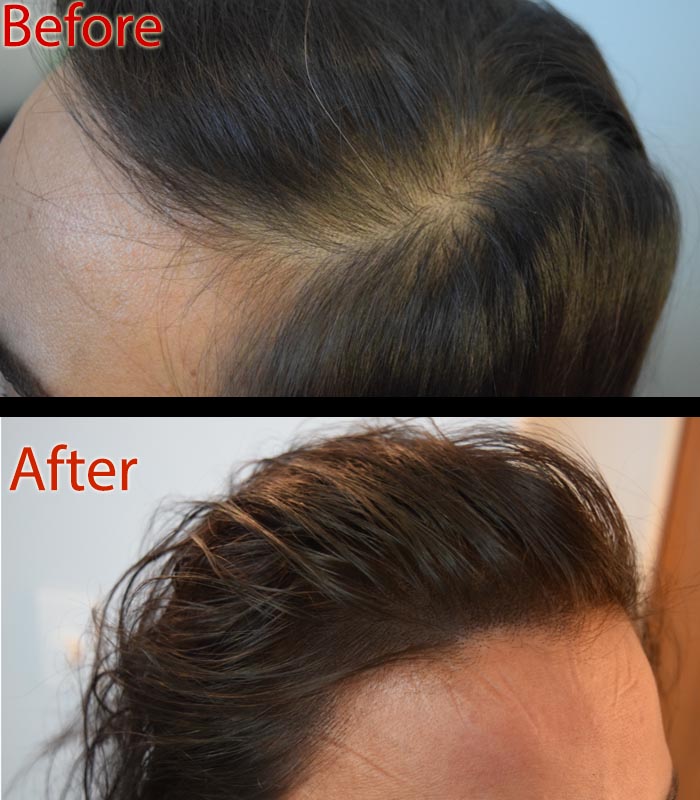
Scalp micropigmentation doesn’t rely on hair regrowth. It restores the appearance of density instantly. SMP places micro impressions that replicate shaved hair follicles, blending seamlessly with existing hair or creating a clean shaved look.

For people suffering from side effects of crash diets, SMP bypasses the follicle entirely. It works whether hair loss is temporary, permanent, patchy, or diffuse. This answers another common question: what is the best solution when hair loss remedies fail? SMP provides a cosmetic solution that looks natural and lasts for years.

SMP Versus Natural Hair Loss Remedies

Hair loss remedies require time, discipline, and uncertain outcomes. SMP delivers immediate visual correction. Remedies may help prevent further loss. SMP fixes what is already gone. Many clients combine both approaches, using hair loss remedies for scalp health and SMP for appearance.

This combination works especially well after diet-related thinning, where regrowth remains unpredictable. The hair loss remedies maintain existing follicles while SMP creates the illusion of fuller coverage.

Choosing the Right SMP Artist Matters

As SMP grows popular, many tattoo artists offer scalp micropigmentation. This creates serious risks. SMP is not traditional tattooing. It requires knowledge of hair patterns, pigment dilution, depth control, and long-term color behavior. Poor SMP looks flat, blue, or unnatural.

An experienced SMP specialist understands hair loss remedies, scalp biology, and cosmetic realism. They design results for aging, lighting, and different hairstyles. Choosing the wrong SMP provider in Arizona can create permanent mistakes that are difficult to correct.

The key is choosing an Arizona SMP expert, not a tattoo artist experimenting on scalps. Skill, specialization, and experience define great outcomes. Hair can be unpredictable. Results should not be. You deserve expert care from practitioners who understand both hair loss remedies and when those remedies reach their limits.

Choose the best scalp micropigmentation Arizona professional at DermiMatch now.
Categories
scalp micropigmentation

Gut Health and Hair Loss: How Digestive Issues Show on the Scalp?

The connection between gut health and hair loss is real but often overlooked. Your gut and scalp communicate constantly through hormones, immune signals, and inflammation pathways. When digestion becomes weak, the scalp typically shows signs first. Hair thinning, excessive shedding, dandruff, itchiness, and uneven scalp tone commonly result from gut imbalance.

People often treat scalp problems with oils and shampoos. The root cause starts much deeper inside the digestive system.

Understanding the Gut Health and Hair Loss Axis

The gut-skin axis describes the relationship between your digestive system and skin health. Your gut controls nutrient absorption, inflammation levels, and immune response. When digestion suffers, the body struggles to deliver nutrients like iron, zinc, biotin, and protein to hair follicles.

This explains why gut health and scalp problems often appear together. Poor digestion means poor follicle support and weakened hair growth.

Digestive Problems That Affect The Scalp

Many people ask if gut problems cause hair loss. The answer is yes. Some conditions, such as bloating, acidity, constipation, IBS, food sensitivities, and frequent antibiotic use, disrupt gut bacteria. This imbalance increases inflammation and reduces nutrient absorption.

The scalp responds with dryness, flaking, redness, and visible thinning. Over time, follicles weaken and stop producing strong hair. Research shows that gut and hair loss are connected through multiple biological pathways.

Inflammation Links Gut Health and Hair Loss

When the gut lining becomes irritated, toxins leak into the bloodstream. This triggers systemic inflammation affecting the scalp environment.

An inflamed scalp struggles to support healthy hair growth. This is why people ask, why does my scalp itch and shed even when I eat well. The issue often stems from digestion, not diet quality.

Why Natural Remedies Have Limitations?

Improving gut health can help slow hair loss, but it doesn’t always restore lost density. Probiotics, fiber, and elimination diets may reduce inflammation. However, they cannot revive follicles that have already shut down.

So, will fixing gut health regrow hair? Sometimes it helps. Often it doesn’t. Once follicles miniaturize or die, regrowth becomes unlikely. Understanding gut health-hair loss connection means accepting these biological limits.

The Emotional Toll of Gut-Related Hair Loss

Hair loss caused by digestive issues feels frustrating because it seems unpredictable. People clean up their diet. They take supplements. Still, the scalp shows through.

This creates anxiety and constant searching for solutions tied to gut health and hair shedding. When improvement stalls, confidence suffers significantly.

Why Scalp Micropigmentation Helps When Gut Fixes Fail?

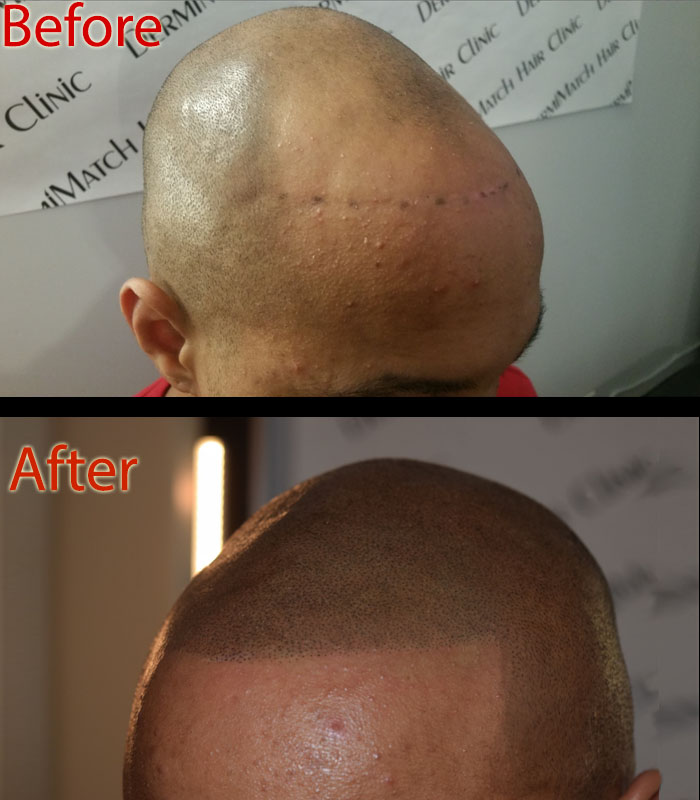
Scalp micropigmentation works independently of hair growth. It doesn’t rely on digestion, hormones, or inflammation levels. SMP restores the appearance of density by replicating hair follicles with precise pigment placement.

For people affected by gut health and hair loss, SMP provides control. Even if digestion improves slowly or inconsistently, the scalp can look full immediately. This answers another common question: What can I do if my hair doesn’t grow back after fixing my gut?

SMP complements gut healing

SMP doesn’t interfere with gut health improvements. Many clients continue working on digestion while enjoying a restored appearance. The combination reduces stress, which itself supports gut healing.

Looking better often helps people feel better. That matters more than most realize when addressing gut health and hair loss.

Choosing the Right SMP Artist Matters Critically

As SMP becomes popular, many tattoo artists now claim to offer scalp micropigmentation. This creates serious risks. SMP is not traditional tattooing. It requires understanding scalp skin, hair patterns, pigment behavior, and long-term aging.

Poor SMP can look unnatural, change color, or spread over time. An experienced Arizona SMP specialist understands hair loss, including gut health and hair loss patterns, and designs results that stay realistic.

The gut-skin axis explains why digestive issues often show up on the scalp. Fixing gut health can help, but it doesn’t always reverse hair loss. When natural methods reach their limit, scalp micropigmentation in Arizona offers a reliable path forward.

Results depend on the Arizona scalp artist’s skill and specialization. Choose wisely. Hair may be biological, but outcomes should never be a gamble. Your appearance deserves expert care from practitioners who understand both the science of gut health and hair loss and the artistry of creating natural-looking density that lasts.

Choose the best SMP professional in Arizona at DermiMatch Clinic.