CALL TODAY! 480-788-2432
CALL TODAY! Service: 480-788-2432 | Products: 833-436-4247
Categories
scalp micropigmentation

Oxygen Scalp Therapy for Better Hair Health

What is the best remedy for scalp health?

Oxygen scalp therapy is becoming a buzzword in hair care. From salons to clinics, an increasing number of people are exploring it as a way to improve scalp health and support hair growth. But what is it, how does it work, and is it the right solution?

Let’s break it down in simple terms.

What Is Oxygen Scalp Therapy?

Is oxygen good for the scalp? How to get more oxygen to your scalp?

Oxygen scalp therapy is a non-invasive treatment. It delivers concentrated oxygen directly to your scalp. This oxygen is either sprayed or delivered through a dome device. The goal is to boost blood circulation, reduce buildup, and help the scalp breathe better.

Some versions of this therapy also include serums or vitamins. These are pushed deeper into the skin using the oxygen stream. The idea is to nourish the follicles and create a healthy scalp environment.

Why Your Scalp Needs Oxygen?

Just like your skin, your scalp needs oxygen. Poor circulation can lead to dryness, flaking, clogged pores, and even thinning hair. By giving your scalp a boost of pure oxygen, you improve blood flow and remove toxins.

Healthy scalp = healthy hair. That’s the logic behind oxygen scalp therapy.

Benefits of Oxygen Scalp Therapy

Many people notice that their scalp feels cleaner and more refreshed after a session. Oxygen helps reduce irritation and can calm inflammation. It also unclogs follicles, making it easier for hair to grow in a healthy way.

The treatment is pain-free and usually takes under an hour. There’s no recovery time. It works well along with other therapies like PRP or laser treatments. It’s also a good option if you use a lot of products or suffer from buildup and itchiness.

What are the side effects of oxygen scalp therapy?

Oxygen scalp therapy helps improve scalp conditions. But it doesn’t regrow hair where follicles are already dead. That’s an important point.

It won’t reverse baldness. And it’s not a cure for advanced hair loss.

You may need several sessions to see improvement. Results vary depending on how healthy your follicles are.

Natural Remedies vs. Real Solutions

Many people start their hair journey with natural oils, homemade masks, and herbal shampoos. These can help if the problem is mild. But once hair loss becomes visible or advanced, surface-level remedies often fall short.

You may spend time and money on temporary fixes.

That’s when it’s time to look at solutions that give real results—not just short-term relief.

Why Scalp Micropigmentation Is the Next Step?

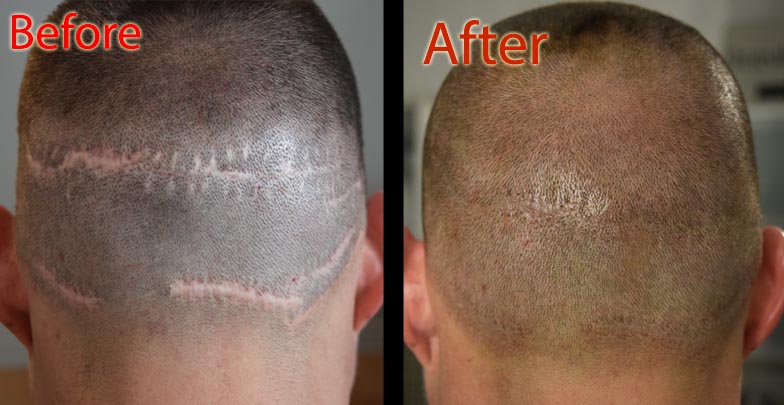
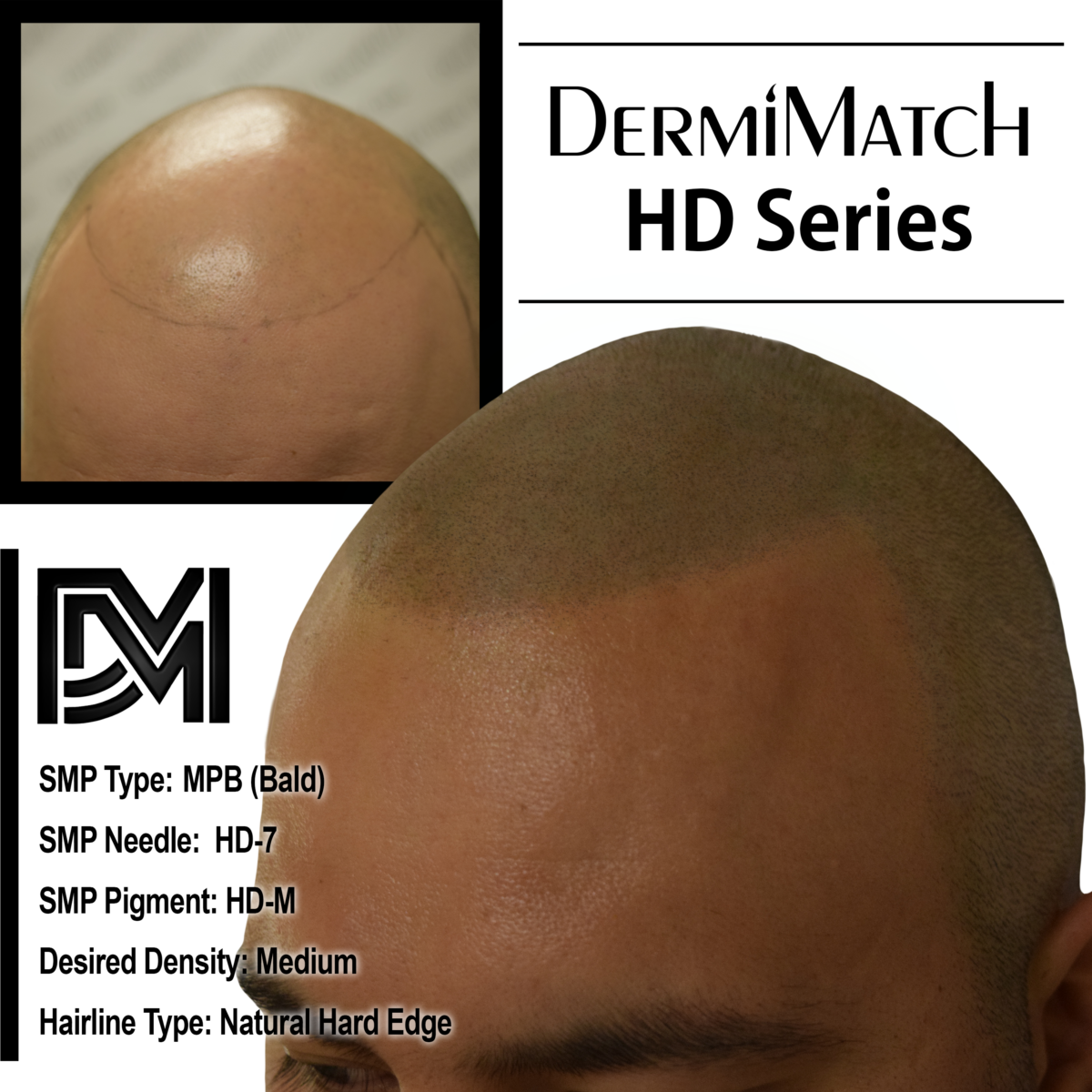
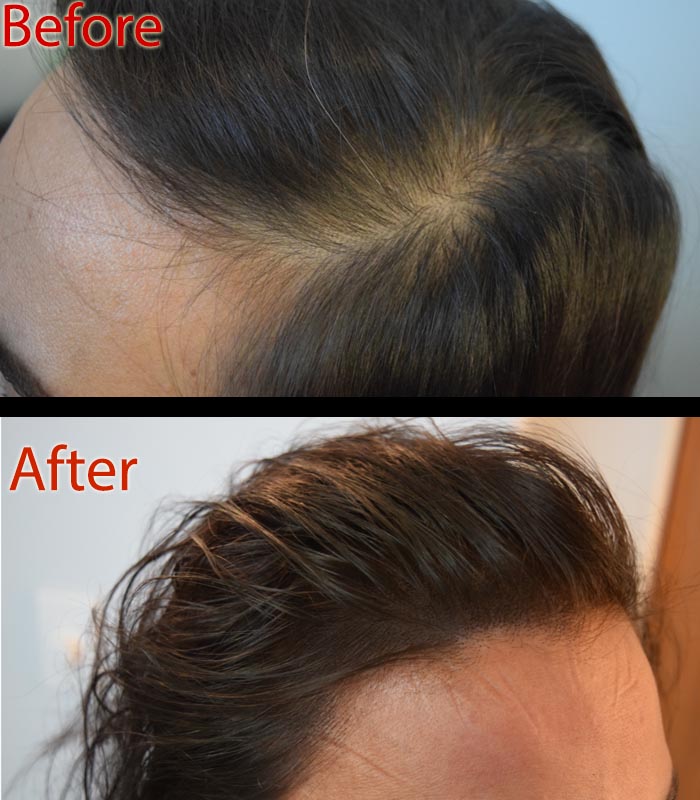
If oxygen therapy and other natural methods haven’t worked for you, scalp micropigmentation (SMP) offers a reliable alternative. SMP doesn’t regrow hair. Instead, it gives the appearance of a fuller scalp by applying tiny, natural-looking pigments.

It’s fast, permanent, and maintenance-free. It works for all stages of hair loss—men and women alike.

SMP is also non-surgical and less expensive than transplants. You don’t have to wait months to see results. And best of all, it helps restore your confidence almost instantly.

Getting SMP Done

The rise in SMP’s popularity has led to a flood of providers. Unfortunately, many of them are tattoo artists trying to offer SMP on the side. That’s a big red flag.

SMP is not just tattooing. It’s a specialized skill. It requires deep knowledge of the scalp, pigment behavior, and natural hairline design. A poorly done SMP can look fake, blotchy, or even turn blue over time.

That’s why it’s critical to work with a trained and certified SMP artist. Look at their portfolio. Read reviews. Ask how long they’ve been doing it. Don’t take chances with your scalp.

Oxygen scalp therapy can help maintain a healthy scalp. It’s a good addition to your hair care routine. But when natural methods and topical treatments fail, SMP might be the right step forward.

Finding the best Arizona scalp artist begins at DermiMatch Clinic. Their SMP practitioners in Arizona make a trusted team that has been helping clients overcome their hair loss woes with scalp micropigmentation.

Categories
scalp micropigmentation

Electromagnetic Field Therapy for Hair Loss

People wary of hair loss often search for electromagnetic field therapy for hair loss, trusting the procedure to improve scalp health and reduce hair thinning. But how effective is this non-invasive option? What does it do?

What Is Electromagnetic Field Therapy for Hair Loss?

This therapy uses low-frequency electromagnetic fields applied to the scalp. Devices, such as heated mats or wearable caps, emit pulsed EMF. These magnetic pulses stimulate biological activity around hair follicles by opening calcium ion channels and boosting circulation. The treatment aims to energize cells and support scalp function.

How Does It Work to Combat Hair Loss?

Studies have found that using low-frequency electromagnetic waves—specifically at 50 Hz—can wake up hair growth cells in your scalp.

In another study, people used a combination of electromagnetic therapy and light therapy for 24 weeks. By the end, their hair was noticeably thicker compared to people who didn’t get the treatment.

Is Electromagnetic Field Therapy for Hair Loss Safe?

Studies indicate PEMF has minimal side effects. Most report a gentle warming or mild tingling. People with electronic implants like pacemakers should avoid it.

The treatment is non-invasive and requires no downtime. So how long does it take to work?

Results vary, but consistent use typically shows improvement in 3–6 months. Combining EMF therapy with laser or serum treatments may speed outcomes.

What Are Its Limitations?

Electromagnetic field therapy can stimulate weak or dormant follicles. However, it cannot revive fully inactive or dead follicles. It’s not a cure for advanced baldness. Regular maintenance sessions are usually needed.

This treatment suits users with early or moderate thinning, or those experiencing poor scalp circulation. You can combine the treatment with PRP or laser. It’s ideal for people seeking a gentle, drug-free option.

But is it better than natural remedies?

Well, natural solutions like oils, masks, or supplements may help scalp conditions. But they do not always help reverse thinning. Those hoping for visible change in hairlines may find these methods insufficient.

Why Consider Scalp Micropigmentation?

If EMF therapy and natural attempts haven’t delivered visible density, scalp micropigmentation offers a cosmetic solution with immediate impact. SMP creates the illusion of a fuller scalp when the scalp artist skillfully places pigment dots. The best thing about scalp micropigmentation is that it works regardless of hair stage and requires minimal upkeep.

Is SMP a Better Option than EMF Therapy?

Electromagnetic field therapy for hair loss shows promise for some as a safe, non-invasive procedure. It may support early regrowth. But when natural remedies don’t restore visible density, scalp micropigmentation delivers immediate visual confidence.

However, you cannot trust every artist who claims to do scalp micropigmentation.

Many tattoo artists now claim to do SMP—but SMP is not tattooing. It requires precision, pigment expertise, and scalp anatomy knowledge. Avoid practitioners who see it as a side service. Only work with certified SMP experts with complete specialist portfolios and real client reviews.

Choosing the right path means choosing the right specialist. Don’t trust an untrained tattoo artist with your scalp. Invest in someone who focuses solely on SMP and understands how to deliver natural results.

Categories
scalp micropigmentation

Gut Bacteria and Hair Health: The Surprising Connection

Did you know that the health of your stomach might impact your hair? Scientists have found a surprising link between the good bacteria in your gut and hair growth. These helpful bacteria, called probiotics, do more than just help with digestion. They might also play a role in keeping your scalp healthy and preventing hair loss.

When the bacteria in your stomach get out of balance, it can cause inflammation throughout your body. This inflammation can reach your scalp and make it harder for hair to grow properly. That’s why some people who have stomach problems also notice their hair getting thinner.

Good Gut Bacteria and Hair Growth

Probiotics help by bringing balance back to your gut. When your stomach bacteria are healthy, there’s less inflammation in your body. This means better blood flow to your scalp and more nutrients reaching your hair roots. Some types of probiotics even make vitamins that your hair needs to stay strong.

These good bacteria also help your body take in nutrients better. Your hair needs iron, zinc, and protein as part of your hair diet plan to grow well. When your gut is healthy, your body can absorb these important nutrients easily. This leads to stronger hair and less hair falling out.

What Research Shows

Studies have found that people with hair loss often have different gut bacteria than people with healthy hair. Research shows that taking probiotics can reduce the inflammation that causes hair problems.

In one study, people who took certain probiotics for three months had thicker hair and less scalp irritation. The probiotics help by making special compounds that calm down the immune system and protect hair follicles.

Easy Ways to Get More Gut Bacteria and Hair Growth

You can get probiotics naturally by eating fermented foods. Yogurt, kefir, and pickled vegetables like sauerkraut contain live bacteria that help your gut and scalp. Foods like garlic, onions, yellow lentils, and bananas feed the good bacteria and help them grow.

Probiotic pills are another option if you want something more targeted. Look for ones that have many different types of bacteria and at least ten billion live cultures. You need to take them regularly for at least three months to see any hair benefits.

The Reality About Natural Solutions

While probiotics can help your scalp stay healthy, they work very slowly. Some people see better hair texture and less shedding after a few months. Others don’t notice much change at all. Your genes, hormones, and how much hair you’ve already lost all affect how well probiotics work for you.

Probiotics work best for preventing hair problems or as extra support alongside other treatments. They can’t bring back hair in areas where you’re already bald or where the hair follicles have stopped working completely.

When Natural Methods Don’t Work

For many people with obvious hair loss, probiotics and other natural treatments only help a little bit. When you can clearly see thin spots or when hair loss affects your confidence, you need something that works better and faster. This is when scalp micropigmentation becomes a real solution.

Scalp micropigmentation uses tiny dots of pigment to create the look of hair stubble on your scalp. Unlike treatments that take months to work, you can see results right away. The treatment lasts for years and gives you back the appearance of a full head of hair.

Picking the Right SMP Artist

Because scalp micropigmentation is becoming popular, many people who aren’t properly trained are trying to offer it. Regular tattoo artists often say they can do SMP, but this is a big mistake. Scalp micropigmentation needs special training, different equipment, and specific pigments that are nothing like regular tattoos.

Make sure you choose an artist who is specially trained in scalp micropigmentation in Arizona. Look at lots of examples of their work to see if the results look natural. Check that they know how to create realistic hairlines. Your scalp needs someone who understands how to make fake hair dots look real, not just someone who knows how to use a tattoo needle.

Skilled SMP practitioners in Arizona are available for a consultation at DermiMatch Clinic. Get help now to overcome hair loss woes with top Arizona SMP professionals.

Categories
scalp micropigmentation

How Social Media Filters Are Creating Hair Anxiety?

Social media filters have changed how we see ourselves and others. These digital tools can instantly give anyone thick, perfect hair with just a tap. While filters might seem harmless, they are creating unrealistic beauty standards that make people worry about their real hair, thus creating hair anxiety. Many users now feel anxious when they see their actual reflection without the digital enhancement.

The constant exposure to filtered images makes normal hair look thin or imperfect by comparison. People spend hours scrolling through others’ Instagram posts with seemingly flawless hair, not realizing these images are digitally altered. This creates a cycle where real hair never looks good enough compared to the impossible standards set by technology.

The Psychology Behind Filter-Induced Hair Anxiety

When you see filtered hair images every day, your brain starts to believe this is how hair should naturally look. This phenomenon is called digital dysmorphia, where you become dissatisfied with your real appearance after seeing too many enhanced images. Hair anxiety becomes worse when people compare their bald head to someone’s perfectly filtered locks on social media.

Young people are especially vulnerable to this problem. They grow up seeing filtered images as normal and may never develop a healthy relationship with their natural appearance. Adults are not immune either, as many report feeling worse about their hair after spending time on social media platforms.

Real Hair vs Digital Perfection

If you have been through hair loss, you have already experienced hair anxiety. Real hair has bad days, grows in different directions, and changes texture throughout the day.

Filters eliminate all these natural variations and create hair that defies physics. The filtered hair never moves wrong, never looks greasy, and always catches light perfectly. This sets an impossible standard that no real hair can match.

People often forget that even celebrities and influencers use filters. The images they post are not representative of how anyone looks in real life. Understanding this can help reduce some of the pressure to achieve impossible hair goals.

When Hair Anxiety Becomes Overwhelming

Sometimes hair anxiety goes beyond what natural care and mindset changes can fix. If your hair concerns are affecting your daily life, work, or relationships, it might be time to consider practical solutions. Hair loss or thinning can be real problems that no amount of positive thinking can solve.

Many people find that addressing their hair concerns directly helps reduce anxiety more than trying to accept thinning hair.

This is where scalp micropigmentation offers a permanent solution that creates the appearance of thick, full hair without the daily stress of styling or worrying about thin spots. You wear a perfect look every single day. Wow! That sounds so good!

Finding the Right SMP Professional

If you decide scalp micropigmentation is right for you, choosing the correct artist is crucial. The popularity of SMP has attracted many unqualified practitioners, including tattoo artists who claim they can perform this specialized procedure. Regular tattooing and scalp micropigmentation require completely different skills, equipment, and pigments.

Look for artists specifically trained in scalp micropigmentation with proper certification and extensive portfolios. Check their work carefully for natural-looking results and realistic hairlines. Your scalp deserves an expert who understands the unique challenges of creating convincing hair simulation, not someone who simply knows how to use a tattoo machine.

Your search for the right Arizona SMP professional ends at DermiMatch Clinic. They have the best scalp artists in Arizona and can help you find the best solution to your hair loss problems and hair anxiety triggered by social media.

Schedule a consultation now!

Categories
scalp micropigmentation

Kitchen Hair Remedies for Common Hair Problems

Hair issues affect millions of people worldwide. Dryness, breakage, excessive oiliness, and thinning strands create frustration for those seeking healthier locks. Many individuals are moving away from chemical-laden commercial products and exploring natural alternatives found right in their kitchens. These kitchen hair remedies offer gentle care without harsh additives or expensive price tags.

Kitchen Hair Remedies

Moisture-Rich Coconut Oil and Honey Treatment

Coconut oil penetrates deep into hair strands while honey acts as a natural humectant. This powerful combination works for parched and damaged hair.

Blend equal amounts of melted coconut oil with raw honey. Work the mixture through clean hair from scalp to tips. Allow the treatment to remain for twenty minutes before washing thoroughly with shampoo. Regular use helps eliminate frizz and restores natural shine.

Protein-Packed Banana and Yogurt Mask

Bananas contain essential vitamins and potassium that smooth rough cuticles. Plain yogurt delivers proteins and natural acids that cleanse while strengthening hair structure. Mash one ripe banana until smooth and combine with half a cup of unsweetened yogurt. Apply to slightly damp hair and cover with a shower cap. Wait thirty minutes before rinsing with normal water. This is one of the kitchen hair remedies that reduces tangles and improves overall texture.

Soothing Aloe Vera and Olive Oil Blend

Irritated scalps benefit greatly from aloe vera’s anti-inflammatory compounds. Olive oil provides deep moisturization and creates a protective barrier against environmental damage. Extract fresh gel from an aloe leaf and mix with two tablespoons of extra virgin olive oil. Massage gently into the scalp using circular motions. Leave for thirty minutes, then shampoo as usual. This remedy calms itchiness and reduces flaking.

Egg and Castor Oil Formula

Eggs supply high-quality proteins that fortify weak hair follicles. Castor oil improves blood circulation to the scalp area and may encourage new growth. Beat one whole egg and incorporate one tablespoon of castor oil. Focus the application on the root area and scalp. Cover with plastic wrap for twenty-five minutes then rinse with lukewarm water. This treatment helps minimize hair fall and strengthens existing strands.

Balancing Green Tea and Lemon Rinse

Oily scalps respond well to green tea’s antioxidant properties and lemon’s pH-balancing effects. Brew strong green tea and let it cool completely. Add fresh lemon juice and pour over freshly washed hair. Massage into the scalp and wait five minutes before final rinsing. This natural rinse removes excess oil and product buildup while leaving hair refreshed.

When Kitchen Hair Remedies Do not Work

While kitchen remedies provide temporary relief for minor hair concerns, they cannot address serious hair loss conditions. Pattern baldness, significant thinning, and receding hairlines require more advanced solutions. No kitchen home remedies can regenerate hair where follicles have become inactive. Many people spend months trying natural treatments without seeing meaningful improvement in areas of actual hair loss.

Professional Scalp Micropigmentation as an Effective Alternative

Scalp micropigmentation offers immediate results for those experiencing genuine hair loss challenges. This specialized technique uses carefully placed pigment deposits to create the appearance of fuller hair density. Unlike natural remedies that depend on existing hair growth, SMP provides instant visual improvement for bald patches and thinning areas.

Choosing qualified SMP practitioners remains crucial for optimal outcomes. Many tattoo artists now claim to offer scalp micropigmentation services, but this field requires specific training in hairline design and scalp anatomy. Poorly executed SMP can result in unnatural appearance and permanent damage. Research practitioners thoroughly, examine their portfolio, and verify their specialized training before making decisions.

Get in touch with top Arizona SMP practitioners at DermiMatch Clinic and schedule your consultation.

Categories
scalp micropigmentation

Why Scalp Exfoliation Is Gaining Attention?

More people are realizing that healthy hair starts with a healthy scalp. Just like your skin needs cleansing and exfoliation, your scalp also needs regular care to stay clean and balanced. With pollution, sweat, product buildup, and natural oils collecting over time, scalp exfoliation is becoming a popular way to refresh hair health from the roots.

Scalp Exfoliation: Physical vs. Chemical Exfoliation

Physical exfoliation uses tiny granules or brushes to remove dead skin cells and debris manually. These are often found in scrubs made with salt, sugar, or charcoal. Chemical exfoliation, on the other hand, uses ingredients like salicylic acid or glycolic acid to dissolve buildup without the need for scrubbing.

Trending Ingredients in Scalp Scrubs

Natural ingredients are leading the way in scalp exfoliation trends. Tea tree oil is popular for its antibacterial properties. Apple cider vinegar is known to balance pH and reduce dandruff. Activated charcoal helps draw out impurities. Aloe vera adds soothing hydration.

DIY scrubs made from oatmeal or coffee grounds are also trending for those who prefer natural alternatives. However, not all homemade remedies suit every scalp, and overuse can cause irritation.

Exfoliation Tools

Along with scrubs, scalp exfoliation brushes are becoming a big hit. These handheld tools come with soft silicone bristles that gently massage the scalp.

They improve circulation and help products penetrate deeper. Massage combs and vibrating brushes are also entering the market as people look for spa-like scalp care at home. These tools make exfoliation easier, especially for people with thick or curly hair.

Benefits People Are Chasing

Exfoliating the scalp offers multiple benefits. It removes dead skin cells, helps control dandruff, unclogs hair follicles, and reduces excess oil. Regular exfoliation can also promote better hair growth by allowing the follicles to breathe and absorb nutrients more effectively.

People with itchy, flaky scalps or slow-growing hair often notice improvement when they include gentle exfoliation in their routine.

How Often Should You Exfoliate?

Overdoing scalp exfoliation can do more harm than good. Experts suggest once a week for most people. Those with sensitive or dry scalps should exfoliate less frequently. If you’re using chemical exfoliants, always follow directions and avoid mixing multiple active ingredients. Gentle application and a proper rinse are key to preventing irritation or damage to hair strands.

When Scalp Exfoliation Isn’t Enough

Despite all the trends, scalp exfoliation has its limits. It may improve hair texture, reduce flakes, or even support better growth in some cases. But it doesn’t reverse baldness or fix receding hairlines. People struggling with long-term hair thinning or visible scalp patches often see little to no results from natural remedies or scrubs. That’s where professional solutions come into play.

Why Scalp Micropigmentation Is Worth Considering?

When scalp health routines like exfoliation, masks, and oils stop showing results, scalp micropigmentation offers a reliable, lasting option. SMP creates the look of a fuller head of hair by adding natural pigment to the scalp. It works for thinning crowns, hairline restoration, and overall density. Unlike exfoliation, which may offer surface-level results, SMP delivers immediate visual improvement without relying on regrowth.

But not all providers are equal. Many tattoo artists now claim to offer SMP, but true scalp micropigmentation requires skill, precision, and experience with hair patterns and pigment depth. Always choose a certified Arizona SMP expert who specializes in the technique, not just someone with a machine. A poorly done SMP session can result in uneven dots, discoloration, and visible regret.

So, while scalp exfoliation is a great trend for overall care, real transformation for hair loss comes from knowing when to go beyond home remedies. Choose the right SMP artist in Arizona to bring confidence back.

DermiMatch Clinic scalp experts are happy to help. Schedule a consultation session now.

Categories
scalp micropigmentation

Hair Growth Injections Beyond PRP

Hair loss treatments have evolved significantly beyond traditional methods like platelet-rich plasma therapy. Medical professionals now offer sophisticated hair growth injections that target hair follicles with precision. These advanced treatments provide new hope for individuals struggling with thinning hair and pattern baldness.

Understanding these innovative options helps patients make informed decisions about their hair restoration journey.

Stem Cell Hair Growth Injections

Stem cell injections represent cutting-edge technology in hair restoration medicine. These treatments use adipose-derived stem cells harvested from the patient’s own fat tissue. The regenerative cells possess ability to differentiate into various cell types. Medical practitioners inject concentrated stem cells directly into areas of hair loss.

The treatment stimulates dormant hair follicles while creating new vascular networks in the scalp. Enhanced blood supply delivers essential nutrients to weakened hair roots. Patients typically see initial results within three to four months after treatment. The regenerative process continues for up to twelve months following injection therapy.

Exosome Therapy for Hair Growth

Exosome treatments utilize microscopic vesicles containing growth factors and signaling molecules. These powerful cellular messengers communicate with hair follicles to trigger regenerative processes. Unlike PRP therapy, exosomes provide concentrated bioactive compounds without requiring blood from patients.

The injection process delivers millions of exosomes directly to follicle stem cells. These molecular signals activate dormant follicles and extend the growth phase of existing hair. Clinical studies show significant improvement in hair density and thickness after exosome treatments. The therapy works particularly well for early-stage androgenetic alopecia.

Growth Factor Cocktail Injections

Specialized growth factor formulations combine multiple proteins essential for hair follicle health. Each component targets specific aspects of the hair growth cycle.

Medical practitioners customize growth factor combinations based on individual patient needs. The injections stimulate angiogenesis, creating new blood vessels around hair follicles. Improved circulation enhances nutrient delivery while removing metabolic waste products. Treatment protocols typically involve monthly injection sessions over four to six months.

Peptide-Based Hair Restoration

Copper peptides and other bioactive peptides show remarkable potential for hair regrowth. These small protein fragments signal hair follicles to enter active growth phases. Peptide hair growth injections work at the cellular level to repair damaged follicular structures.

The treatment increases collagen production in the scalp while strengthening hair shaft formation. Patients experience improved hair texture and reduced hair fall within weeks of starting therapy. Peptide injections complement other hair restoration treatments effectively.

Micro-needling with Growth Serums

Advanced micro-needling combines controlled skin injury with targeted serum delivery. Specialized devices create microscopic channels in the scalp surface. These channels allow direct penetration of growth factors and nutrients into skin layers.

The mechanical stimulation from micro-needling activates wound healing responses. This process releases natural growth factors while improving absorption of applied serums. Regular treatments show cumulative benefits for hair density and scalp health.

Safety and Effectiveness Considerations

Hair growth injections require careful evaluation of patient candidacy and medical history. Licensed practitioners should perform all injection procedures using sterile techniques. Side effects remain minimal when treatments follow proper protocols and dosing guidelines.

Results vary significantly between individuals based on age, genetics, and hair loss severity. Multiple treatment sessions produce optimal outcomes compared to single hair growth injection therapy. Patients must maintain realistic expectations about timeline and final results.

When Advanced Treatments Reach Their Limits

Despite remarkable advances in injection-based hair restoration, these treatments cannot guarantee success for every patient. Genetic factors, advanced hair loss patterns, and individual response variations influence treatment outcomes. Some individuals experience minimal improvement despite receiving multiple injection therapies.

When innovative medical treatments fail to deliver satisfactory results, you need alternative solutions that provide certainty. Scalp micropigmentation offers guaranteed visual improvement regardless of existing hair loss severity or treatment history.

This advanced cosmetic technique creates the appearance of natural hair follicles through precise pigment application, delivering immediate results. Unlike treatments requiring months of uncertainty, scalp micropigmentation provides predictable outcomes with permanent visual hair density restoration.

But it is crucial to get your treatment done from Arizona SMP experts. You will find the best scalp artists in Arizona at DermiMatch Clinic.

Categories
scalp micropigmentation

Castor Oil for Hair Growth: Science vs. Hype

Castor oil for hair growth has surged in popularity as a natural hair growth remedy, with Google searches increasing 22% in the past year. However, the scientific evidence supporting castor oil’s effectiveness for hair growth is surprisingly limited.

 The Scientific Reality Behind Castor Oil for Hair Growth

Current research reveals a significant gap between popular claims and clinical evidence. No controlled human studies have demonstrated castor oil’s ability to stimulate hair growth, according to a 2022 systematic review in the Journal of Drugs in Dermatology.

The review analyzed over 1,000 patients across multiple studies and found only weaker evidence in support of castor oil in improving hair luster. The analysis did not confirm any hair growth connection either.

The proven benefits focus on scalp health rather than growth stimulation. Castor oil’s anti-inflammatory properties may reduce scalp irritation, while its moisturizing effects can improve hair texture and reduce breakage. Realistic expectations should center on scalp conditioning and hair quality rather than dramatic growth increase.

More Promising Natural Alternatives

Current expert opinion strongly favors rosemary oil over castor oil for hair growth.

The evidence hierarchy places rosemary oil in Tier 1 of natural treatments, while castor oil ranks lower. However, rosemary also does not work for everyone and all types of hair loss or scalp conditions.

So when natural remedies, such as castor oil for hair growth, aren’t enough, scalp micropigmentation offers hope.

For individuals with extensive hair loss where natural remedies prove insufficient, scalp micropigmentation (SMP) is a proven alternative. This non-surgical procedure uses specialized micro-needles to deposit pigment into the scalp, creating the illusion of hair follicles through a buzz-cut appearance.

SMP shows high success rates with patient satisfaction exceeding 80% when performed by qualified practitioners. The procedure works particularly well for male pattern baldness, scars, receding hairlines, and cases where hair regrowth is unlikely.

Experts recommend seeking a professional evaluation for persistent hair loss rather than relying solely on popular remedies. The most effective approach often combines evidence-based treatments based on individual hair loss type and severity.

While castor oil for hair growth may provide scalp conditioning benefits, those experiencing significant hair loss should look for the best Arizona SMP practitioners who have skills and expertise in scalp micropigmentation.

Get Professional Help

Remember, SMP is not a traditional tattoo. Thus, finding a skilled practitioner is paramount, not merely a tattoo artist. A conventional tattoo artist lacks the specific training, equipment, pigments, and artistic understanding required for SMP. Scalp micropigmentation is a specialized technique that involves meticulous layering of tiny pigment deposits into the epidermal layer of the scalp. The goal is to mimic hair follicles with precision in size, angle, and density. This requires knowledge of hair growth patterns, scalp anatomy, and color theory specific to skin tones and hair shades to ensure a natural, undetectable result.

A true SMP practitioner like those at DermiMatch Clinic, has a dedicated portfolio of scalp work, demonstrates rigorous hygiene protocols, and offers detailed consultations to assess your unique needs and realistic outcomes, setting them apart from general tattooists.

Schedule your consultation now.

Categories
scalp micropigmentation

 Is Scalp Ice Therapy A Good Idea?

Scalp ice therapy uses controlled cold temperatures to improve scalp circulation and health. This simple treatment involves applying ice to trigger natural responses in your scalp. The cold stimulates blood vessels and may create better conditions for existing hair.

When ice touches your scalp, blood vessels immediately constrict. Once you remove the ice, vessels expand rapidly to restore normal blood flow. This process brings fresh oxygen and nutrients directly to hair follicles.

How Scalp Ice Therapy Benefits You?

The expansion phase after ice removal increases circulation significantly. Enhanced blood flow delivers essential nutrients to hair roots and removes waste products. This improved circulation may strengthen existing hair and reduce scalp inflammation.

Ice therapy can also decrease excessive oil production and scalp itchiness. Many users report reduced irritation after regular treatments. The cooling effect temporarily soothes minor scalp conditions like dandruff or buildup.

Research shows cold exposure at 32°F provides optimal therapeutic benefits. Ice cubes wrapped in cloth offer the ideal temperature for safe treatment.

Apply wrapped ice to one scalp section for 60 to 90 seconds maximum. Move systematically across your entire scalp area. Focus extra attention on areas where you notice thinning or irritation.

Limit sessions to once every two to three days. Your scalp needs recovery time between treatments. More frequent application can damage delicate skin tissues.

Important Safety Guidelines

People with diabetes should avoid scalp ice therapy completely. Diabetes affects circulation and nerve sensitivity, making cold injury more likely. Those with circulation disorders face similar risks.

Children under 12 should not use ice therapy. Their skin is more sensitive to temperature extremes. Elderly individuals need extra caution due to age-related circulation changes.

Stop treatment immediately if you experience prolonged numbness, excessive redness, or skin color changes. These symptoms indicate potential tissue damage requiring medical attention.

Never use ice on broken skin, cuts, or active scalp infections. The extreme cold can worsen these conditions and delay healing.

Realistic Expectations and Results

Most people notice scalp comfort improvements within two weeks of regular ice therapy. Hair-related benefits may take six to eight weeks to become apparent. Results vary significantly between individuals.

Ice therapy works best for scalp maintenance rather than dramatic hair restoration. Some people experience reduced hair shedding during treatment periods. Existing hair may appear healthier and feel stronger.

Set realistic expectations about what cold therapy can achieve.

When Natural Methods Aren’t Enough

Scalp ice therapy cannot reverse genetic hair loss patterns. Male and female pattern baldness involves hormone-driven follicle shrinkage. Cold treatment alone cannot restore miniaturized or dormant follicles.

Autoimmune conditions like alopecia areata require medical intervention. Post-surgical hair loss often involves permanent follicle damage. Natural remedies cannot regenerate severely damaged follicles.

Consider discontinuing treatments that provide minimal benefits after three months of consistent application. Evaluate your time investment versus actual results achieved.

Advanced Solutions for Persistent Hair Loss

When ice therapy and other natural approaches fail to provide satisfaction, professional alternatives become necessary. Dermatologists offer prescription treatments for various hair loss conditions. Hair transplant surgery and laser therapy represent other medical options.

However, these treatments often require ongoing maintenance, significant investment, and varying success rates. Many people seek more predictable solutions for their hair loss concerns.

Why Consider Scalp Micropigmentation?

Scalp micropigmentation offers permanent visual improvement when natural methods prove insufficient. This cosmetic procedure uses specialized tattooing techniques to create a realistic hair appearance without requiring existing follicles.

Unlike temporary solutions needing ongoing maintenance, scalp micropigmentation provides immediate and lasting results. The treatment works regardless of hair quantity or follicle condition.

Skilled practitioners can match natural hair color and create convincing density illusions. The procedure suits people with partial thinning or complete hair loss equally well. Recovery time is minimal compared to surgical restoration options.

Most people return to normal activities within days of completing micropigmentation sessions. Results look natural and require no special maintenance routines.

Making the Right Choice

Scalp ice therapy represents a safe starting point for addressing scalp concerns naturally. This low-cost approach may provide modest benefits for some individuals. However, significant hair loss requires more comprehensive solutions like SMP.

Professional consultations help determine appropriate approaches for your specific situation. Combining realistic natural care with advanced cosmetic procedures often produces the most satisfying long-term outcomes.

When ice therapy cools your scalp but doesn’t restore your confidence, scalp micropigmentation creates the bold, natural-looking results that make a real difference in your appearance and self-esteem. However, choosing the right practitioner becomes critical for achieving these transformative results.

The growing popularity of scalp micropigmentation has attracted many unqualified providers to this specialized field. Traditional tattoo artists often claim they can perform SMP simply because both involve needles and pigments. This assumption creates serious risks for unsuspecting clients seeking professional hair loss solutions.

Scalp micropigmentation requires completely different techniques from traditional tattooing. The needle depth, pigment formulation, dot placement patterns, and color matching expertise differ dramatically from conventional tattoo work. Regular tattoo artists lack the specialized training needed to create realistic hair follicle appearances.

Poorly executed SMP procedures result in unnatural colors, wrong dot sizes, improper hairline designs, and pigment changes over time. These mistakes often require expensive laser removal treatments before corrective work can begin. Some botched procedures leave permanent scarring that makes future SMP impossible.

Find a trusted scalp artist in Arizona at DermiMatch Clinic. The best Arizona SMP technicians are available for consultation here.

Categories
scalp micropigmentation

Topical Caffeine Hair Treatments

Caffeine hair treatment offers potential benefits when applied directly to your scalp. This stimulating compound may help block DHT, the hormone responsible for pattern hair loss. Research suggests caffeine can extend the hair growth phase and increase follicle activity.

Topical caffeine works differently from drinking coffee. Applied directly to the scalp, it penetrates hair follicles more effectively. The concentration reaches therapeutic levels without systemic side effects like jitters or sleep disruption.

Studies show caffeine may counteract testosterone effects on hair follicles. It blocks receptors that normally cause follicle shrinkage. This protective action could slow hair loss progression in some individuals.

How Caffeine Stimulates Hair Follicles?

Caffeine increases blood circulation when applied to the scalp. Enhanced blood flow delivers more nutrients and oxygen to hair roots. This improved circulation creates better conditions for existing hair growth.

The compound also extends the anagen phase, the active growing period of hair cycles. Longer growth phases mean individual hairs stay attached longer before shedding. This can result in improved hair density over time.

Caffeine may strengthen hair shaft structure by improving protein synthesis. Stronger individual hairs break less frequently and appear fuller. The stimulating effects can make existing hair look healthier and more voluminous.

Popular Caffeine Treatment Methods

Many hair care products now contain caffeine as an active ingredient. Specialized shampoos offer the easiest application method for daily use. These formulations typically contain 1-2% caffeine concentration for optimal absorption.

Hair tonics and serums provide more concentrated caffeine delivery systems. These products require direct scalp application and gentle massaging.

Some people create homemade caffeine hair treatments using strong coffee or green tea. These DIY approaches provide inconsistent caffeine concentrations. Commercial products offer more reliable dosing and better penetration enhancers.

Leave-in treatments allow longer contact time between caffeine and follicles. These products don’t require rinsing, maximizing absorption potential. However, they may leave residue or affect hair texture in some users.

 Scientific Evidence and Research Results

German studies demonstrate caffeine’s ability to stimulate hair follicles in laboratory conditions. Test subjects showed increased hair shaft elongation after caffeine application. However, these studies used concentrated solutions under controlled conditions.

Real-world results often fall short of laboratory findings. Many users report modest improvements in hair texture and reduced shedding. Complete hair regrowth remains rare with caffeine treatments alone.

The research shows caffeine works best for early-stage hair loss. Once follicles become severely miniaturized, topical treatments provide limited benefits. Advanced pattern baldness typically requires more intensive interventions.

Caffeine treatments work slowly and require consistent, long-term use. Most people need three to six months of regular application before noticing changes.

The treatment helps maintain existing hair better than regrowing lost strands. People with mild thinning may see the best outcomes. Complete baldness or extensive hair loss rarely improves with caffeine alone.

Individual responses vary significantly based on genetics, age, and hair loss severity. Some users experience noticeable benefits while others see no improvement. Discontinuing treatment typically results in a gradual return to previous hair loss patterns.

Limitations of Topical Caffeine Solutions

Caffeine cannot reverse severe follicle damage or dormant follicles. Once follicles stop producing hair completely, topical treatments become ineffective. Hormonal hair loss often progresses despite caffeine intervention.

The treatment requires ongoing daily application for maintenance. Missing applications can reduce effectiveness quickly. The time commitment and consistency demands discourage many users from continuing long-term.

Side effects may include scalp irritation, redness, or sensitivity reactions. People with caffeine allergies should avoid these treatments completely. Sensitive skin types often cannot tolerate concentrated caffeine formulations.

Natural remedies work best for prevention rather than restoration.

Genetic pattern baldness typically overwhelms topical treatment. Male and female pattern hair loss involves complex hormonal processes that require comprehensive medical management. Simple topical applications cannot address these underlying mechanisms.

The emotional impact of continued hair loss often outweighs modest improvements from natural treatments. Many individuals seek more reliable, permanent solutions after exhausting conservative approaches.

Scalp Micropigmentation as a Superior Alternative

SMP provides immediate, guaranteed results regardless of hair loss severity. This specialized procedure creates a realistic hair appearance through precise pigment placement. Unlike topical treatments, SMP works for everyone regardless of age, genetics, or follicle condition.

The procedure delivers permanent results without ongoing maintenance requirements.

SMP works equally well for complete baldness, pattern thinning, or specific problem areas. The technique adapts to any hair loss pattern or skin tone. Results look natural and undetectable when performed correctly.

Unlike caffeine treatments that may help some people, scalp micropigmentation guarantees visual improvement for every client. Arizona SMP experts focus on eliminating uncertainty.

Scalp micropigmentation requires completely different techniques from conventional tattooing. The needle depth, pigment selection, dot placement patterns, and color matching demand extensive specialized education. Poorly executed procedures result in unnatural colors, wrong dot sizes, or obvious artificial appearance. These mistakes often require expensive laser removal before corrective treatment becomes possible. Some botched work leaves permanent scarring that prevents future SMP procedures.

Avoid practitioners who primarily advertise tattoo services but offer SMP as additional income. Choose specialists who focus exclusively on scalp micropigmentation and understand the unique challenges of this procedure. Trust DermiMatch Clinic scalp micropigmentation Arizona experts.