
CALL TODAY! 480-788-2432
CALL TODAY! Service: 480-788-2432 | Products: 833-436-4247
Categories
scalp micropigmentation

Why SMP Is the Smart Backup When Laser Therapy Stops Working?

You research your options carefully. Months of consistent laser sessions follow. Then the mirror reveals the hard truth —hair thinning continues unchanged. That’s when you decide to undergo laser therapy, searching for the best hair loss treatment every single day. But although it helps some people, many others find no benefit at all. Your situation looks alike.

What Laser Therapy Actually Does?

Low-level laser hair therapy sends targeted light energy directly into the scalp. Follicle cells absorb that energy and stay in the active growth phase longer. Studies confirm LLLT can increase hair density by 15 to 40 hairs per square cm over six months in people with mild to moderate thinning. Notice the fine print, though — mild to moderate.

Once follicles miniaturize past a certain threshold, laser light finds nothing left to stimulate. Supporting active follicles is one thing. Rebuilding closed ones is something laser therapy cannot resolve.

Why So Many People Hit a Plateau?

Early results often feel promising. Progress then slows down and eventually stops. Androgenic alopecia — the most common driver of pattern hair loss — shrinks follicles progressively through DHT exposure.

Fewer active follicles remain available for laser light to reach over time. Stopping treatment reverses any gains rapidly. Many people end up locked into ongoing sessions only to hold their ground, with no realistic path toward visible density improvement.

Does Laser Therapy Work for Everyone?

No, it does not.

Research shows that outcomes may vary based on hair loss stage, genetics, skin type, and device quality. Women with early-stage androgenic alopecia respond better than men with advanced recession.

People with completely inactive follicle zones see little measurable benefit. Additionally, many laser devices carry FDA clearance without rigorous independent testing, making product selection genuinely confusing.

When Even the Best Hair Loss Treatment Stops Being Enough

Most people add serums, PRP injections, or oral supplements when laser therapy plateaus. These combinations support scalp health and sometimes slow further shedding. However, none restore visible density where follicles have already shut down. The gap between scalp and hair stays visible. Confidence keeps taking a hit. This is precisely the moment scalp micropigmentation changes the entire conversation.

Why SMP Fills the Gap Other Treatments Leave?

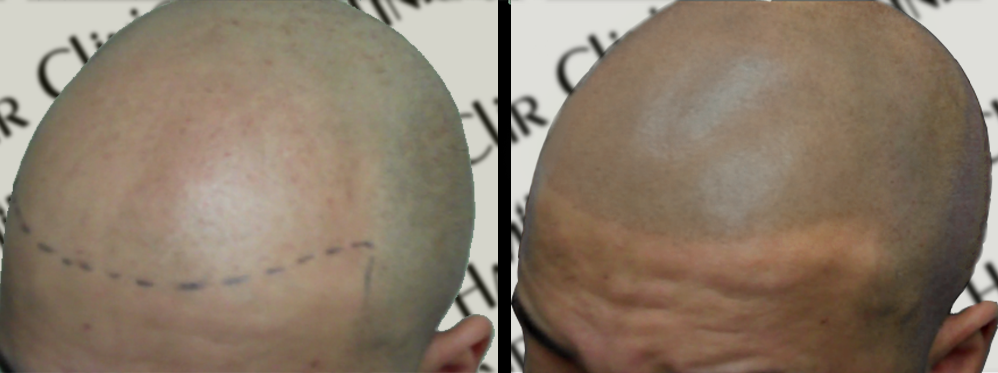
Scalp micropigmentation does not compete with laser therapy or serums — it completes what they cannot finish. SMP places precise, ultra-fine pigment impressions across the scalp, replicating the natural appearance of dense, closely shaved follicles.

Follicle activity, DHT levels, and hair loss progression become irrelevant. Results appear after the first session rather than after months of uncertain waiting. The hairline looks defined. The crown looks fuller. For anyone who has exhausted conventional treatments and still wants a reliable outcome, SMP delivers consistently.

One Critical Warning Before You Book Anyone

Results depend entirely on the Arizona SMP practitioner’s specialization. Tattoo artists now advertise SMP services after minimal training, capitalizing on the growing demand without mastering the craft.

Tattooing and scalp micropigmentation differ fundamentally in needle depth, pigment chemistry, and follicle replication technique. Tattoo ink spreads and blurs beneath the skin over time, leaving dots that look oversized and artificial.

Correcting that damage costs far more than choosing the right expert initially. Before booking anyone, verify that SMP is their primary discipline — not a side addition to a tattoo menu. Study real client portfolios showing pattern hair loss cases specifically. Ask directly about SMP certification and dedicated training. Your final result depends far less on the procedure itself and far more on the hands performing it.

Choose the best hands and experience in scalp micropigmentation in Arizona at DermiMatch Clinic.
Categories
scalp micropigmentation

Are Testosterone and Hair Loss Connected?

You train hard. You eat clean and track every macro. Supplements sit lined up on your kitchen counter like a daily ritual. Then one morning, the mirror tells a different story. The hairline has shifted back. The crown looks thinner. If testosterone boosters and hair loss brought you here, keep reading — because this topic carries more depth than most fitness blogs ever explore.

Is There A Connection Between Testosterone and Hair Loss?

Most people assume testosterone is the direct villain. That assumption is only half right. Testosterone itself does not attack your hair follicles. The real damage starts one step further down the hormonal chain.

Your body converts a portion of testosterone into a far more aggressive compound called DHT — dihydrotestosterone. DHT binds to receptors inside hair follicles and begins to shrink them progressively in a process called miniaturization. Each regrowth cycle produces a shorter, finer strand than the last. Eventually, the follicle closes entirely. Genetics determines how sensitive your follicles are to DHT, and no supplement changes that sensitivity.

Why Do Testosterone Boosters Speed Things Up?

Think of it as a supply problem. More testosterone means your body has more raw material to convert into DHT. If your follicles already carry genetic sensitivity, that extra conversion accelerates thinning dramatically. Research finds that self-reported hair loss jumped from around 2% at the start of a cycle to nearly 12% by the final weeks.

Most gym-goers miss this connection entirely. They blame stress, protein powder, or even their shampoo. Meanwhile, DHT continues to shrink follicles quietly in the background.

Does Overtraining Accelerate Balding Too?

Yes. Overtraining pushes cortisol levels chronically high. Elevated cortisol disrupts the hair growth cycle by forcing follicles into a premature resting phase, a condition known as telogen effluvium.

High cortisol and elevated DHT from heavy supplementation put follicles under two separate attacks at once. Add to it nutritional stress of an aggressive cutting phase — low protein, depleted iron, minimal zinc — and the conditions actively work against hair retention at every level.

Why Standard Treatments Fall Short for Active Men?

Finasteride blocks DHT conversion effectively. However, it also interferes with the hormonal environment that supports muscle growth and athletic performance.

Many active men quit using it within months. Minoxidil demands daily commitment and performs inconsistently once follicles miniaturize past a certain point. Scalp serums hydrate the skin and reduce breakage, yet they cannot rebuild follicles that DHT has already shut down.

The man who trains hardest and supplements most aggressively often lands in a frustrating position — stuck between treatments he cannot tolerate and remedies that simply stop working.

Why Scalp Micropigmentation?

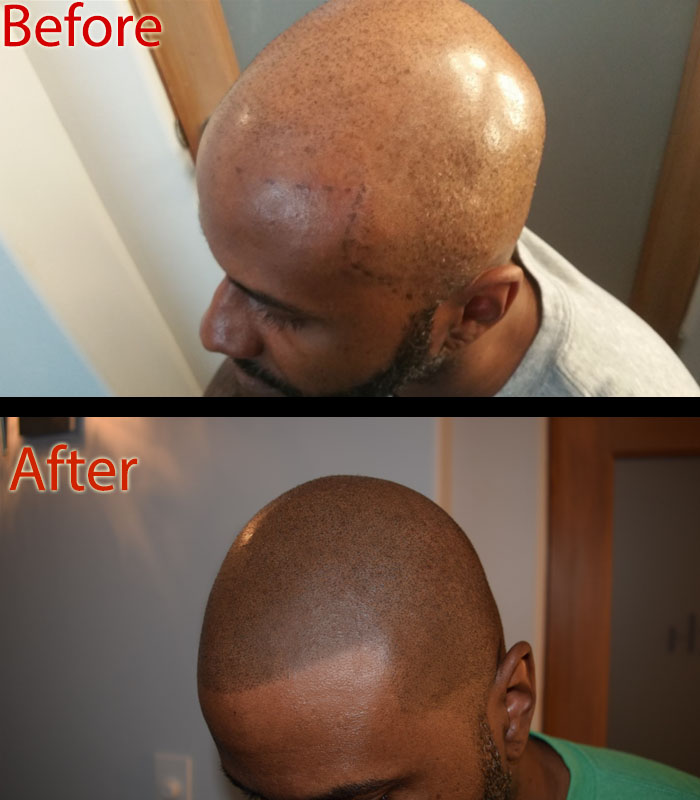
Scalp micropigmentation steps outside the regrowth debate entirely. SMP places precise pigment deposits across the scalp, replicating the natural appearance of a dense, closely shaved head. It does not rely on follicle recovery or hormone balance.

It works on receding hairlines, thinning crowns, and complete baldness with equal effectiveness. Results appear after the very first session rather than after twelve months of uncertainty. For men who want sharp, consistent results without daily treatment routines, SMP offers exactly that.

SMP’s growing popularity has created a serious problem in the market. Tattoo artists now advertise scalp micropigmentation without genuine specialist training. This distinction matters enormously. Tattooing and SMP use different needle depths, different pigment chemistry, and entirely different dot techniques.

Tattoo ink spreads and blurs under the skin over time, producing dots that look oversized, blotchy, or artificial. Correcting that kind of mistake costs more than getting it right the first time. Imagine getting SMP done by a tattoo artist and then ending up with a botched procedure! Not worth it!

Before booking an Arizona SMP artist, verify that scalp micropigmentation is their primary discipline — not a weekend add-on to a tattoo menu. Study real client portfolios focused on male pattern baldness cases. Ask specifically about SMP certification and training. Your results depend entirely on the skill behind the needle, and in a market crowded with undertrained providers, that choice makes all the difference.

Get the best Arizona scalp micropigmentation treatment at DermiMatch Clinic.