CALL TODAY! 480-788-2432
CALL TODAY! Service: 480-788-2432 | Products: 833-436-4247
Categories
scalp micropigmentation

SMP in Fitness World: Best Hair Shedding Treatment for Men Who Train Hard

The fitness industry runs on image. A sharp physique signals discipline, but thinning hair quietly undermines all of that effort. Millions of men search for the best hair shedding treatment every year, yet most options leave them frustrated, waiting, or out of pocket. Scalp micropigmentation — known as SMP — tells a very different story. Fitness influencers and bodybuilders worldwide now choose it over every other alternative. Here is why that shift is happening fast.

Hair Shedding Hits Differently When You Live on Camera

Hair loss does not discriminate. Androgenetic alopecia — the most common form of male pattern baldness — often accelerates in men with higher testosterone and DHT levels, which includes many dedicated lifters. So ironically, the very hormonal environment that builds muscle can also thin the hairline. Yes, that’s the sad reality!

Many fitness professionals ask whether any hair shedding treatment actually works permanently. Most treatments address the biology but not the appearance. SMP takes a completely different route — and delivers instant, visible results.

What Is SMP and How Does It Work?

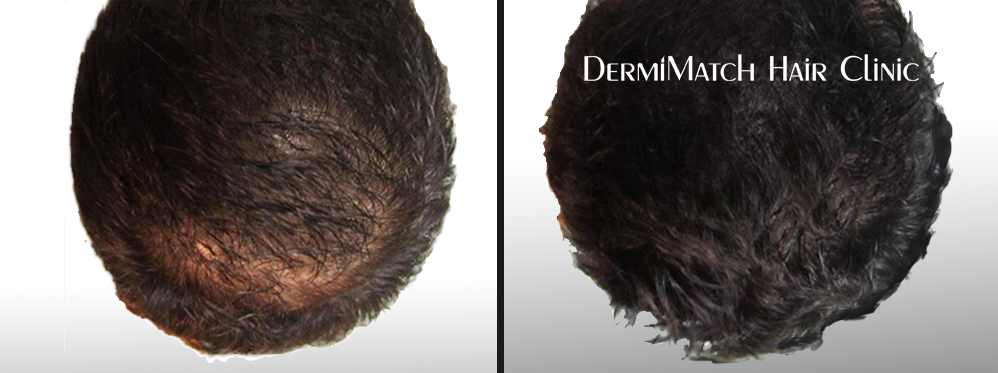
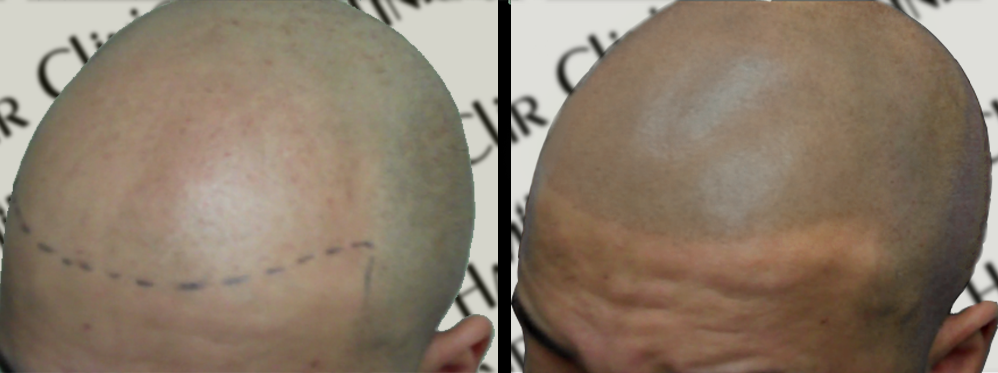
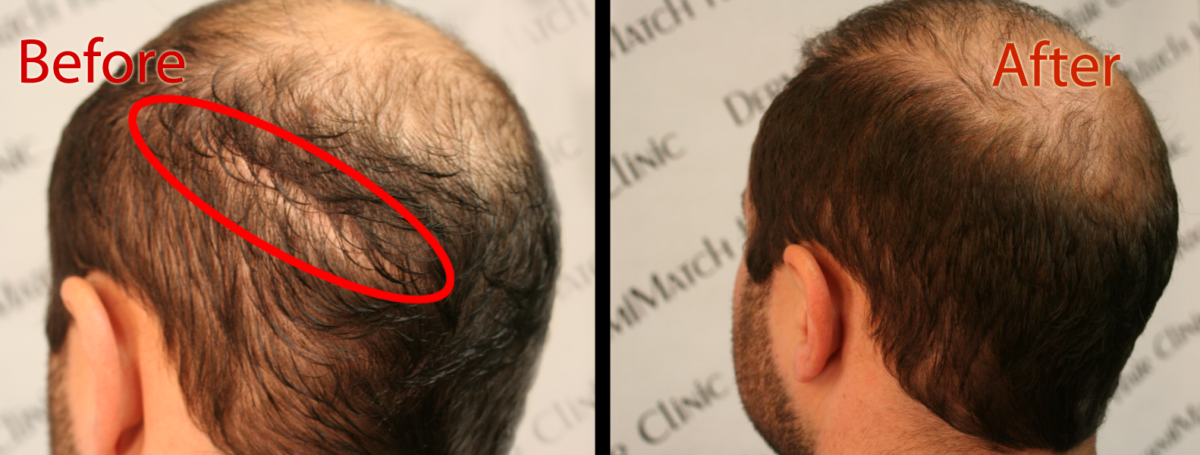
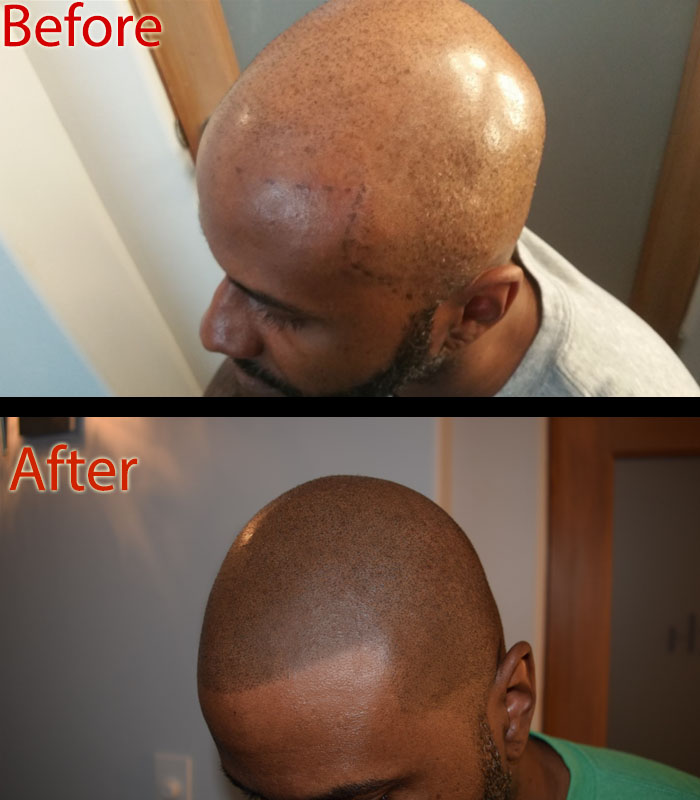
Scalp micropigmentation is a non-surgical, non-invasive cosmetic procedure. A trained SMP artist uses a specialized micro-needle to deposit tiny pigment dots into the upper layer of the scalp. Each dot mimics a real hair follicle. Together, they create the visual effect of a freshly shaved, full head of hair. Unlike a hair transplant, SMP requires no surgery and no recovery time. Unlike minoxidil or finasteride, it does not depend on biological response or hormonal management. It works for everyone, regardless of how advanced the hair loss has become.

How Fitness Influencers Put SMP on the Map

Social media accelerated everything. When a well-known trainer or bodybuilder appears with a sharp, clean hairline and noticeably higher confidence, their audience immediately notices. As influencers began sharing their SMP journeys openly, awareness grew fast. Followers who struggled with thinning hair saw real results from people they trusted.

Why SMP Beats Other Hair Loss Treatments for Active Men?

People frequently ask which hair loss treatment requires the least maintenance. For someone who trains intensely, sweats daily, and washes their hair constantly, that question matters. Minoxidil requires twice-daily application and delivers slow, inconsistent results. Hair transplants demand significant downtime.

Hair growth serums rarely deliver for men with established pattern baldness. SMP, by contrast, withstands sweat, chlorine, sunlight, and frequent washing without fading or disruption. Once the treatment settles, a clean head shave is all the upkeep required.

When Hair Growth Serums and Other Treatments Fall Short

Many men try minoxidil, DHT-blocking shampoos, PRP therapy, biotin supplements, and various hair growth serums before discovering SMP. Some see partial results. Many see none.

Treatments designed to regrow hair work best only in the earliest stages of loss and require ongoing commitment to maintain even modest improvement. Once significant thinning or recession sets in, no topical product restores the density or defined hairline that SMP delivers in a few sessions. If months of hair shedding treatment have produced no visible change, SMP does not ask you to wait any longer.

The Warning Every SMP Client Needs to Hear

Many tattoo artists also claim to be SMP providers. This is where results go wrong. Tattooing and SMP are not the same craft. Tattoo needles penetrate too deeply. Tattoo inks migrate and shift color over time, often turning blurry or greenish within years.

SMP requires specialized pigments, knowledge of precise hairline design, and an understanding of how the scalp layer behaves. Correcting bad SMP costs far more than getting it right the first time.

Always choose a practitioner trained specifically in scalp micropigmentation in Arizona. Study their portfolio carefully. Look for natural hairline design, consistent pigment placement, and results across diverse skin tones. Your hair loss treatment journey deserves to end with results you are genuinely proud of — and that begins entirely with choosing the right Arizona SMP professional.

Find the one you can trust and rely on at DermiMatch Clinic for the right hair shedding treatment.

Categories
scalp micropigmentation

Why SMP Is the Smart Backup When Laser Therapy Stops Working?

You research your options carefully. Months of consistent laser sessions follow. Then the mirror reveals the hard truth —hair thinning continues unchanged. That’s when you decide to undergo laser therapy, searching for the best hair loss treatment every single day. But although it helps some people, many others find no benefit at all. Your situation looks alike.

What Laser Therapy Actually Does?

Low-level laser hair therapy sends targeted light energy directly into the scalp. Follicle cells absorb that energy and stay in the active growth phase longer. Studies confirm LLLT can increase hair density by 15 to 40 hairs per square cm over six months in people with mild to moderate thinning. Notice the fine print, though — mild to moderate.

Once follicles miniaturize past a certain threshold, laser light finds nothing left to stimulate. Supporting active follicles is one thing. Rebuilding closed ones is something laser therapy cannot resolve.

Why So Many People Hit a Plateau?

Early results often feel promising. Progress then slows down and eventually stops. Androgenic alopecia — the most common driver of pattern hair loss — shrinks follicles progressively through DHT exposure.

Fewer active follicles remain available for laser light to reach over time. Stopping treatment reverses any gains rapidly. Many people end up locked into ongoing sessions only to hold their ground, with no realistic path toward visible density improvement.

Does Laser Therapy Work for Everyone?

No, it does not.

Research shows that outcomes may vary based on hair loss stage, genetics, skin type, and device quality. Women with early-stage androgenic alopecia respond better than men with advanced recession.

People with completely inactive follicle zones see little measurable benefit. Additionally, many laser devices carry FDA clearance without rigorous independent testing, making product selection genuinely confusing.

When Even the Best Hair Loss Treatment Stops Being Enough

Most people add serums, PRP injections, or oral supplements when laser therapy plateaus. These combinations support scalp health and sometimes slow further shedding. However, none restore visible density where follicles have already shut down. The gap between scalp and hair stays visible. Confidence keeps taking a hit. This is precisely the moment scalp micropigmentation changes the entire conversation.

Why SMP Fills the Gap Other Treatments Leave?

Scalp micropigmentation does not compete with laser therapy or serums — it completes what they cannot finish. SMP places precise, ultra-fine pigment impressions across the scalp, replicating the natural appearance of dense, closely shaved follicles.

Follicle activity, DHT levels, and hair loss progression become irrelevant. Results appear after the first session rather than after months of uncertain waiting. The hairline looks defined. The crown looks fuller. For anyone who has exhausted conventional treatments and still wants a reliable outcome, SMP delivers consistently.

One Critical Warning Before You Book Anyone

Results depend entirely on the Arizona SMP practitioner’s specialization. Tattoo artists now advertise SMP services after minimal training, capitalizing on the growing demand without mastering the craft.

Tattooing and scalp micropigmentation differ fundamentally in needle depth, pigment chemistry, and follicle replication technique. Tattoo ink spreads and blurs beneath the skin over time, leaving dots that look oversized and artificial.

Correcting that damage costs far more than choosing the right expert initially. Before booking anyone, verify that SMP is their primary discipline — not a side addition to a tattoo menu. Study real client portfolios showing pattern hair loss cases specifically. Ask directly about SMP certification and dedicated training. Your final result depends far less on the procedure itself and far more on the hands performing it.

Choose the best hands and experience in scalp micropigmentation in Arizona at DermiMatch Clinic.

Categories
scalp micropigmentation

Alopecia Areata Treatment: How SMP Camouflages Autoimmune Bald Spots?

Alopecia areata treatment becomes urgent when bald spots appear suddenly. This autoimmune condition attacks hair follicles without warning. The immune system mistakes healthy follicles for threats. Round patches of missing hair develop overnight. Some people lose all scalp hair. Others cycle between regrowth and new losses for years. The unpredictability causes frustration. No home remedy can stop an immune system attack.

Will Hair Grow Back After Alopecia Areata?

Many people ask if bald spots from alopecia areata grow back naturally. The answer varies by person. Some experience spontaneous regrowth within months. Others see hair return only to lose it again. Follicles remain alive but dormant. This creates hope but also uncertainty. Approximately half of the people with mild cases regrow hair within a year. Severe cases respond less predictably. Relying on natural regrowth means accepting years of visible bald patches.

Can Diet or Vitamins Reverse Autoimmune Bald Spots?

Popular alopecia areata treatment searches mention vitamins and nutrition. People hope supplements will fix their immune response. The reality disappoints. Vitamins support hair health only when a deficiency exists. Most alopecia patients have normal nutritional levels. Their hair loss stems from immune dysfunction, not missing nutrients. Eating better or taking biotin does not reprogram a misfiring immune system. Medical intervention targets the problem more effectively than dietary changes.

Does Stress Cause Alopecia Areata?

Stress appears frequently in alopecia areata treatment discussions. Severe trauma can trigger flare-ups in susceptible individuals. However, stress is not the root cause. Daily work pressure or family problems do not create autoimmune conditions. Managing stress through meditation or exercise helps overall well-being. It does not prevent new bald spots from forming. The immune attack continues regardless of stress reduction efforts.

Medical Treatments for Alopecia Areata

Dermatologists recommend corticosteroid injections as standard alopecia areata treatment. Needles deliver medication directly into bald patches. Results take months to appear. Unfortunately, success rates vary widely. Some people see excellent regrowth, while others experience minimal improvement.

Topical creams and foams offer another option. JAK inhibitors represent newer oral medications. These treatments work for some patients but fail for others. Side effects include infection risk and other complications. Treatment requires ongoing commitment with uncertain outcomes.

Why Scalp Micropigmentation Works When Other Options Fail?

Scalp micropigmentation provides immediate visual results. SMP does not attempt to regrow hair. Instead, it creates the appearance of natural hair density. Specialized pigments mimic individual follicles. The technique works even during active autoimmune flare-ups. Bald spots become invisible to observers. Confidence returns without waiting months for uncertain medical results. SMP adapts as alopecia patterns change over time.

Alopecia Areata Treatment That Adjusts to Changing Patterns

Autoimmune hair loss moves unpredictably. Bald spots disappear in one location and emerge elsewhere. Traditional alopecia areata treatment struggles with this pattern. SMP sessions can be modified anytime. Artists add pigment to new areas as needed. The technique blends seamlessly with existing hair. No surgery or recovery time interrupts daily life.

When Natural Remedies and Medical Options Disappoint

When natural oils accomplish nothing, supplements fail, and steroid injections provide temporary improvement, you still seek desired coverage. SMP offers a different solution entirely. It works with your appearance rather than fighting biology. Results appear immediately instead of requiring months of hope. Clients regain control over how they present themselves.

The Danger of Untrained Tattoo Artists Claiming SMP Skills

Rising demand for scalp micropigmentation attracts tattoo artists without proper training. Regular tattooing differs fundamentally from the SMP technique. Tattoo needles penetrate too deeply. Standard tattoo ink changes color over time. Blue or green pigment appears where natural brown should exist. Dots look oversized and artificial. Hairlines appear painted rather than realistic. Correcting poor SMP work costs more than doing it correctly initially.

Proper scalp micropigmentation requires specialized education. Certified artists understand scalp anatomy and autoimmune skin conditions. They use precise needle depths appropriate for facial and scalp tissue. Pigments match natural hair color without fading to unnatural shades. Follicle placement follows authentic growth patterns. Trained artists create results that look real under scrutiny. Your autoimmune condition deserves expertise, not experimentation.

Conclusion

Choose a certified Arizona SMP specialist who understands autoimmune hair loss patterns. Avoid tattoo artists crossing into medical aesthetics without proper credentials. Your scalp deserves precision, artistry, and results that withstand close examination from any angle. DermiMatch Clinic is happy to help you find top scalp micropigmentation artists in Arizona who can help you find the best alopecia areata treatment.

Categories
scalp micropigmentation

Genetic Hair Loss: How Much is Hereditary?

Hereditary pattern baldness affects many men and women. It is identified by both the pattern of hair loss. Your family history of hair shedding of a similar type will also tell whether it is hereditary. However, genetic hair loss is often the result of hormonal disturbance, genetic predisposition, and natural aging.

What percentage of hair loss is genetic?

Research finds that 80 percent of people with baldness have a history of hair loss. In many cases, the father also lost hair. However, baldness genes may not affect all generations. In fact, they are random in terms of siblings they will affect. Some siblings may receive genetic baldness from their genes, while others may still remain immune to it. Genetic hair loss is known as androgenetic alopecia or male/female pattern baldness.

Male pattern baldness starts at the hairline. As a result, men start getting bald on the forehead and at the temples. This extends backward, causing baldness along the scalp sides and top. It may start in the late teens or early 20s. Pattern baldness in women rarely causes complete baldness. A woman may experience hair thinning on the top and along the sides of the head. Genetic hair loss in men and women is different, as men exhibit receding hairlines more than women.

Is hair loss inherited from mother or father?

Many people believe that men inherit hair loss from their mother’s side while women get it from their father’s side. The reality is that no one family side has a role in hair loss. In fact, hair loss genes are passed down from both sides.

Can we stop genetic hair loss?

Hereditary hair loss cannot be prevented, as your genes are involved in it. Hair loss is a 4-step cycle, from growth to the resting stage. Then there is the third stage, when hair falls out, which is followed by regeneration.

Genetics alone is not responsible for hair loss. Other factors contribute to the problem. Hormonal disturbance in women is a major cause of hair loss. Many women experience baldness during menopause. On the other hand, men start getting bald in early adulthood.

An autoimmune condition may also be responsible for hair loss. Such type of hair shedding is known as alopecia areata, which results in patchy hair loss.

Some people may suffer hair shedding apart from genetic hair loss due to a medical condition, such as traumatic alopecia or ringworm infection.

Tight hairstyles may also play spoilsport in hair growth. You may suffer hair loss if you tie your hair tightly. This type of hair loss is known as traction alopecia.

Certain medical conditions also put you at a high risk of hair loss. This includes all metabolic diseases, including thyroid, diabetes, and IBS. Additionally, chemotherapy-induced hair shedding is no secret.

Genetic hair loss treatment

Struggling with hair loss and looking for a solution? Well, scalp micropigmentation is a permanent solution to hair shedding. If yours is genetic hair loss, there are hardly any solutions to the problem. Here, SMP can come to your rescue and conceal the problem areas.

Get help from the top Arizona SMP practitioners at DermiMatch Clinic – your one-stop shop for all things scalp micropigmentation and hair loss.