
CALL TODAY! 480-788-2432
CALL TODAY! Service: 480-788-2432 | Products: 833-436-4247
Categories
scalp micropigmentation

Digital Nomad Life Causing Hair Shedding? How SMP Restores Confidence?

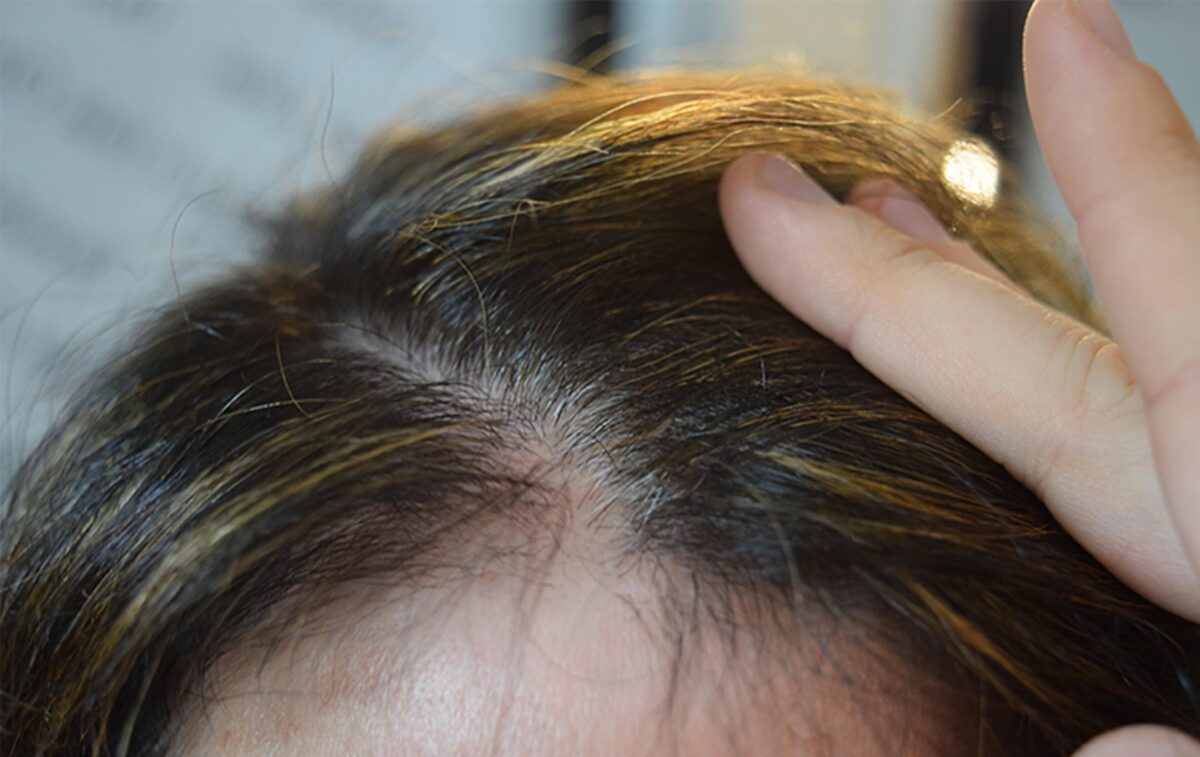
Answering emails from a Bali beach one month and a Lisbon café the next looks like pure freedom. Yet the digital nomad life hides a side that rarely reaches Instagram: broken sleep, random meals, endless travel, and low-grade stress that never fully switches off. For some people, all that chaos eventually shows up on the scalp as hair shedding. Travel does not pull your hair out, of course. Still, the habits that ride along with a constantly shifting lifestyle can quietly disrupt your hair growth cycle.

Can Stress Cause Hair Shedding?

Yes, heavy physical or emotional stress can trigger extra shedding. The usual culprit is telogen effluvium. Under pressure, cortisol climbs and pushes more follicles than normal into their resting phase, so those hairs let go weeks or even months later.

That lag makes the cause tricky to catch. A nomad might blame a new shampoo in Thailand when the real trigger was a stressful move months earlier. However, stress does not explain every case. Genetics, hormones, and thyroid issues can drive hair shedding too.

Can Too Little Sleep Make It Worse?

Crossing time zones wrecks a steady sleep routine fast. Late client calls, dawn flights, and unfamiliar beds leave the body without proper recovery night after night.

Because poor sleep keeps cortisol high, it simply stacks another stressor on top of the rest. One rough night will not cause baldness. The real danger comes from repeated sleep cycle disruptions paired with skipped meals and stress buildup. So when hair shedding shows up beside constant tiredness, you cannot ignore the need for quality sleep.

Is Your Travel Diet Starving Hair?

Nutrition turns wildly inconsistent on the road. One week brings home-cooked meals; the next runs on airport snacks and whatever sits near the hotel. Many nomads also skip lunch to hit a deadline or drop weight quickly after landing somewhere new.

Follicles need steady fuel to work. Low protein, low iron, and crash dieting all risk hair shedding. Therefore, never assume a single serum will fix what your diet started. Often the scalp just mirrors what the whole body has endured.

Does Stress-Related Hair Shedding Grow Back?

Frequently, yes. Once you remove the trigger — steadier sleep, regular meals, less pressure — the growth cycle usually recovers, though it takes patience. The story changes when male or female pattern hair loss enters the picture. Genetic thinning keeps advancing even after your lifestyle improves, leaving a widening part, a thinning crown, or a receding hairline. At that stage, many people stop waiting for regrowth and start looking for a way to improve how their hair looks right now.

Why SMP Suits Life On The Move?

Scalp micropigmentation does not grow new hair. Instead, an SMP specialist places tiny pigment impressions that copy real follicles and shrink the contrast between hair and bare scalp. On a shaved head, SMP mimics a crisp, cropped look. On suitable longer hair, it builds a convincing impression of density.

That simplicity clicks with nomads. There are no fiber bottles to pack, no elaborate styling before a video call, and no daily struggle to hide the same patch under flattering light. For anyone who tried growth serums without gaining real coverage, SMP offers a different promise — a better appearance now, not follicles it cannot create.

Your SMP Artist Matters More Than Your Location

Nomads get good at finding services anywhere. SMP, however, should never become a bargain booked just because someone nearby offers it cheap. Plenty of tattoo artists now list scalp micropigmentation, yet inking skin is not the same skill as building a natural scalp. Good SMP demands precise control of pigment, depth, dot size, spacing, and hairline design. Sloppy work heals into oversized dots, off shades, or an obviously fake hairline. So study healed results, not fresh photos, and look for clients with your skin tone and stage of hair shedding. Ask about SMP-specific training, hygiene, fading, touch-ups, and correction experience.

Digital-nomad life keeps changing, but your confidence does not have to fade with your hair density. When better habits and growth serums still fall short of real coverage, professional scalp micropigmentation gives you a practical, low-maintenance way forward. Choose your Arizona SMP practitioner carefully. One wrong choice can land you in wrong hands, ultimately resulting in a frustrating experience.

Schedule your Arizona scalp micropigmentation SMP consultation with the best professionals at DermiMatch Clinic.
Categories
scalp micropigmentation

Why SMP Is the Smart Backup When Laser Therapy Stops Working?

You research your options carefully. Months of consistent laser sessions follow. Then the mirror reveals the hard truth —hair thinning continues unchanged. That’s when you decide to undergo laser therapy, searching for the best hair loss treatment every single day. But although it helps some people, many others find no benefit at all. Your situation looks alike.

What Laser Therapy Actually Does?

Low-level laser hair therapy sends targeted light energy directly into the scalp. Follicle cells absorb that energy and stay in the active growth phase longer. Studies confirm LLLT can increase hair density by 15 to 40 hairs per square cm over six months in people with mild to moderate thinning. Notice the fine print, though — mild to moderate.

Once follicles miniaturize past a certain threshold, laser light finds nothing left to stimulate. Supporting active follicles is one thing. Rebuilding closed ones is something laser therapy cannot resolve.

Why So Many People Hit a Plateau?

Early results often feel promising. Progress then slows down and eventually stops. Androgenic alopecia — the most common driver of pattern hair loss — shrinks follicles progressively through DHT exposure.

Fewer active follicles remain available for laser light to reach over time. Stopping treatment reverses any gains rapidly. Many people end up locked into ongoing sessions only to hold their ground, with no realistic path toward visible density improvement.

Does Laser Therapy Work for Everyone?

No, it does not.

Research shows that outcomes may vary based on hair loss stage, genetics, skin type, and device quality. Women with early-stage androgenic alopecia respond better than men with advanced recession.

People with completely inactive follicle zones see little measurable benefit. Additionally, many laser devices carry FDA clearance without rigorous independent testing, making product selection genuinely confusing.

When Even the Best Hair Loss Treatment Stops Being Enough

Most people add serums, PRP injections, or oral supplements when laser therapy plateaus. These combinations support scalp health and sometimes slow further shedding. However, none restore visible density where follicles have already shut down. The gap between scalp and hair stays visible. Confidence keeps taking a hit. This is precisely the moment scalp micropigmentation changes the entire conversation.

Why SMP Fills the Gap Other Treatments Leave?

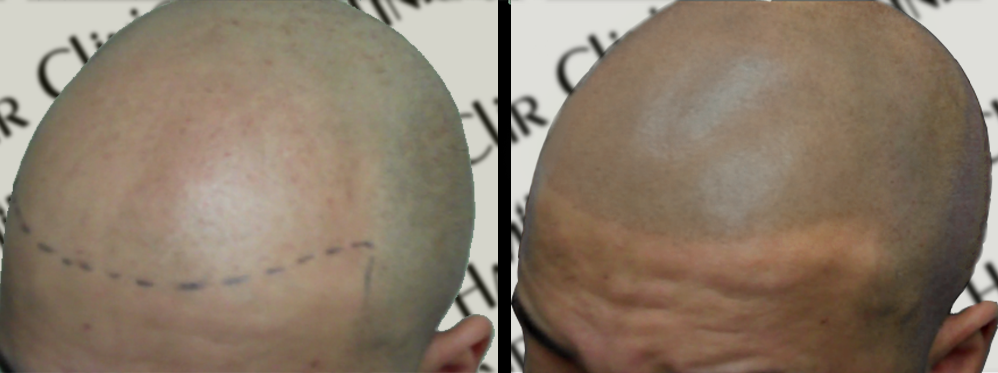
Scalp micropigmentation does not compete with laser therapy or serums — it completes what they cannot finish. SMP places precise, ultra-fine pigment impressions across the scalp, replicating the natural appearance of dense, closely shaved follicles.

Follicle activity, DHT levels, and hair loss progression become irrelevant. Results appear after the first session rather than after months of uncertain waiting. The hairline looks defined. The crown looks fuller. For anyone who has exhausted conventional treatments and still wants a reliable outcome, SMP delivers consistently.

One Critical Warning Before You Book Anyone

Results depend entirely on the Arizona SMP practitioner’s specialization. Tattoo artists now advertise SMP services after minimal training, capitalizing on the growing demand without mastering the craft.

Tattooing and scalp micropigmentation differ fundamentally in needle depth, pigment chemistry, and follicle replication technique. Tattoo ink spreads and blurs beneath the skin over time, leaving dots that look oversized and artificial.

Correcting that damage costs far more than choosing the right expert initially. Before booking anyone, verify that SMP is their primary discipline — not a side addition to a tattoo menu. Study real client portfolios showing pattern hair loss cases specifically. Ask directly about SMP certification and dedicated training. Your final result depends far less on the procedure itself and far more on the hands performing it.

Choose the best hands and experience in scalp micropigmentation in Arizona at DermiMatch Clinic.

Categories
scalp micropigmentation

Psychological Effects of Hair Loss

Hair loss can hurt your mental well-being. Thinning hair may trigger stress. Many find a drop in their self-confidence. Balding is not welcome and can lead to social anxiety. Depression can follow. Hair loss often feels like losing identity. Your self-image shifts overnight.

Have you too experienced the psychological effects of hair loss? Then you are not alone. Several people undergo this kind of mental frustration at the sight of thinning hair, receding hairline, pattern baldness, or excessive shedding.

Effects of Hair Loss on Self-Esteem

Alopecia areata can create sadness. Men with male pattern baldness wrestle with identity. Women face anxiety when they see thinning hair. Self-esteem takes a hit. Some avoid social gatherings where their image could come under scrutiny. Others hide under hats only to avoid humiliation. Mood swings become common.

How to Cope?

Talk to a therapist about anxiety because you don’t want to hurt yourself more. Practice positive self-talk daily to avoid hurting yourself. Use mindfulness to manage stress. Create a balanced routine at home. Eat nutrient-rich foods for hair health.

Exercise boosts mood and circulation. Get at least seven hours of sleep. Avoid harsh hair treatments and heat. Use scalp massagers to improve blood flow. Try meditation apps to calm the mind. But if nothing helps, you might look for hair loss treatment options.

Hair Replacement Options

Wigs and hairpieces offer instant coverage. Choose synthetic or human hair pieces. Clip-ins and toupees hide bald patches. But wigs need proper cleaning and storage. The same is the case with hair systems that can irritate sensitive skin and make your problem worse.

Hair transplant surgery moves healthy follicles. But it is painful, expensive, and recovery can be long-lasting. What’s more, there is always a risk of scar formation on the donor site.

Then there are drugs like minoxidil that are known to slow hair loss. Finasteride can prevent thinning hair in men. But the effects of the treatment are visible only as long as you choose to take it. Once you stop treatment, hair loss returns.

Scalp Micropigmentation to beat the effects of hair loss

Scalp micropigmentation (SMP) is a cosmetic tattoo. It adds pigment to create a hair follicle illusion. The result looks like a shaved head with uniform stubble.

The best part is that SMP works for all skin tones and hair colors. It hides bald spots and blends with thinning hair. This hair restoration alternative requires no surgery. Unlike a transplant, SMP healing time is short. There is no scarring or grafting.

What’s more, the pigment resists fading from sweat and swimming. Better still, SMP costs less than a hair transplant. It helps improve self-image and reduce stress about hair. You don’t need any pills or topical treatments.

However, touch-ups may be needed after a few years. But one thing is guaranteed that the look stays natural and realistic. SMP is ideal for men and women of all ages. It suits early-stage thinning and complete baldness and might be your best choice when the effects of hair loss are starting to show up.

It supports mental well-being by restoring a full-hair appearance. The procedure takes a few sessions. Each session lasts two to four hours. Aftercare involves simple cleaning and avoiding sun exposure. The pigment settles over time. Results are long-lasting, typically five to ten years.

But you ought to pick a practitioner with certified Arizona SMP training. Beware of tattoo artists claiming SMP skills. A hair tattoo requires a specialized technique. A poorly done SMP can leave uneven dots. Bad work can be hard to correct. Schedule a consultation with top scalp practitioners in Arizona before booking.

Discuss your desired hairline design. Ask about pricing transparency. Request clear aftercare instructions. A skilled artist explains the entire process. They answer all your questions patiently. Finding the right expert guarantees a confidence boost that lasts.

You can find the best at DermiMatch Clinic.