CALL TODAY! 480-788-2432
CALL TODAY! Service: 480-788-2432 | Products: 833-436-4247
Categories
scalp micropigmentation Uncategorized

Steroids and Hair Loss: Is There A Connection?

Can steroids cause hair loss? Is there actually a connection between steroids and hair loss? There are different types of steroids. Many people take steroids for muscle mass building and to improve athletic performance. Some others use corticosteroids for allergies, skin conditions, or blood disorders. Since these steroids behave similarly to testosterone, they may lead to hair loss or male pattern baldness.

Steroids and Hair Loss: The Link

Hair loss in men using steroids is primarily found in those taking anabolic steroids, which is a synthetic form of testosterone or male sex hormone. These steroids may cause hormonal imbalance and affect androgen levels, resulting in androgenetic alopecia over a period of time.

Prednisone and Hair Loss

There is another steroid that is linked to hair loss. Prednisone is a steroid taken by people with low corticosteroid levels. This includes lupus, arthritis, and multiple sclerosis. People with certain conditions affecting the skin, lungs, blood, eyes, kidneys, stomach, thyroid, and intestines are often prescribed Prednisone as their body is unable to naturally produce certain steroids

People taking Prednisone often experience hair thinning, depending on the dosage and interaction with other drugs. However, for some prednisone even stimulates hair growth.

How Do Steroids Cause Hair Loss?

Anabolic steroids can stimulate the production of DHT or dihydrotestosterone. DHT is the hormone that is blamed for androgenetic alopecia. this can cause genetic hair loss

Women too may experience adverse effects of anabolic steroid treatment. Such women may report excessive hair growth all over the body, except the scalp. In some cases, excessive use of the hormone may result in irreversible hair loss in women.

How To Prevent Hair Loss Caused by Steroids?

Talk to your doctor if you have concerns about the steroids and hair loss connection. They may prescribe alternative medications.

You must avoid steroids unless there is no other option. Steroid abuse may result in severe side effects in men, including severe acne, infertility, gynecomastia, and prostate cancer. Women may experience problems with menstruation, deepened voice, and increased hair growth.  The doctor may reduce the steroid dosage in some cases if the side effects are extreme.

What To Do for Steroid-Related Hair Loss?

A doctor may prescribe Finasteride for patients with steroid-related hair loss. The treatment is based on regulating DHT hormone levels in men. Minoxidil is another drug used for hair growth in people with steroid-caused hair loss.

Hair regrowth takes longer than expected. Hair does not grow overnight. A diet and lifestyle modification can help your cause in the long run. But what is the solution if you are losing hair at present and don’t know how to go about steroid-caused hair loss?

SMP for Hair Camouflage

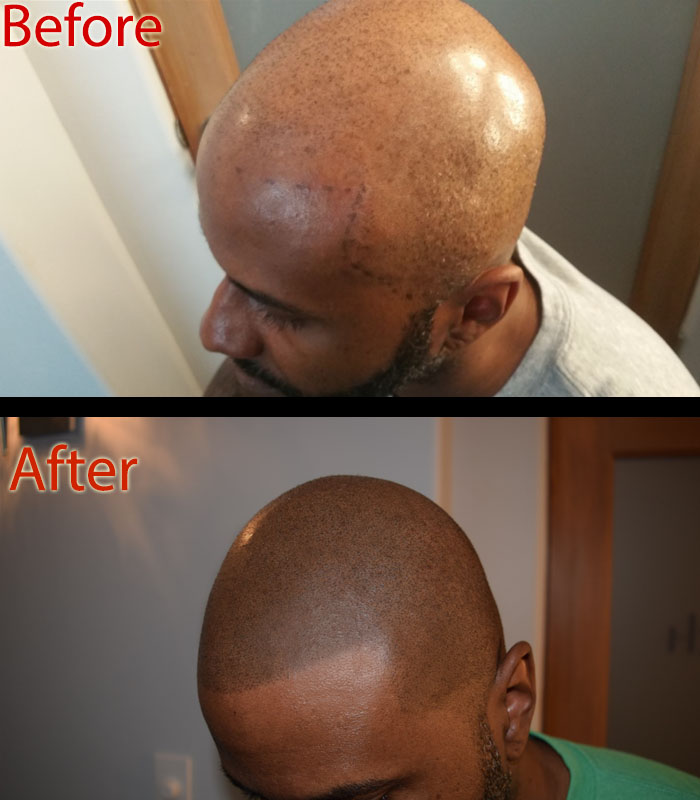
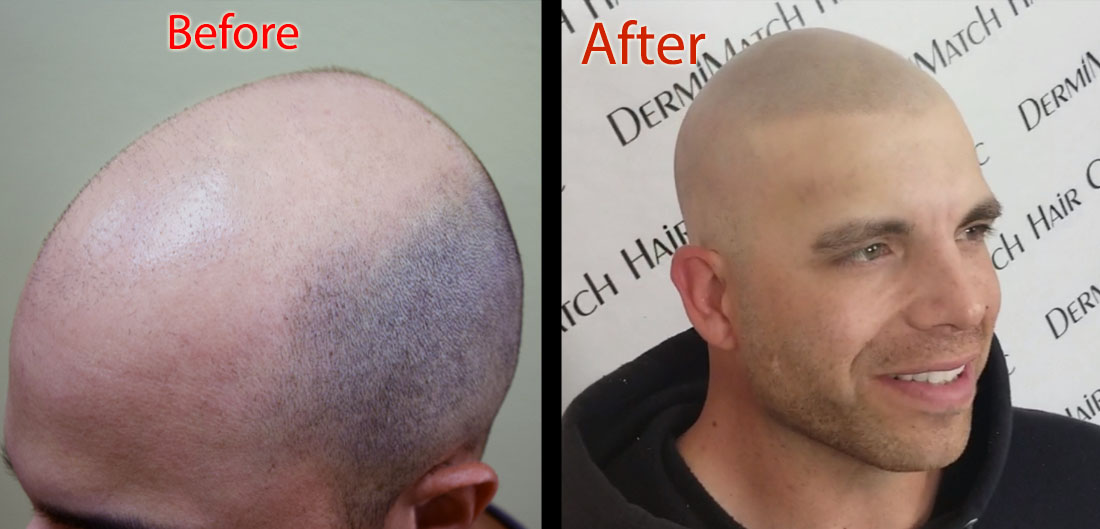
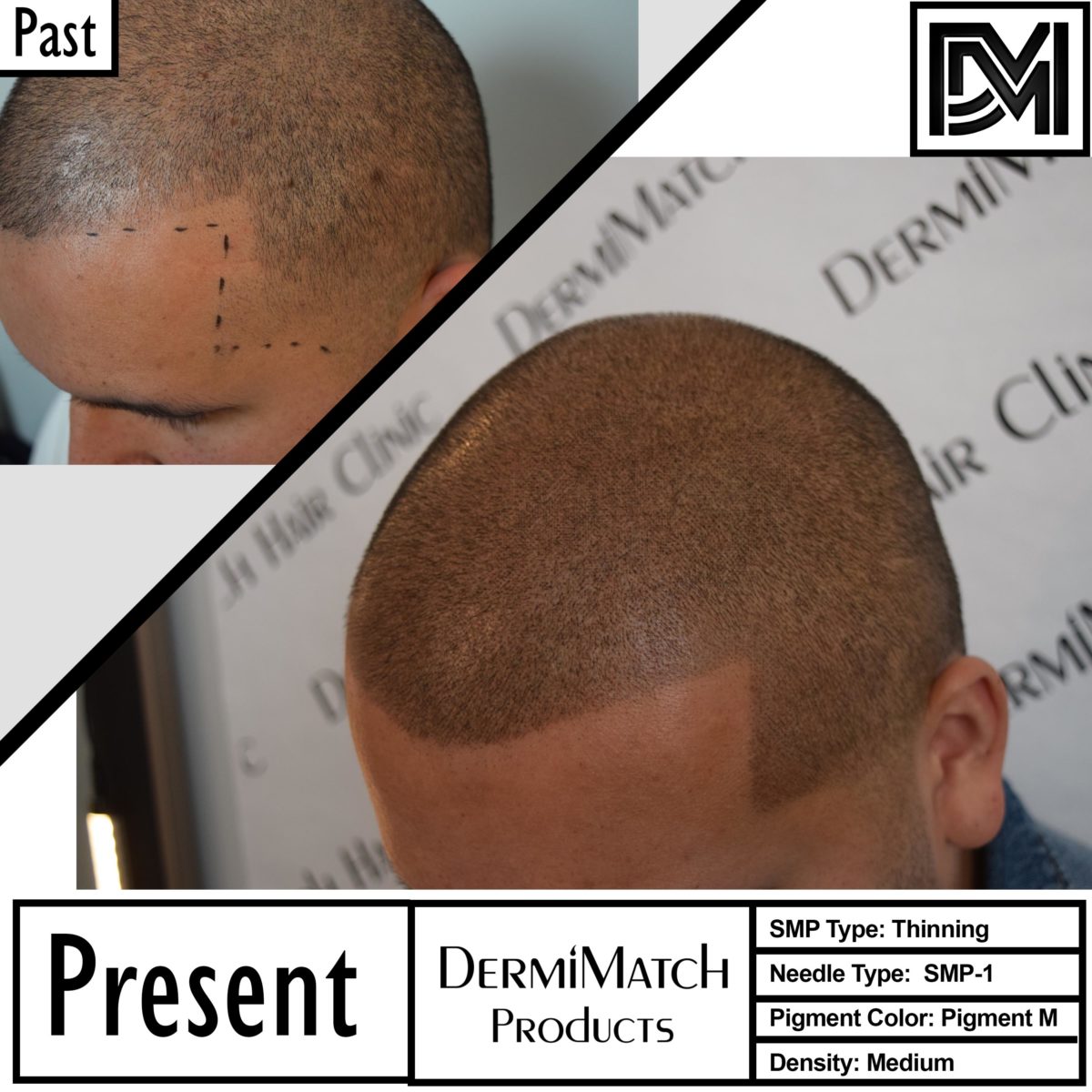
If you cannot wait for medications and diet to show their effect, scalp micropigmentation can help cover those scalp problems. SMP cannot prevent hair loss but it can hide the site of thinning hair, alopecia, baldness, and receding hairline.

But not everyone can produce the desired results when it comes to scalp micropigmentation. You need expert hands for the procedure. Get in touch with DermiMatch SMP experts in Phoenix for the best scalp micropigmentation experience if you are looking for a solution to steroid-induced hair loss.
Categories
scalp micropigmentation

SMP Myths Busted

Are there any SMP myths? Scalp Micropigmentation uses microneedles to implant pigment into the scalp to cover scalp problems. The treatment is meant to mimic the appearance of natural follicles for people struggling with thinning hair, pattern baldness, or a receding hairline. But there are many SMP myths that need to be busted.

SMP Myth 1: It is meant only for Bald Men

This is wrong. Scalp micropigmentation is meant for anyone who needs help for scalp problems. No doubt, it can help bald men by covering bald patches and adding density. This creates a thicker appearance to the hair. Both men and women can benefit from scalp micropigmentation to thicken hair.

Myth 2: SMP Looks Fake

If the scalp micropigmentation is not performed correctly, the SMP myth may hold true. But with the best scalp artist around, you can only expect best results. Your procedure will appear genuine when done by experts with the right equipment and technique.

Myth 3: SMP is Painful

If someone told you that scalp micropigmentation is a painful procedure, then you might want to bust that myth. Compared to a traditional tattoo or hair transplant, SMP is less painful. It may cause a feeling of little discomfort for those whose skin is sensitive around their hairline. Some clients do not feel anything and even fall asleep.

The pain primarily depends on:

  • The area of the scalp being treated
  • The individual’s pain tolerance
  • Anxiety

SMP Myth 4: The Color Fades Quickly

Some might tell you that scalp micropigmentation does not stay for long. But this is totally wrong as SMP is a permanent procedure. That means with a few touch-ups, the longevity of SMP is around 4 to 6 years. There might be slight fading initially as the ink settles on your scalp. The treatment results primarily depend on:

  1. The expertise and skills of the scalp artist

2. Following SMP aftercare instructions

3. Avoiding sun/UV exposure

Myth 5: It is a Scalp Tattoo

Scalp micropigmentation is different from a tattoo. In fact, there are significant differences between both, from the skill of the practitioner to the tools used during the procedure. The pigment depth is another important difference. While a tattoo is implanted deeper into the skin, SMP stays on top just below the first layer of the skin. Scalp micropigmentation is implanted in the upper layer of the Dermis, which is crucial to retain the shape of the pigment. If implanted deeper, there is a risk of discoloration, migration, and blurring.

What’s more, SMP uses microneedles whereas a traditional tattoo uses bigger and larger needles. While tattoo ink is usually chemical based, SMP pigments are organic and plant-based.

Where to Go For SMP in Arizona?

Now that we have busted SMP myths, you should be confidently going ahead with the hair restoration procedure. However, the most important point here is to look for the most skilled and experienced hands for the job. DermiMatch has the best Arizona scalp artists who are experts in the field and can help transform your life. Get in touch with scalp experts at DermiMatch today, who can happily answer your questions and dispel your doubts!

Categories
scalp micropigmentation

SMP Aftercare for Density Treatments

So you have decided to undergo scalp micropigmentation for thinning hair and wondering if you need SMP aftercare for your density treatment. Well, it is important to treat your SMP as an open wound and ensure utmost hygiene and care. You should not make it wet and avoid sauna, steam, chlorinated pools, and tanning beds after treatment. Good SMP aftercare for density treatment will ensure a long-lasting result.

SMP Aftercare After 4 Hours

Good aftercare begins with washing the head 4 hours after SMP to remove the residual ink from the scalp.  Avoid using chemicals and hot water. Instead, use cool water for the purpose. Blow dry the hair after washing. Again, avoid using hot air. 

0-5 Days

The first 5 days are crucial. There are dos and don’ts to follow:

Sweating heavily – The goal is to avoid any rigorous exercise for 5 days. Excessive sweating could affect the healing process.

Shaving – Shaving might irritate the scalp skin when it’s healing.

Scrubbing and shampooing – You want to avoid any activity that can break open the skin and wounds. Remember, your scalp is still healing so be gentle and avoid touching. Use gentle shampoo after Even shampooing may introduce harsh chemicals. DermMicro aftercare kit includes a naturally formulated cleanse shampoo that you may start using a week after the final session. Now onward washing your head is crucial every 2-3 days.

Sun exposure – Ultraviolet rays can cause sunburn and damage the skin, causing premature fading of the pigment.

Touching– Avoid the temptation to touch the scalp with bare hands as this may introduce bacteria into the skin.

5th-10th Day

Now your scalp is healing nicely. But since it has not healed completely, follow your SMP aftercare protocol for density treatment. Now your focus should be to avoid:

  • Shampooing or exfoliating
  • Scratching the scalp
  • Using skin irritants that may cause inflammation

SMP Aftercare: 10th-30th Day

Now you can expect your scalp healing to be faster after 10 days. Healing will decide the next session. The scalp artist may ask you to wash your head before the follow-up session. So watch their SMP care instructions carefully.

Wear a loosely fitted hat when you step out in the sunlight to protect your scalp from exposure to ultraviolet rays so your natural pigment can do its job.

A month after the treatment session, your scalp will thank you for taking care of it religiously all through these 30 days. Now feel free to start your normal routine of hitting the gym or entering the waters. Enjoy bathing in the sun while still wearing a light-colored hat so that dangerous UV rays do not damage the pigment.

Where To Find Best Scalp Artist?

Now that you are ready for scalp micropigmentation and have all the SMP aftercare tips with you, it’s time to step into the world with confidence. Find the best scalp practitioner in Arizona and trust them for giving you the look you desire. Invest in the top-quality scalp aftercare kit available at DermMicro and you are almost ready to set a new trend.

Categories
scalp micropigmentation

Hair Transplant versus SMP: Which is Better?

No doubt, balding or hair thinning or even premature greying is a sight nobody is happy about. It does affect their self-morale, self-esteem, and self-confidence. Hair loss can ruin looks and personality. So when you want to look good, you ought to focus on hair. Thinning hair, receding hairline, and pattern baldness all come with age. Now you might wonder if there is any better hair restoration solution than a hair transplant. let’s see the comparison of hair transplant with SMP below.

Hair transplant versus SMP

What is a hair transplant? As its name suggests, it is a type of surgery that involves extracting hair from a donor site. The extracted hair is then implanted into the section with hair loss. FUT and FUE are two popular hair transplant procedures that come with their own set of risks. No doubt, a surgery has a long recovery period, not to mention, the pain and side effects associated with a transplant.

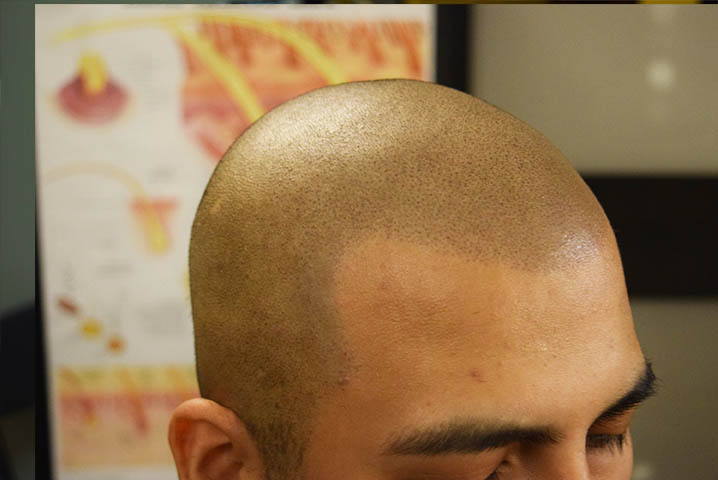
Scalp micropigmentation, on the other hand, is non-invasive. It only uses microneedles to inject natural pigment into the scalp. The goal of SMP is to replicate tiny hair follicles with pigmented dots at the site of hair loss. A scalp camouflage procedure, SMP easily covers bald spots or even scalp scars by restoring the hairline. The procedure also thickens the existing hairline.

How Is SMP Better Than Hair Transplant?

For those looking for a non-surgical hair restoration treatment, scalp micropigmentation does not have a match. It is quicker and easier and relatively painless. It has a short recovery period and you can return to work even the next day. But that’s not the case if you undergo a hair transplant surgery.

Instant results

You can expect almost immediate results with scalp micropigmentation, which deposits pigment into the scalp and recreates the appearance of follicles. You can immediately enjoy a new hairline and a youthful look that will grab eyeballs. But with a hair transplant, you cannot expect instant results. it takes months to show up the results you are looking for.

Cost

As compared with a transplant, SMP is quite affordable and relatively cost-effective. If you are on a tight budget, SMP is an ideal choice.

Safety

SMP is a safe and relatively painless. It does not use any invasive techniques to create results. It uses specially designed microneedles to apply natural pigment. These needles do not cause any pain when they insert pigment into the epidermis. You do not need any prescription painkillers to overcome pain after the procedure because there is hardly any pain experienced by people who undergo scalp micropigmentation. While a transplant is associated with swelling, bleeding, itching, and risk of infections, SMP only results in some amount of redness, which goes away on its own within a day or two.

SMP for Hair Loss

If you want to avoid surgical invasions, SMP is an excellent choice. Scalp micropigmentation delivers permanent results without any pain, side effects, or allergic reactions. The procedure speaks for itself as a hair restoration solution. It’s how you can look younger almost immediately after the procedure. Get in touch with top SMP practitioners in Arizona today and find how scalp micropigmentation can help your hair loss problem. In the hair transplant versus SMP debate, the latter is a winner.

DermiMatch clinic has the best Arizona scalp artists. Consult with them today.

Categories
scalp micropigmentation

Stress and Hair Loss: How Can I Stop My Hair Fall?

Life is stressful. There are all kinds of stress reasons for all of us. Increased stress levels come with a host of problems, from physical to emotional. True, it can cause blood pressure increase as well as blood sugar spikes. Today, it’s a known fact that stress and hair loss are indirectly connected. Research validates this fact. Lab tests on mice show that stress results in the release of corticosterone hormone, which blocks the production of GAS6 protein. What is this protein? Let’s find it below.

The GAS6 Protein Connection

The GAS6 protein is believed to stimulate the growth of hair follicles. High levels of the stress hormone might prevent the protein from reaching the levels required for the growth of hair.

There are 3 different stages of hair growth, beginning with anagen. This is the time when follicles push through a hair shaft. After anagen comes catagen when the hair stops growing while shrinkage starts in the lower part. The final stage is a resting period when fair follicle stem cells are no longer active. As a result, they cause loss of hair.

Research reveals that hairs remain in the telogen phase for fewer than 20 days in people with stress. Restoring the GAS5 protein helps restore normal levels of hair growth in lab mice.

Now that you know stress is bad, how can you stop hair from falling out?

Dealing with Stress and Hair Loss

Long periods of stress pose a high risk of hair loss. If you are dealing with too much stress, get some professional help if you cannot overcome it on your own. The idea is to come out of this phase and start to live life again so that you can lead a healthy life, physically and mentally. This will positively affect hair growth.

Remember, long-term stress can cause alopecia areata. Then it might be tough to overcome. Catch it now before it gets too late. Stress and hair loss are not permanent only if you know how to keep your stress levels under control.

  • Practicing meditation can come to your rescue as a lifestyle change to manage stress in the long run.
  • Get regular exercise to manage stress and its effects
  • Isolate yourself from negative people
  • Change your diet and eat clean. Include multivitamin rich diet to lower stress and stimulate hair growth.
  • Treat your hair with care.

But if your hair loss is caused due to long-term stress, it might be tough to manage. So when stress and hair loss are connected so deeply, scalp micropigmentation might be the best option to cover bald patches, thinning hair, or a receding hairline.

SMP for Stress and Hair Loss

If you are dealing with stress-caused hair loss, scalp micropigmentation can surely help. SMP can cover your scalp flaws and help restore your confidence. A confidence boost might help indirectly affect your stress levels. No doubt, scalp micropigmentation offers a better hair restoration alternative to the more expensive hair transplants.

Get in touch with the best Phoenix SMP artist at DermiMatch, who are trained, skilled, and experienced in scalp micropigmentation.

Categories
scalp micropigmentation

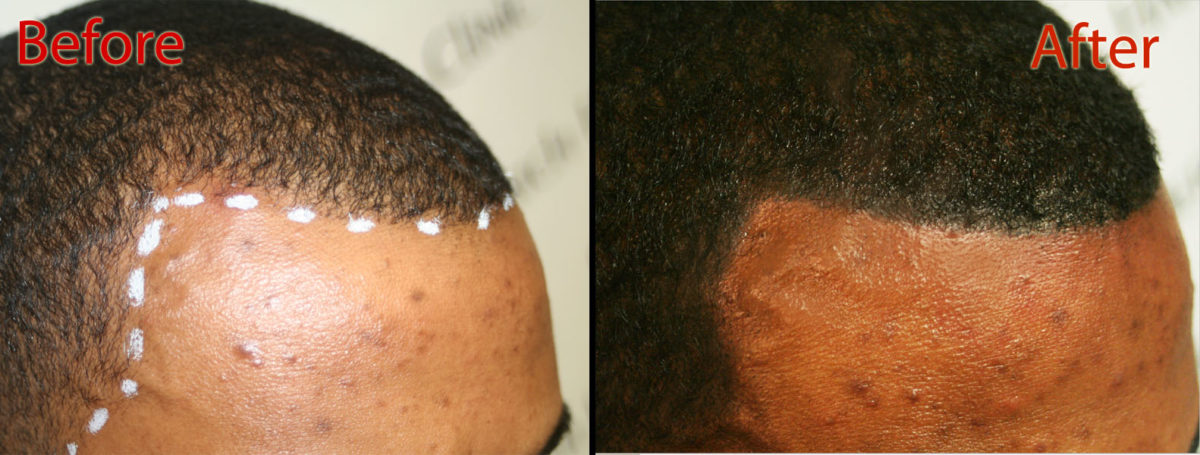
What are SMP Hairline Options?

Your SMP hairline should be in the right place to create the best look. The right hairline frames the face and gives you the look you desire. Whether you are looking for hairline repair due to hair loss or dreaming of a barber shop look or even a soft finish, the best option is scalp micropigmentation. The best scalp artist is a master at creating diverse hairlines as per specific individual needs.

Faded Hairline

Many men prefer a softer look at the front. A faded hairline can create that look. The SMP artist uses lighter shades of pigment at the front line, gradually building density as he goes behind. This gives a subtle, natural finish that many clients dream of, with a lighter edge. Also known as gradient or feathered hairline, the process involves using gentle shades to create a light touch. This type of hairline works best for lighter colored hair and creates a more realistic look.

Faux Scar SMP Hairline

Add authenticity to your SMP with the faux scar hairline. Many clients look for options to create a fake scar on their scalp for a more masculine look. While some clients seek scalp micropigmentation for scar camouflage, many are looking to create one. In such cases, the top SMP practitioner may choose to add a fake scar through the front edge, creating a cracked version with different shades and density so that it gives a realistic look.

Broken/Jagged Hairline

This type of hairline comes close to a natural hair pattern. To create a broken hairline, the scalp artist chooses to scatter random pigments below the actual hairline. The goal is to create the impression of real hair distribution. Jagged hairline creates more of a wonky line that moves away from the straight line.

Dusted SMP Hairline

Most light hair or skinned men prefer a lighter version of scalp micropigmentation to create a subtle impression of SMP. There’s always the option to add depth and density in the future as they gain confidence in their SMP look.

Edge-Up Hairline

As opposed to the dusted hairline that is specifically suited to fair skin, the edge-up style works best with dark hair and skin color. The SMP artist ensures that pigments are not much scattered from the intended hairline.

Receded Hairline

While some seek SMP for correcting a receded hairline, there are a few that want to create a slightly concave side profile with features of the faded hairline. The goal is to create an authentic shape and finish that caters to the specific head shape and style.

Windows Peak

Here’s a soft and broken hairline with a pointed central part. This type of SMP hairline looks like an m-shaped hairline but without high or broadsides. The hairline creates an impression of reality.

Defined SMP Hairline

The aim is to create a look with an edge-up style but one that ages better. The top scalp practitioners in Arizona use the best products and techniques to create the right dimensions and avoid over saturation with the right amount of shading and depth.

Who Creates the Best SMP Hairlines?

DermiMatch has a proven track record of successfully completed SMP hairline projects. It boasts some of the best scalp artists in Arizona, who have created a complete range of SMP styles that replicate natural appearance. If you seek the best experience of SMP in Arizona, get in touch with DermiMatch experts today.

Categories
scalp micropigmentation

How To Return to Work After SMP?

No doubt, people who know you are familiar with your looks, and you are wondering about your return to work after SMP. If you undergo scalp micropigmentation, they may notice a difference in your looks as you are likely to look more youthful after the procedure, though they may not find out what has changed. But that does not mean you cannot return to a normal routine quickly.

If you are returning to work in-between sessions, people might notice a change. But you should not bother yourself about it.

Return to Work After SMP

Many people return to work the next day after their SMP session. True, you may feel a little anxious about it because you don’t want people to know about your treatment. Luckily, many people are unable to find out about it, though they may notice some improvement in your looks right after the first session. In the first two days, the scalp may appear a little more red than normal because the tiny wounds caused by the SMP needles are still fresh. But it won’t be too late before they will be gone, and your scalp should look normal soon.

During this period, the dots created may look darker while they are healing. For people with light or sensitive skin, the redness may be a little more noticeable.  If you have fair skin and are conscious about how people might react to your changed look while your scalp is still healing during sessions, you may want to plan your treatment carefully. For a working professional, it might help to schedule a session for the weekend so your scalp has a couple of days to heal before you return to work. This would make returning to work much less stressful. Now you don’t have to bother about people’s reactions.

How to Reduce Redness

Follow SMP aftercare tips

Additionally, there are ways to reduce the redness after each treatment session. It is important to follow all the SMP aftercare instructions and let the treatment heal naturally. Avoid touching the scalp for at least 4 days or using any topical treatments. Reach out for DermMicro scalp aftercare kit that includes a host of scalp care products for your post-SMP self-care regime.

Should you Wear a hat when you return to work after SMP?

When you don’t want your SMP to be visible in the initial stages, it is better to cover it with a hat. It is important to talk to your scalp practitioner if you can wear a hat. It is always advised not to wear anything immediately after the session because you want the scalp to heal first by letting the skin breathe.

Make sure SMP suits your looks

When you don’t want to draw attention to your scalp when you return to work after SMP, make sure that you choose a style that fits with your natural style and complements your looks. You don’t want to choose a style that looks weird and unnatural and then grabs eyeballs. The best scalp artist knows what works best on a specific client, based on their physical traits. They can best customize a treatment plan that suits their client’s preferences and looks.

This ensures that the treatment looks natural and goes well with the client’s style.

If you are looking for a trained, skilled, and experienced hand in SMP in Arizona, get in touch with DermiMatch clinic. They have some of the most skilled scalp practitioners in Arizona. 

Categories
scalp micropigmentation

What is a Good Scalp Cleanser?

Have you undergone scalp micropigmentation in Phoenix recently or are considering it? Or are you interested in taking better care of your scalp? In both cases, you need to include a good scalp cleanser in your self-grooming regime for a healthy scalp. Now when it comes to choosing the right product for scalp cleansing, you don’t want to reach out to one with harsh ingredients. Of course, you want to stay away from chemical-laden products that can do more harm than good.

Pick the right scalp cleanser

The scalp is quite a delicate area, and you want to keep it clean and healthy with a regular cleansing, moisturizing regime.

Is shampoo a good scalp cleanser? Well, shampoos are usually made with ingredients that can be harsh on your skin, remove natural oils, and dry out the scalp. Such products are often formulated with chemicals, such as sulfates and parabens, and can cause dryness, flaky skin, and irritation.

When you want to cleanse your scalp, choose a scalp cleanser that is gentle on your skin, nourishes it, and effectively removes dirt and oil, without leaving any residue. So what is the right scalp cleansing solution? Well, you want to reach out to a scalp cleanser that is formulated with natural ingredients that retain moisture and soothe the scalp.  Of course, the right product does not strip away beneficial oils from your skin and helps keep it hydrated.

Benefits of a Good Scalp Cleanser

Cleansing

Unless you use a good cleansing solution, it can result in a buildup of oils and dead skin cells. If you have dry skin, look for a solution that has good moisturizing properties. However, if you have undergone scalp micropigmentation recently, choose a product that soothes the scalp, reduces redness, and calms irritation.

Does not clog pores

Having clogged pores is not a good sign if you aim for a healthy scalp. A good scalp cleanser is one that does not clog your pores and irritate the skin.

Exfoliation is necessary

When looking for an effective natural scalp cleaning product, look for one that exfoliates the skin and removes dead skin cells. A powerful scalp cleansing solution will also remove excess oils and dirt buildup, which leads to dandruff, itching, and skin problems. After SMP, a good cleanser for the scalp will be one that helps promote the growth of new skin cells and keep your scalp feeling soft and supple.

What to Look for in a Good Scalp Cleanser?

Look for a product that is effective from day 1 and cleanses deeply without drying or dehydrating the skin or stripping it of beneficial oils.

  • Reach out for a solution that balances the pH levels of the scalp.
  • Moisturizes and soothes the scalp.
  • Does not contain chemicals and irritating ingredients.

If you are looking for a scalp cleanser that actually works, look no further than DermMicro SMP aftercare kit that comes complete with a cleansing shampoo formulated to gently cleanse the scalp and also help with healing.

The kit uses no harsh chemicals or artificial additives. This is the best way to take care of your scalp while it is healing after scalp micropigmentation.

Check out the DM scalp aftercare kit that includes a cleansing shampoo, restore ointment, and restore lotion to complete your post-SMP scalp care regime. It might just be what you’re looking for.  If you are looking for the best hands for SMP in Phoenix, DermiMatch scalp practitioners can help.

Categories
scalp micropigmentation

5 Activities That Cause Hair Loss

You love your hair but, unknowingly, you are engaged in activities that cause hair loss. You continue to experience hair thinning or shedding of hair and wonder why it is happening to you. Let’s explore these activities that cause hair loss so you can avoid them for healthy hair.

Activities That Cause Hair Loss

  1. Irregular hair care regime

Shampooing is critical to the health of your hair. Remember, your scalp is also a part of the skin, and the only way to keep it healthy is to clean it regularly. Regular shampooing can help with the growth of hair and stem hair fall. So how often should you wash your hair? Well, it varies from one person to another, depending on how oily the scalp is. For people with oily scalp, regular washing is crucial to prevent the buildup of pollutants and oil. This can further cause dandruff and inflammation. Dandruff is not good for hair growth.

  • Aggressive brushing

Wet hair is the most vulnerable to breakage. Aggressive brushing of wet hair is one of the most common activities that cause hair loss. It can weaken the roots and cause irreversible damage to the follicle. Besides, you should avoid going to bed when your hair is still wet as it increases the risk of breakage. So before you hit the bed, make sure they are dry and untangled to prevent hair loss.

  • Overuse of styling tools

Heat can be dangerous to your hair. Using hair styling products that blow out heat on your hair can make the strands brittle. Not to mention, this makes your hair prone to breaking. So you want to choose hairstyles that do not use heating to minimize the damage to your locks. If you use styling tools too often, they can be harsh on your hair, resulting in hair breakage. Avoid using the hairdryer regularly as it could cause extreme damage to hair. Excessive use of heat on hair can weaken the hair fiber and shaft and damage the cuticle.

  • Poor diet

Protein is crucial for hair health as it gives strength and structure to the hair. In fact, hair is made of protein. Unless you are eating healthy, your hair won’t grow. A diet that lacks iron, protein, zinc, and vitamin D can weaken your hair due to a lack of nutrition and cause hair thinning. This is one of the many activities that cause hair loss.

  • Skipping breakfast

If you rush out the door in the morning without breakfast, you are starving your hair. The first meal in the morning is crucial for overall health, and your hair is no exception. Hair is the last to receive nutrients as the body focuses on other important organs first.

So if you make it a habit to skip breakfast, your hair will remain malnourished and weaken, becoming prone to breakage.

Besides, it is important to protect your hair from sunlight as it can be harmful to the hair fiber and cuticle. Shielding your hair from the direct rays of the sun will protect them from damage.

SMP is An Alternative

Avoiding these activities that cause hair loss should help. But this is a gradual process. If you are still not able to control hair fall and remain disturbed due to excessive hair shedding, you may look for an effective hair loss solution. Scalp micropigmentation is one that may camouflage your scalp problems, such as hair thinning or receding hairline or even bald patches.  But the procedure works only if a skilled SMP practitioner does the job. Get in touch with DermiMatch scalp experts in Phoenix, Arizona, to explore SMP options for you.

Categories
scalp micropigmentation

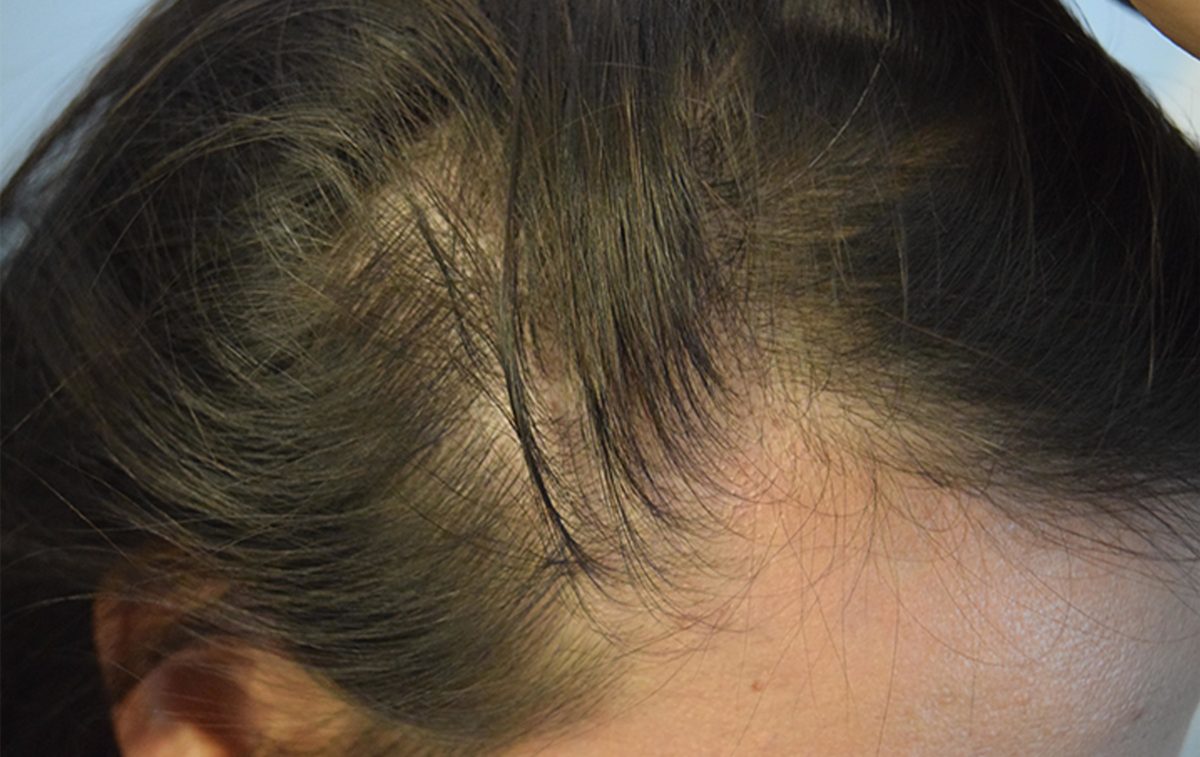
What is Female Pattern Baldness?

Like male pattern thinning, female pattern baldness is a cause for concern for women. Hair seems to be the pride of women. They love to flaunt their hair, which defines their looks and personality. Unfortunately, they are not immune to hair loss. A woman suffering from pattern baldness starts to lose hair right from their partition. Let’s divide the type of pattern thinning into three stages –

  • Grade 1 defines the stage when there is a drop in the density of the hair
  • Grade 2 exhibits moderately visible empty patches
  • Grade 3 is the stage when open spots are clearly obvious

What Causes Female Pattern Baldness

Hormonal imbalance is the primary cause of pattern baldness in men and women. If a female suffers from thyroid, PCOS, PCOD, or estrogen insufficiency, they may experience pattern thinning as well. Some women may start to experience the problem of baldness post-pregnancy. As a result, hair shedding is rapid and the hair cycle is disrupted, causing bald spots.

When hair growth is slow while hair loss is rapid, it may create a condition of diffuse hair loss, which may further become female pattern baldness. As hormones are disturbed, a woman may experience an increase in testosterone production with a drop in estrogen. This may cause DHT formation, which weakens follicles and results in hair fall.

DHT blocks androgen receptors in follicles, causing an altered hair growth cycle and hair miniaturization.

How to Treat Pattern Baldness in Women

There are many hormonal supplements available to set the disturbed hormones right. Many of the supplements block DHT formation so the body can resume its estrogen production. Include DHT-blocking foods that can help stimulate hair growth and keep a check on hair loss.

Other female pattern baldness treatments include:

  • Stem cell therapy
  • Laser therapy
  • Platelet-rich plasma therapy
  • Minoxidil, which is the only FDA-approved medicine for hair loss
  • Hair transplant

While not all women are comfortable with the idea of plasma or stem cell therapy. Some are averse to laser treatments too. As far as minoxidil is concerned, nothing happens overnight. You must continue with the treatment for a long time. Unfortunately, hair shedding resumes after you stop using the medicine.

A hair transplant can be effective in women that do not respond to other treatments or those who do not need significant cosmetic improvement.

The procedure involves removing tiny plugs of hair from the sites of thick hair growth. The patch of removed hair is transplanted in balding sites. The procedure may cause scarring in donor areas. What’s more, the risk of infection cannot be rejected either since it is a surgical procedure.

Other options

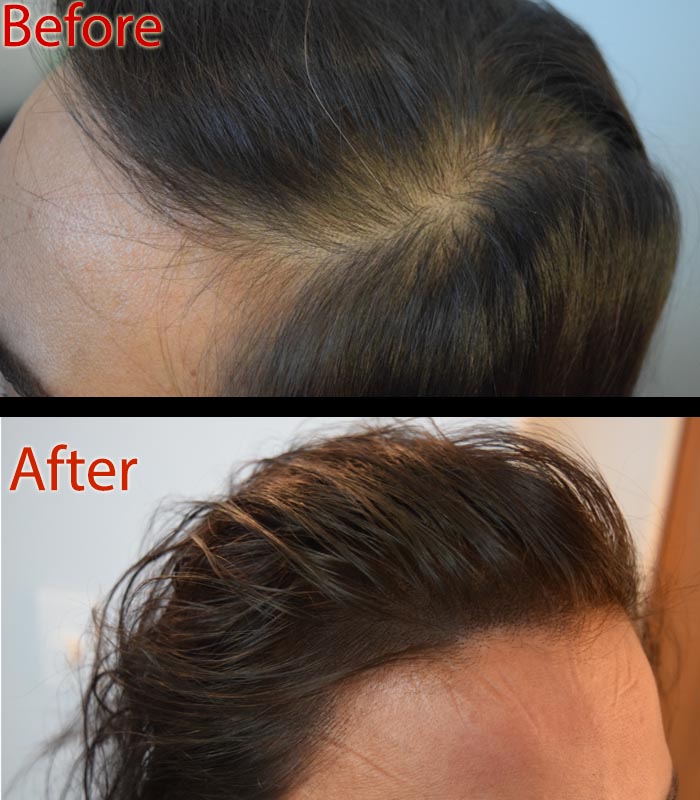
Other treatments for female pattern baldness include hairpieces that can hide hair loss but these aren’t permanent. If you seek a more permanent procedure that gives you a better appearance while hiding the scalp flaws, then you may choose scalp micropigmentation. This is a relatively safer and less expensive procedure than a hair transplant.

Contact the most skilled and experienced scalp artist in Phoenix to get the job done and get your self-esteem back. Connect with DermiMatch SMP professionals and find out if scalp micropigmentation is the right procedure for your female pattern baldness problem.